Across Europe, the sleeper train is enjoying a quiet renaissance. Once dismissed as a nostalgic relic, overnight rail services are now being rediscovered by travellers who want to link cities that would otherwise feel too far apart for a single trip. The appeal is simple: board a train in the evening, wake up in a completely different city, and skip the airport queues altogether.
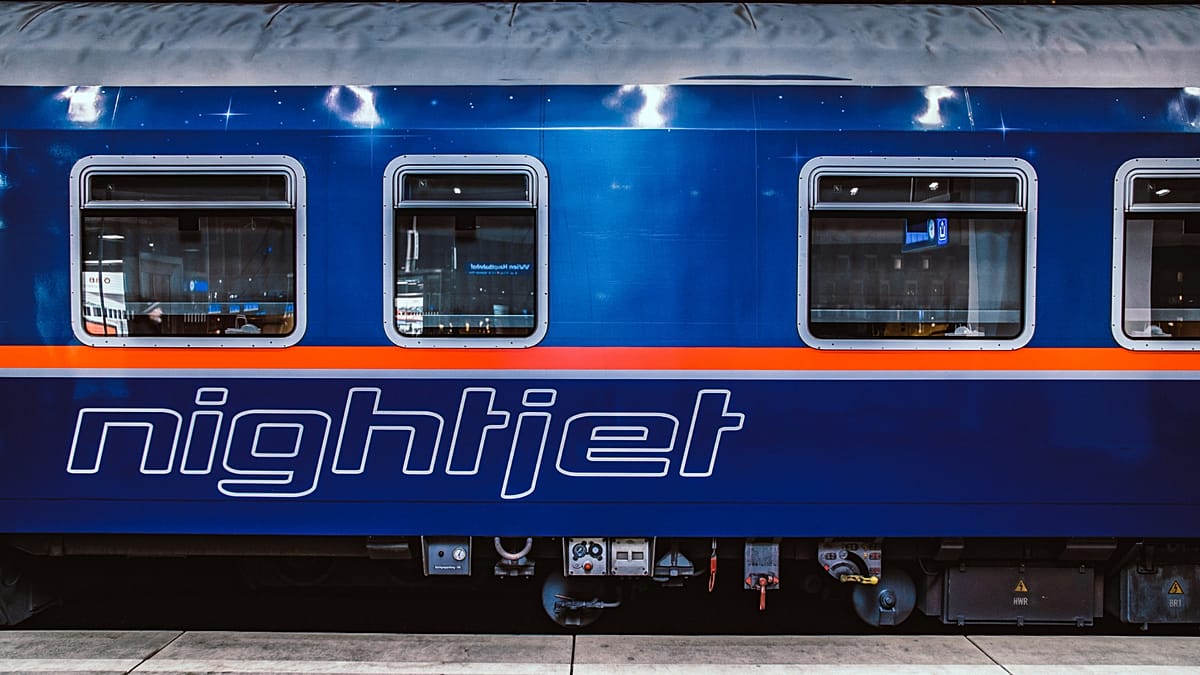
According to Omio, a digital travel booking platform, interest in sleeper trains is growing steadily. Their analysis of user searches shows the most popular corridors cluster around Berlin, Amsterdam, Prague, Paris, and Sint-Gillis. Bookings for sleeper trains have risen by 8% year-on-year, with NightJet services up 15% and EuroNight trips up 26%. But the well-trodden routes are only part of the story. For those willing to venture off the beaten track, there are some genuinely unexpected city pairings that make the journey as memorable as the destinations.
Sofia to Istanbul: a bridge between two worlds
Bulgaria's capital, Sofia, offers open-air book markets, beech forests, and the looming presence of Mount Vitosha. Istanbul, by contrast, sprawls across two continents, blending Ottoman heritage with modern energy. The Sofia–Istanbul Express covers the roughly 10-hour journey in couchette and sleeper accommodation, with a double sleeper costing €15 per person and a single sleeper €35. Tickets, however, are not available online; travellers must buy them in person at Sofia's central station or at Istanbul's Halkali station.
Berlin to Budapest: a Central European night crossing
Berlin and Budapest are nearly 900 kilometres apart, but an ÖBB Nightjet service links the two capitals in a single overnight ride. The 12-hour journey from Berlin Hbf to Budapest-Nyugati passes through Czechia and Slovakia, turning what would have been a short-haul flight into a cross-border adventure. Passengers can choose from seating, couchettes, or sleeper cabins, with a one-way sleeper ticket in September starting at €223 per person. The fare includes a prepared bed, private washing facilities, and breakfast.
Brussels to Prague: from EU corridors to medieval lanes
Brussels is the heart of European politics, while Prague offers medieval charm, provocative street art, and the Petřín Tower, often called the little sister of the Eiffel Tower. The European Sleeper connects the Belgian capital to the Czech city, with seats, compact couchettes, and sleeper cabins for up to three people. A Comfort Standard one-way fare from Bruxelles Midi to Praha hl.n. in September starts at €239.99, with the journey taking about 15 and a half hours. Breakfast is included in the Comfort Plus class, but not in the standard sleeper.
Warsaw to Vienna: green spaces and imperial grandeur
Warsaw and Vienna offer a study in contrasts. The Polish capital is known for its green spaces, including Łazienki Park with its lake and strutting peafowl. Vienna, meanwhile, dazzles with imperial architecture, grand palaces, and historic coffee houses like Café Schwarzenberg, which has been serving customers since 1861. An overnight Nightjet service from Warszawa Centralna to Wien Hbf cuts across Czechia, with the roughly 10-hour ride starting at €129.90 in a sleeper cabin in September.
Zurich to Amsterdam: from alpine lakes to canal rings
For a detour from the Swiss Alps, an overnight sleeper connects Zurich's lakeside landscapes to Amsterdam's museums and famously cycle-friendly streets. This route offers a chance to swap mountain air for canal-side strolls, all in one seamless journey.
These pairings highlight how sleeper trains are reshaping the way we think about European travel. Instead of treating each city as a standalone destination, a night train can stitch together two distinct experiences into a single, coherent trip. As the network expands and booking options improve, the possibilities for unexpected twin-city breaks are only likely to grow.