Oil prices ticked higher again on Wednesday morning as investors weighed fresh reports of shipping disruptions in the Strait of Hormuz against tentative hopes for a de-escalation of the conflict between Iran and the United States. Brent crude, the international benchmark, gained 0.2% to $91.71 a barrel, while US benchmark West Texas Intermediate rose 0.1% to $86.12 in late-morning trading.
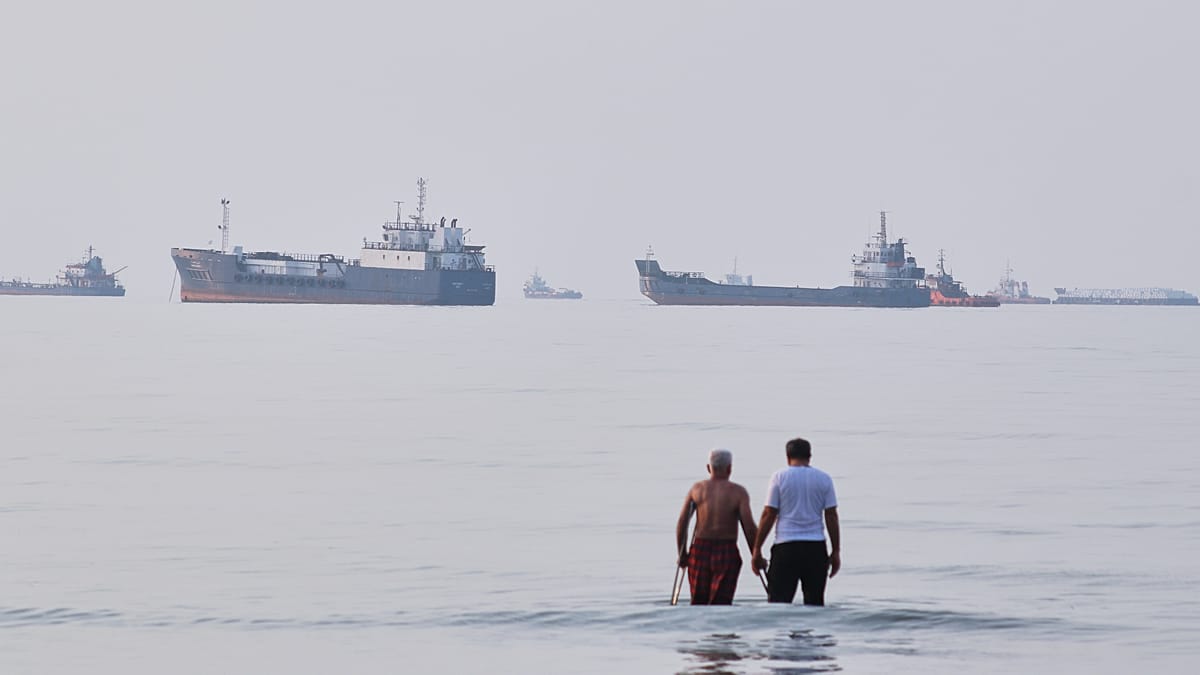
The latest spike in volatility comes after Iran's army said an oil tanker had struck a mine and caught fire in the strategic waterway, according to AFP. The Islamic Republic has restricted traffic through the strait since late February, insisting that vessels use routes authorised by Tehran. The US has responded by imposing a naval blockade on Iranian ports and helping tankers navigate the passage, which normally carries roughly one-fifth of global oil supplies.
Iran reports another tanker fire
In a statement carried by state television, Iran's naval forces said: "Early this morning, a violating oil tanker caught fire after striking a naval mine in an unsafe, prohibited area in the east of the Strait of Hormuz." This is the latest in a series of similar announcements from Tehran, which has repeatedly claimed that ships have caught fire after hitting mines in the area.
US Central Command, which oversees American military operations in the region, has been escorting ships through the waterway. Last month, it said it had helped Gulf countries export 1.5 billion barrels of oil via Hormuz since the summer. The US military has also claimed that all mines have been cleared from the strait, a statement that contrasts with Iran's reports.
On Tuesday, Iran's Islamic Revolutionary Guard Corps said three oil tankers had caught fire in Hormuz. India's shipping minister later reported that a Liberia-flagged tanker carrying Indian seafarers had been hit by a projectile in the Gulf. Sarbananda Sonowal said on X that four crew members were injured, including one Indian national who suffered minor injuries and was taken ashore for medical examination. The remaining 18 crew members, including five Indians, were safe, he added. It remains unclear whether that tanker was among those the Revolutionary Guards said had been hit.
The ongoing disruption has kept energy markets on edge, with investors closely monitoring any signs of a broader conflict that could further tighten global supply. European consumers, already grappling with elevated fuel prices, are watching developments with concern. In Portugal, for example, fuel prices have fallen sharply recently, but a tax cut has trimmed the relief for motorists, as reported earlier.
Analysts note that the situation in Hormuz is a key risk factor for oil prices, and any sustained disruption could have significant implications for European economies that rely heavily on imported energy. The standoff has also drawn international attention, with South Korea moving anti-piracy patrols closer to the strait, as noted in our coverage.
Despite the latest flare-up, some investors remain hopeful that diplomatic efforts could ease tensions. An Iranian official recently warned that the Hormuz standoff is unsustainable, hinting at possible openings for negotiation, as we reported. However, with no concrete breakthrough, the market remains sensitive to any new incidents.
For European policymakers, the crisis underscores the urgency of diversifying energy sources and reducing dependence on volatile regions. The European Union has been exploring alternatives, but the transition is slow, and the immediate impact of higher oil prices is felt across the continent, from transport costs to household bills.
As the situation evolves, investors will be watching for any signs of a de-escalation that could bring prices down. In the meantime, the Strait of Hormuz remains a flashpoint, and the global economy—particularly Europe—remains vulnerable to its disruptions.