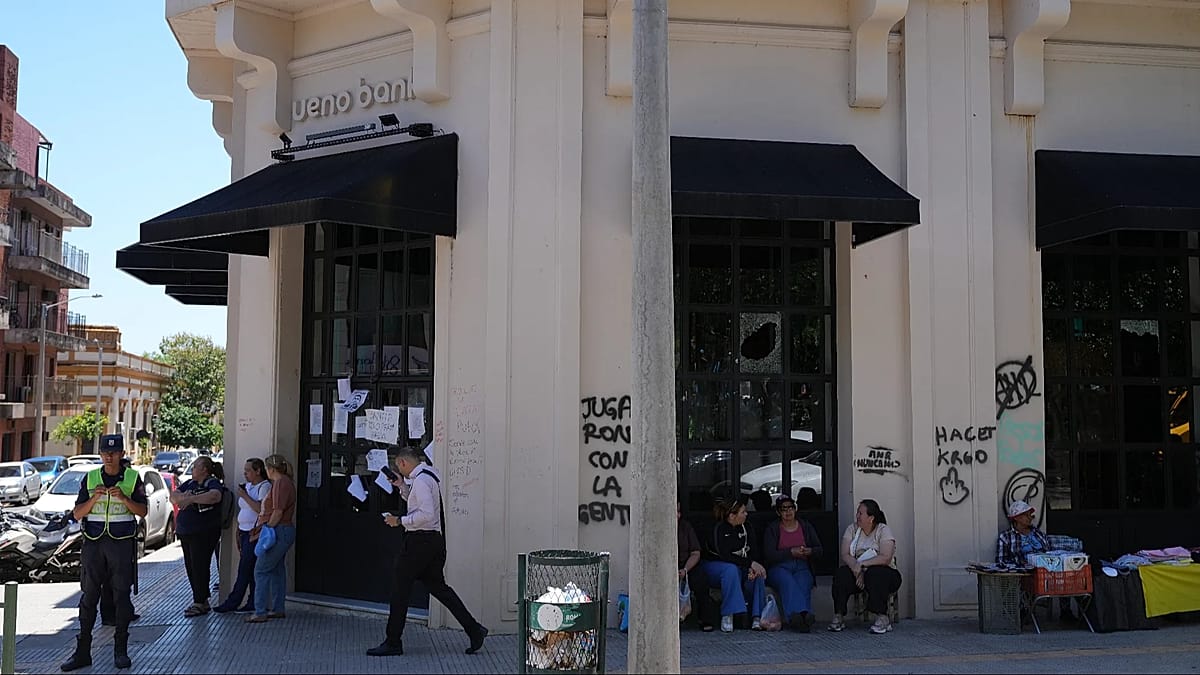
Paraguay's newly inaugurated president, Pedro Alliana, has pledged to prioritise the recovery of pension funds tied to the collapse of Ueno Bank, a crisis that has shaken the country's financial system and led to the impeachment of his predecessor. Speaking on Tuesday, Alliana said his government would spare no effort to protect citizens' savings and expedite compensation after the banking intervention.
The intervention has placed approximately $800 million (€716 million) in public funds at risk, including resources from five retirement schemes. Among the most affected institutions is the Social Security Institute (IPS), which manages pensions and part of the country's health services. The uncertainty has sparked anxiety among workers and retirees who fear for their financial security.
Partial compensation underway
Alliana, who assumed office last Friday, has moved quickly to address the fallout. According to government figures, around 1.74 million depositors have already received payments totalling $330 million through the Deposit Guarantee Fund. The administration plans to complete outstanding reimbursements by Wednesday, 11 November, as mandated by emergency legislation passed by Congress.
However, the compensation scheme has limits. The guarantee covers up to approximately $38,600 (€34,575) per depositor, while initial advances are capped at about $20,000. For many, the partial payments offer a first measure of relief after days of uncertainty. Rosario, a 45-year-old customer who asked to remain anonymous, told AFP: "At last they transferred the money I was missing."
The banking crisis has had broader economic repercussions. Labour Minister Mónica Recalde reported that up to 7,000 people have lost their jobs in companies linked to Ueno Bank across Paraguay, Mexico, Nicaragua, Argentina, and Panama. The ripple effects are being felt in communities that depended on the bank's operations.
Political fallout and transition
The crisis triggered mass demonstrations demanding both the return of deposits and the resignation of then-president Santiago Peña, who had ties to the financial institution. The political pressure culminated in Peña's removal through an impeachment trial in the Senate. Alliana, who served as vice president, took over the presidency and accelerated the compensation process.
Alliana's swift action has been seen as an attempt to restore public confidence in the government's handling of the crisis. His administration faces the daunting task of recovering the full value of the pension funds, a process that could take months or even years. Legal experts suggest that the recovery may involve complex negotiations with Ueno Bank's administrators and potential asset sales.
The situation has drawn attention beyond Paraguay's borders, as the bank's regional presence means the crisis has implications for financial stability in several Latin American countries. For Paraguay, the episode underscores the vulnerabilities in its financial oversight and the need for stronger regulatory frameworks.
As the government works to stabilise the situation, Alliana has promised transparency and accountability. "We will not rest until every citizen's savings are protected," he said in his address. The coming weeks will be critical in determining whether the new administration can deliver on its pledges and rebuild trust in Paraguay's financial system.