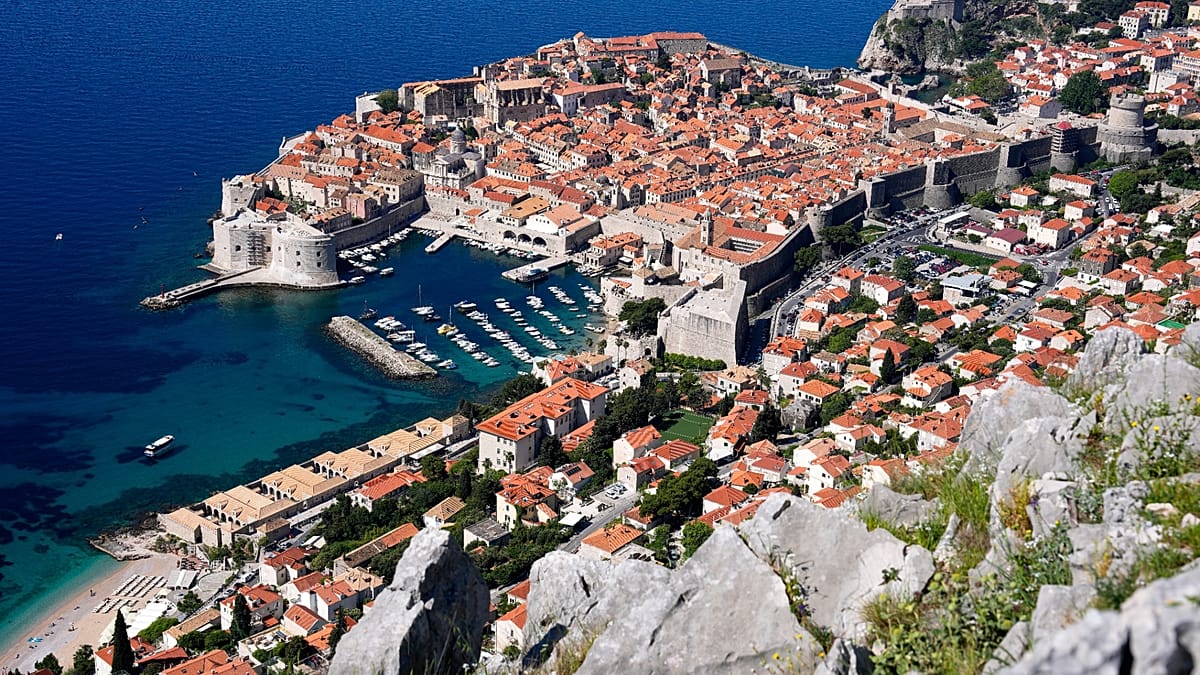
As heatwaves become more frequent across Europe, residents of the Croatian island of Rab are drawing on generations-old traditions to stay comfortable. Located in the Adriatic Sea, Rab is known for its medieval old town, where narrow stone streets and historic houses were designed to offer shade and natural ventilation long before modern air conditioning existed.
Travel guide Kristina Maskarin explains that sunbathing, as it is practised today, is a relatively recent habit. Instead, islanders have traditionally avoided direct sunlight during the hottest part of the day. Outdoor chores are done early in the morning or later in the evening, while afternoons are spent indoors or in the shade.
Architecture as a Cooling System
Many homes in Rab's old town were built to remain cool without mechanical cooling. Residents close external shutters during the day to keep heat out, then open windows at night to let cooler air circulate. The thick stone walls and narrow streets also help maintain lower temperatures, a design principle that has been used for centuries across the Mediterranean.
This approach is gaining renewed attention as Europe's coolcation trend gains momentum, with travellers seeking destinations that offer natural relief from rising temperatures. Rab's traditional methods offer a low-energy alternative to air conditioning, which is often expensive and environmentally taxing.
The island's old town is a maze of narrow alleys and stone buildings that create shade throughout the day. Many houses have thick walls and small windows, which help keep interiors cool. The use of local stone, which absorbs heat slowly, also contributes to the natural cooling effect.
Daily Rhythms Adapted to the Climate
Life on Rab has long been organised around the sun. Residents wake early to do outdoor work, then retreat indoors or to shaded courtyards during the afternoon. In the evening, they return to the streets and beaches as the temperature drops. This rhythm is not unique to Rab but is common across the Mediterranean, where siesta-like breaks are a cultural norm.
Maskarin notes that this way of life is not just about comfort but also about health. Avoiding the sun during peak hours reduces the risk of heatstroke and dehydration, which are becoming more common as heatwaves intensify. The island's approach offers a practical model for other European regions facing similar challenges.
Rab's traditional cooling methods are also part of a broader trend in European tourism, where visitors are increasingly interested in authentic, sustainable experiences. The island's sand sculpture festival and other cultural events attract tourists who appreciate the local way of life.
A Blueprint for a Hotter Europe
As climate change pushes summer temperatures higher across the continent, Rab's centuries-old strategies offer lessons for urban planners and architects. The use of natural ventilation, shade, and thermal mass in building design can reduce reliance on energy-intensive cooling systems. This is particularly relevant for historic cities across Europe, where modern retrofitting must balance preservation with comfort.
The island's example also highlights the importance of adapting daily routines to the environment. In many European cities, the traditional midday break has been replaced by continuous working hours, but Rab's approach suggests that rethinking the daily schedule could help people cope with extreme heat.
For now, Rab remains a place where the old ways still work. As Maskarin puts it, "We have always known how to live with the heat. It is not something new." The island's experience may become increasingly valuable as Europe searches for sustainable ways to adapt to a warming climate.