On the shores of Rab island in Croatia, the annual Festival of Sand Sculptures has turned a stretch of beach into an open-air gallery, with artists crafting giant representations of sea animals from sand. The event, which draws both local and international sculptors, highlights the intersection of environmental awareness and artistic expression along the Adriatic coast.
Artistic Process and Scale
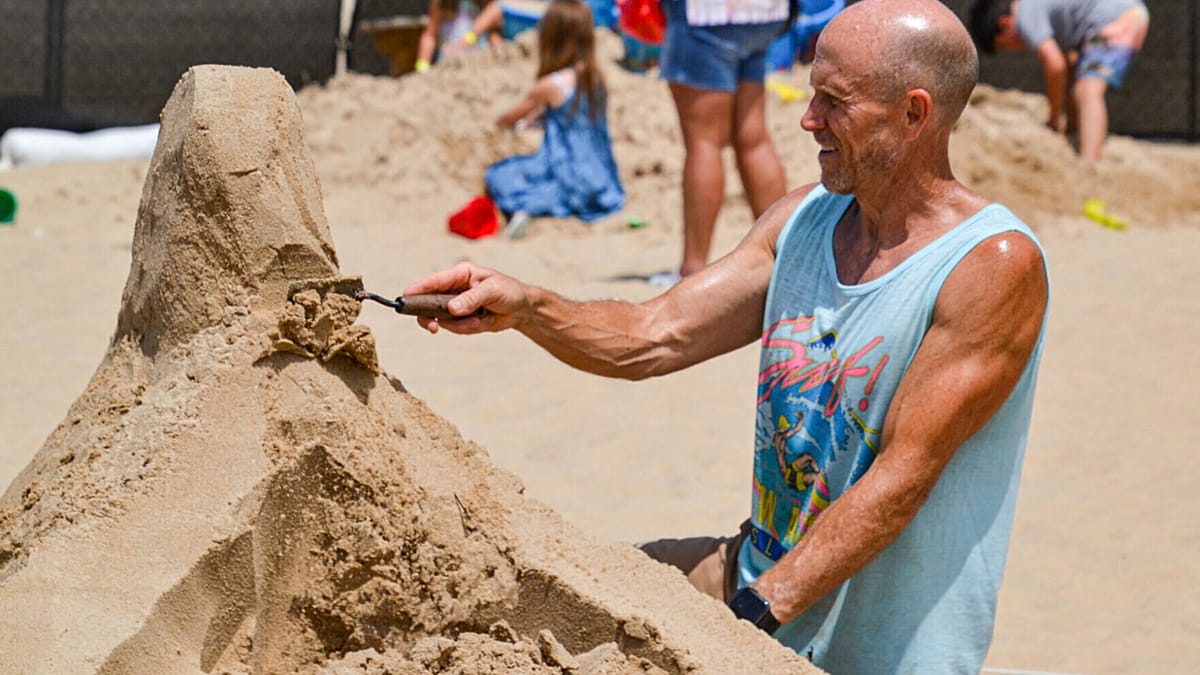
Participants work with tonnes of damp sand, using tools ranging from simple spatulas to precision carving instruments, to shape creatures such as whales, octopuses, and sea turtles. Each sculpture can take several days to complete, requiring careful attention to detail and structural stability. The temporary nature of the medium—subject to wind, rain, and tides—adds a layer of urgency to the creative process.
One artist from Zagreb explained: “Sand is a humble material, but it allows us to communicate fragility. These animals are disappearing from our seas, and our work is a reminder of what we stand to lose.” The festival’s theme this year focuses on marine biodiversity, reflecting growing concerns over pollution and overfishing in the Mediterranean.
Local and Regional Context
Rab, a small island in the Kvarner Gulf, has long been a destination for summer tourism. The festival, now in its sixth edition, aims to extend the tourist season beyond the peak months and promote cultural tourism. Local officials note that the event attracts visitors from across Europe, including Germany, Italy, and Austria, who come specifically to see the sculptures.
The initiative also ties into broader European discussions about sustainable tourism and cultural heritage. As the EU continues to debate enlargement reforms that could affect regional development funds, events like this demonstrate how small communities can leverage art to boost local economies without heavy infrastructure investment.
Environmental Undertones
Beyond aesthetics, the festival carries an environmental message. Many sculptures depict endangered species, such as the loggerhead sea turtle and the Mediterranean monk seal. Organizers collaborate with marine conservation groups to provide informational materials alongside the artworks.
In a region where climate change is altering ecosystems, the choice of marine life as a subject is deliberate. Rising sea temperatures and plastic waste threaten Adriatic biodiversity, and the festival’s organizers hope to spark conversations among the thousands of visitors who walk the beach each day.
Logistics and Visitor Experience
The exhibition is free to enter, with sculptures spread along a 500-metre stretch of sandy coastline. Viewing is best in the morning or late afternoon, when the low sun casts long shadows that accentuate the textures of the sand. Night-time illumination, using solar-powered lights, allows for evening visits and reduces the event’s carbon footprint.
Workshops for children and adults are held daily, teaching basic sand-sculpting techniques. Participants learn how to compact sand, carve details, and apply water to maintain cohesion. The festival also includes a competition for amateur sculptors, with prizes awarded in categories such as “most realistic” and “most imaginative.”
Broader Significance
While the festival is a local affair, it reflects a wider trend across Europe: the use of temporary public art to engage communities with environmental issues. Similar events occur on beaches in Portugal, France, and the Netherlands, but Rab’s edition stands out for its focus on marine life and its integration with conservation efforts.
As European policymakers grapple with the security challenges and institutional reforms that dominate headlines, cultural initiatives like this one offer a reminder of the continent’s softer power—its ability to inspire through creativity and collaboration. For visitors to Rab this summer, the sand sculptures are more than a photo opportunity; they are a call to protect the seas that surround us.