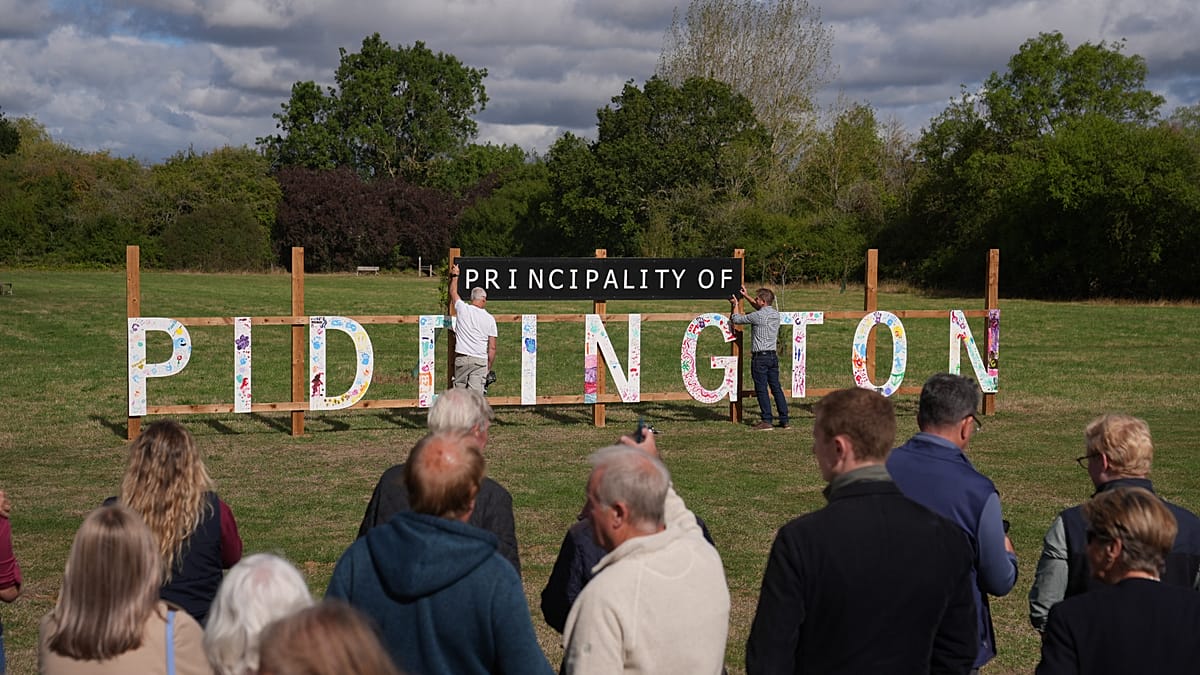
In a quiet corner of Oxfordshire, the village of Piddington has made a theatrical but pointed statement. With a population of roughly 350, the community held a non-binding referendum on whether to 'secede' from the United Kingdom. The result was emphatic: 285 of 312 ballots cast favoured self-determination, prompting residents to erect a sign declaring the area the 'Principality of Piddington'.
The vote, organised by the parish council, was inspired by the 1949 British comedy Passport to Pimlico, in which a London neighbourhood discovers it is technically outside the UK and declares independence. The stunt is a deliberate echo of that film, but the grievance behind it is entirely real.
Protest against asylum centre plans
At the heart of the protest is the government's proposal to convert a disused military base near the village into an accommodation centre for more than 1,200 single adult male asylum seekers. The facility would operate for at least a decade, according to local officials. Residents argue that the scale of the plan is disproportionate for a small rural community and that they were not adequately consulted.
Tim McNally, the parish council leader, said the vote was intended to send a clear message about the community's concerns. 'We are not against helping people in need, but the way this has been imposed on us is unacceptable,' he told local media. 'We want the government to listen and to reconsider the scale and location of this centre.'
The UK government, however, has maintained that the site will go ahead. It argues that using former military bases is a key part of its strategy to reduce reliance on hotels for asylum accommodation, a policy that has drawn criticism from across the political spectrum. Prime Minister Andy Burnham said he would 'consider the concerns raised by the community', but stopped short of promising a review.
The episode highlights a broader tension across Europe over how to manage asylum and migration. In recent years, several EU member states have faced similar local resistance to large-scale accommodation centres. The European Union has been debating a suspension of asylum rights after a surge at the Spanish enclave of Ceuta, while overall asylum applications in Europe hit a five-year low in the first half of 2026, according to recent data.
For Piddington, the vote is purely symbolic. It has no legal standing, and the village will remain part of the UK. But the residents' action has resonated beyond the parish, sparking debate about the balance between national policy and local consent. Similar protests have occurred in other parts of the country, though few have been as theatrical.
The 'Principality of Piddington' sign has become a local landmark, drawing curious visitors and media attention. Some residents have embraced the joke, while others see it as a serious expression of frustration. 'It's a bit of fun, but it's also a serious point,' said one resident, who asked not to be named. 'We feel ignored, and this was the only way to get noticed.'
The government's approach to asylum accommodation has been a contentious issue in British politics, with critics arguing that large centres are costly and inefficient, while supporters say they are more humane than hotels. The debate is unlikely to be resolved by a village referendum, but Piddington has ensured its voice is heard.
As the UK grapples with its post-Brexit migration policy, the Piddington vote serves as a reminder that local communities often bear the brunt of national decisions. Whether the government will adjust its plans remains to be seen, but the village has made its position clear.