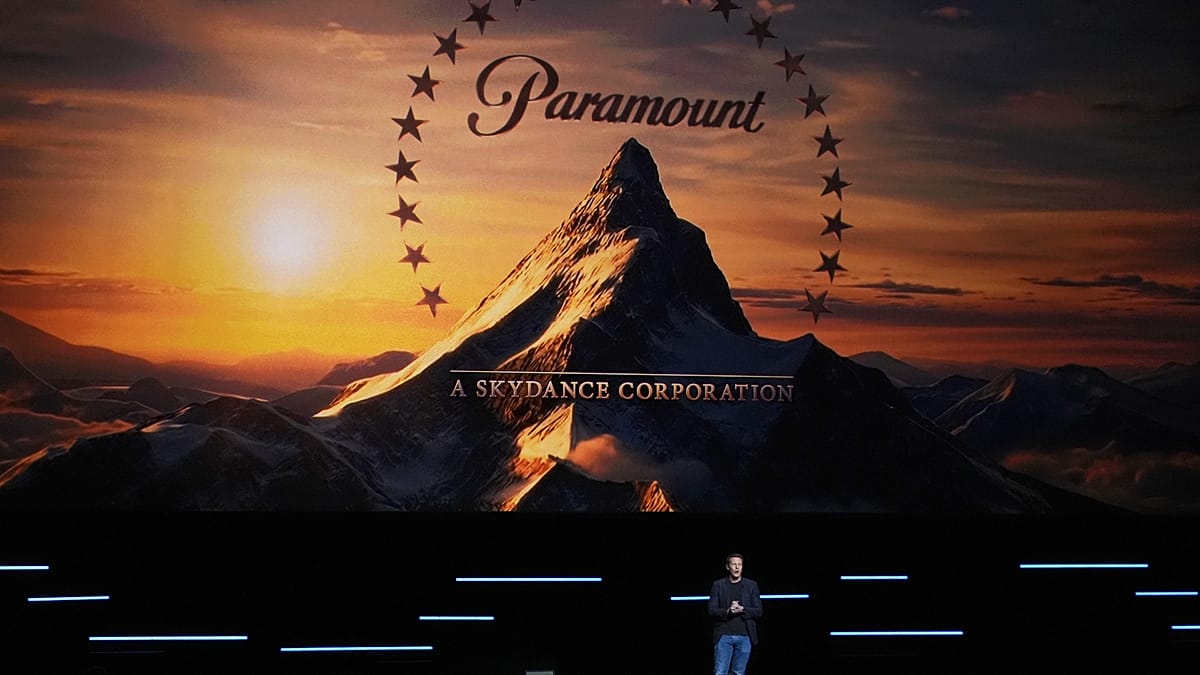
Paramount has completed its $81 billion (€72bn) acquisition of Warner Bros. Discovery, the companies announced on Tuesday, creating a new entertainment behemoth named Skydance. The merger unites two of America's oldest film studios, bringing together iconic brands such as CNN, HBO, and the Harry Potter and Godfather franchises under a single corporate roof.
The combined entity will boast nearly $70 billion (€62.5bn) in annual revenue and aims to achieve more than $6 billion (€5.4bn) in yearly cost savings within three years. David Ellison, who led Skydance's purchase of Paramount last year, will serve as chairman and CEO, while former Mattel chief Ynon Kreiz will oversee day-to-day operations and integration.
“Today is a historic day, not just for Skydance but for our entire industry,” Ellison said in a statement. The deal further consolidates an industry already dominated by a handful of major players, raising concerns about competition and creative diversity.
A hard-fought battle
The path to completion was anything but smooth. After Warner initially struck a streaming and studio deal with Netflix in December, Paramount launched a hostile counterbid. The ensuing bidding war saw Warner leadership repeatedly back Netflix as its preferred suitor, but Paramount eventually raised its offer to $31 per share, prompting Netflix to withdraw. The merger agreement was signed in late February.
The deal has drawn sharp criticism from Hollywood creatives. In April, thousands of actors, writers, and directors—including Jane Fonda, Mark Ruffalo, Denis Villeneuve, and J.J. Abrams—signed a letter opposing the merger, warning of job losses and reduced audience choice. Opposition also surfaced during awards season, with #BlockTheMerger pins and pointed speeches. Accepting her Emmy last month, Sally Field said: "We can't let those voices be silenced, or compromised or merged."
However, some prominent figures backed the deal. Tom Cruise and James Cameron voiced support for Paramount, and Ellison reaffirmed his commitment to theatrical releases—a key concern for critics of Netflix's earlier bid.
Political and regulatory hurdles
The merger faced intense political scrutiny. President Donald Trump has repeatedly attacked CNN's reporting and called for the network to be sold during the takeover battle. His administration welcomed Ellison's control, with Defense Secretary Pete Hegseth saying in March: "The sooner David Ellison takes over that network, the better."
Ellison has pledged to maintain editorial independence at CNN. As part of a settlement with 12 states, the company agreed to establish a "News Editorial Independence Board" covering CNN and CBS. However, critics point to turmoil already seen at CBS under Skydance ownership and question the board's effectiveness given Ellison's influence over appointments. Mark Thompson will remain CNN's editor-in-chief.
The scrutiny is heightened by Trump's long-standing ties to the Ellison family, although the president has continued to criticize CBS coverage under Skydance ownership.
Gulf investment raises concerns
To fund the acquisition, Paramount secured billions in financial backing from Saudi Arabia, Qatar, and the United Arab Emirates. The U.S. Federal Communications Commission (FCC) approved the company's request for substantial indirect ownership by these foreign investors. Paramount disclosed that these funds could indirectly own nearly 50% of the combined company's equity, though without voting rights. The FCC granted clearance for foreign investors to hold up to 100% of indirect equity interests, citing that access to capital would strengthen the broadcast industry and serve "the public interest."
Critics, including FCC Commissioner Anna Gomez, have called the move alarming and unprecedented, arguing that such investment opens the door to behind-the-scenes influence.
Legal challenges and settlements
Paramount cleared antitrust hurdles from regulators worldwide over the summer, including the U.S. Justice Department. But in July, Democratic attorneys general from 12 states, led by California's Rob Bonta, sued to block the merger, alleging it would "extinguish competition" and reduce consumer choice. The Writers Guild of America also filed suit. Paramount initially agreed to delay completion until next year while the challenges moved toward trial.
Settlement agreements emerged in September. The states' terms, approved by a judge, include pledges to increase U.S. film production over the next five years, invest in workforce training, and establish the editorial independence board. These settlements cleared the final legal hurdles, allowing the merger to proceed.
Skydance shares began trading on the New York Stock Exchange on Tuesday under the ticker "SKYD." Ellison also plans to merge Paramount+ and HBO Max into a single streaming service over time.
The creation of Skydance marks a seismic shift in the entertainment landscape, with implications for audiences, creators, and regulators worldwide. As the industry watches closely, the true test will be whether this mega-merger delivers on its promises of innovation and independence—or stifles the very creativity that made these studios legendary.