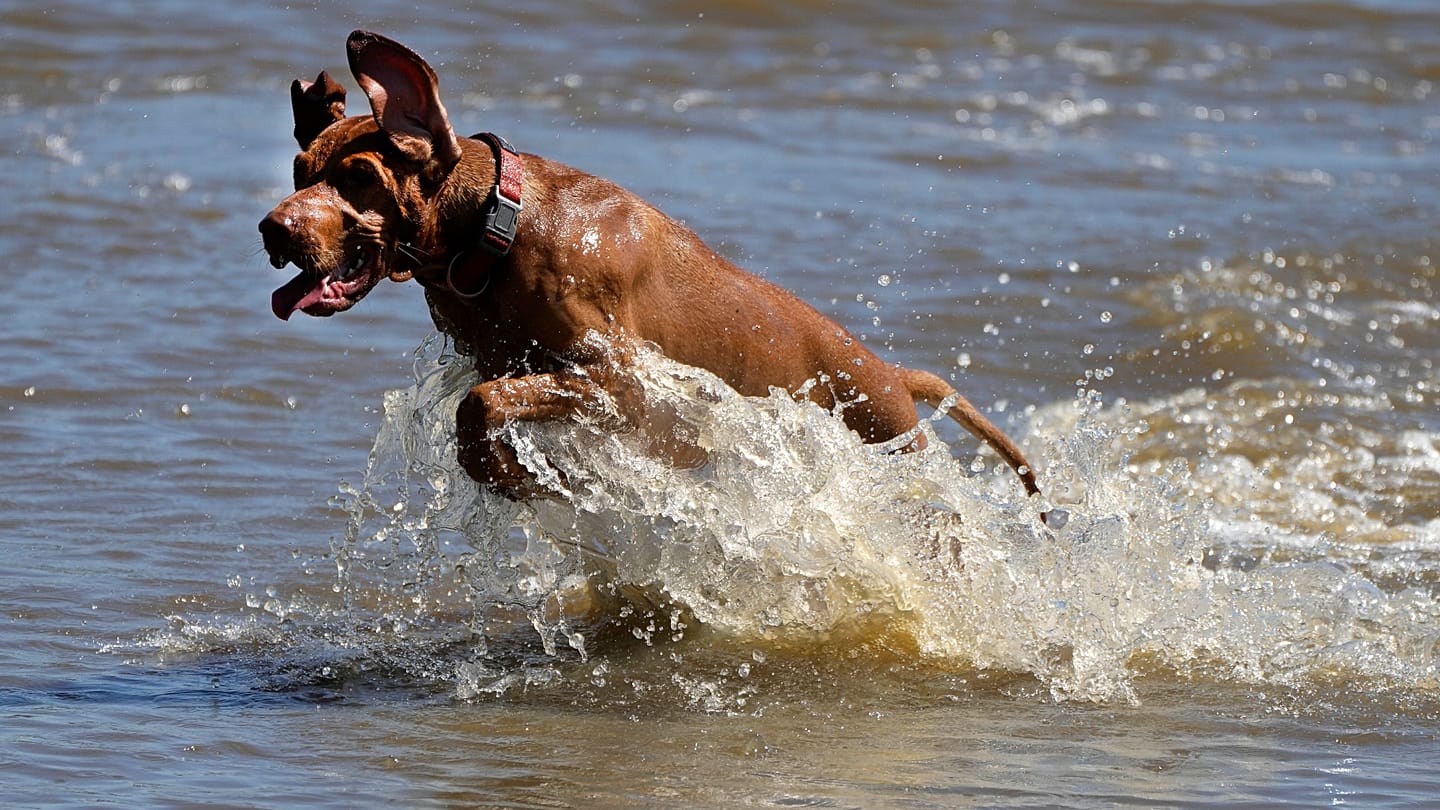
As a prolonged heatwave blankets much of France, a veterinary clinic in Paris has reported a sharp uptick in pets arriving with symptoms of overheating, including excessive panting and hyperthermia. Dr. Sophie Lefèvre, a veterinarian at the Clinique Vétérinaire des Lilas in the 11th arrondissement, told European Pulse that cases have doubled compared to the same period last year, with dogs and cats showing signs of heat stress after being left in poorly ventilated apartments or walked during peak temperatures.
“We are seeing animals that are lethargic, with elevated heart rates and body temperatures above 40°C,” Lefèvre said. “Owners often don’t realize how quickly heat can become dangerous, especially for brachycephalic breeds like bulldogs and Persian cats.” The clinic has treated several cases of severe dehydration and one instance of organ failure, which required intensive care.
Heatwave Exposes Urban Vulnerabilities
The surge in pet emergencies is part of a broader pattern of heat-related health crises across European cities. In Paris, where many apartments lack air conditioning and feature iconic zinc roofs that trap heat, residents have been forced to seek refuge in parks and public fountains. A recent report by the Copernicus Climate Change Service warned that Europe must adapt to extreme heat or face deadly consequences, a message echoed by public health officials.
The phenomenon is not limited to France. Across the continent, from Lisbon to Prague, rising temperatures are straining healthcare systems and infrastructure. In the Balkans, where summer temperatures have regularly exceeded 40°C, veterinarians in Belgrade and Zagreb have reported similar increases in pet heatstroke cases. The European Union’s Copernicus director has emphasized that adaptation measures are critical, as heatwaves are projected to become more frequent and intense.
For pet owners, the risks are compounded by urban design. In Paris, many apartment buildings lack green spaces or adequate ventilation, turning attics into ovens during heatwaves. The city’s iconic zinc roofs, while aesthetically pleasing, absorb and radiate heat, making upper-floor units particularly hazardous. This has led to a growing number of Parisians fleeing their sweltering apartments to sleep in parks, a trend that also affects pets left behind.
Economic and Social Costs
The heatwave’s impact extends beyond health. A recent study by the European Trade Union Institute (ETUI) warned that heat stress threatens 130 million workers across Europe, with low-income households and outdoor laborers hit hardest. In agriculture, farm workers in southern France and Italy face reduced productivity and increased health risks, while working mothers struggle to balance childcare and jobs in overheated homes.
The costs are also hitting household budgets. As demand for air conditioning surges, electricity prices have risen, exacerbating energy poverty. In Paris, the housing affordability crisis has made it difficult for many to afford cooling solutions, forcing them to rely on public cooling centers or simply endure the heat. This inequality is mirrored across Europe, where the most vulnerable populations bear the brunt of climate change.
For veterinarians like Lefèvre, the solution lies in prevention. She advises owners to walk pets early in the morning or late in the evening, provide constant access to water, and never leave animals in cars or unshaded balconies. “A few simple precautions can save a life,” she said. “But as heatwaves become the new normal, we need broader urban planning and public awareness campaigns to protect both people and their pets.”
The current heatwave, which has prompted red alerts in several French departments, is a stark reminder of the urgent need for climate adaptation. As European cities grapple with rising temperatures, the health of pets and humans alike hangs in the balance.