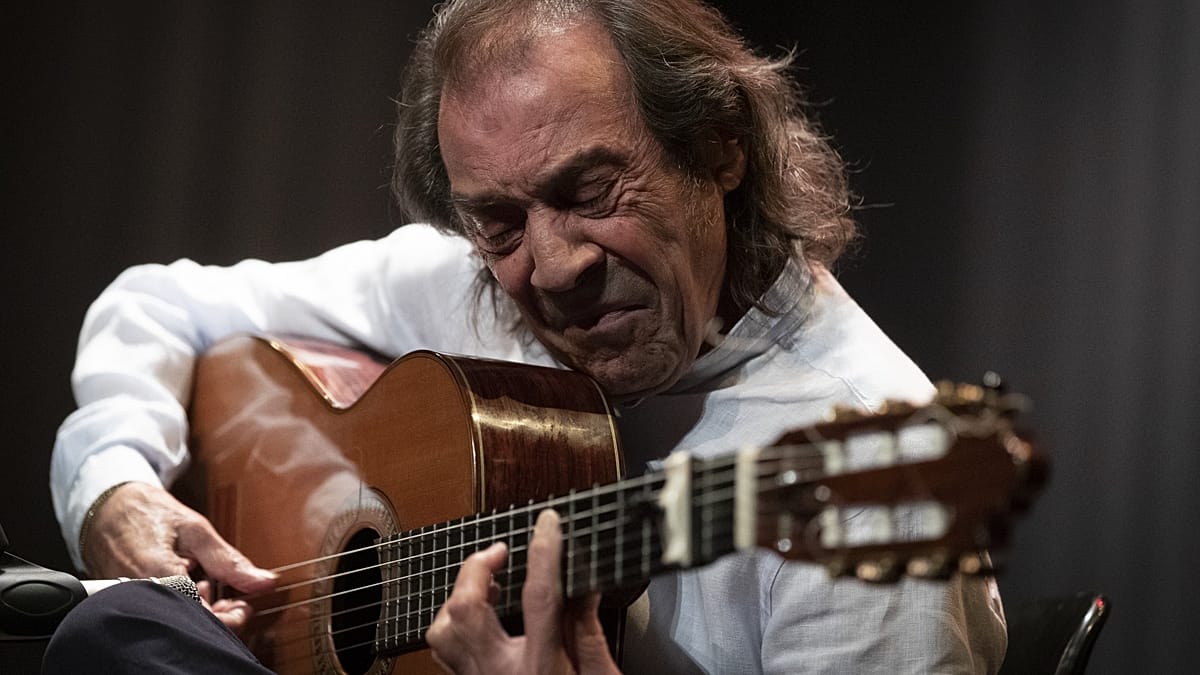
The flamenco world has lost one of its most luminous figures. Pepe Habichuela, the Granada-born guitarist whose six-decade career redefined the possibilities of the flamenco guitar, died on Tuesday in Madrid, the city he had called home for most of his adult life. He was 80.
Born José Antonio Carmona Carmona in 1944, Habichuela was the scion of the Habichuela dynasty, a family that ranks among the most storied in flamenco history. His nephew, the singer José Mercé, and his son, Josemi Carmona, co-founder of the groundbreaking group Ketama, carried the family's musical DNA into new generations. Habichuela's own journey began in the intimate peñas of Granada, but it was his move to Madrid in 1964, joining his brother Juan, that set him on a path to national and international acclaim.
A guitarist who bridged tradition and innovation
Habichuela's playing was marked by a rare blend of deep-rooted tradition and restless experimentation. He accompanied some of the most revered voices in cante, including Camarón de la Isla and Enrique Morente, with whom he forged a particularly fruitful partnership. Their collaborations, such as the 1977 album Despegando, are now considered pivotal in the renovación of flamenco, opening the genre to jazz, rock, and other global influences without ever losing its Andalusian soul.
His discography, which includes the acclaimed Homenaje a Don Antonio Chacón, stands as a testament to his versatility and his commitment to honoring the past while pushing forward. Critics and fellow musicians alike praised his ability to make the guitar sing, to evoke the duende that lies at the heart of flamenco.
In recent years, ill health forced Habichuela to step back from the stage; he gave his last public performance in the summer of 2024. His passing has prompted an outpouring of tributes from across Spain and beyond. Prime Minister Pedro Sánchez wrote on X: "Pepe Habichuela's guitar falls silent, but his music will go on sounding wherever flamenco continues to tell us who we are. Thank you for a life devoted to art and for enriching our cultural heritage."
Habichuela's honors included the Gold Medal of Merit in the Fine Arts and, earlier this year, the Grand Cross of the Civil Order of Alfonso X the Wise, one of Spain's highest cultural distinctions. These awards recognized not only his artistry but also his role as a cultural ambassador, bringing flamenco to audiences from Tokyo to New York.
His influence extended well beyond the flamenco community. The recent flamenco event in Madrid attended by Pope Leo XIV and Antonio Banderas underscored the genre's enduring cultural weight, a weight that Habichuela helped carry for decades.
As news of his death spread, musicians and fans shared memories of his warm stage presence and his uncanny ability to make each note feel both inevitable and surprising. His son Josemi, who followed him into the guitar, has spoken of the profound influence his father had on his own musical path, a legacy that will continue through Ketama and the many artists Habichuela mentored.
Pepe Habichuela is survived by his son Josemi and a vast musical family that spans continents. His recordings remain a vital part of flamenco's living archive, and his spirit will echo in every rasgueado played by those who came after him.