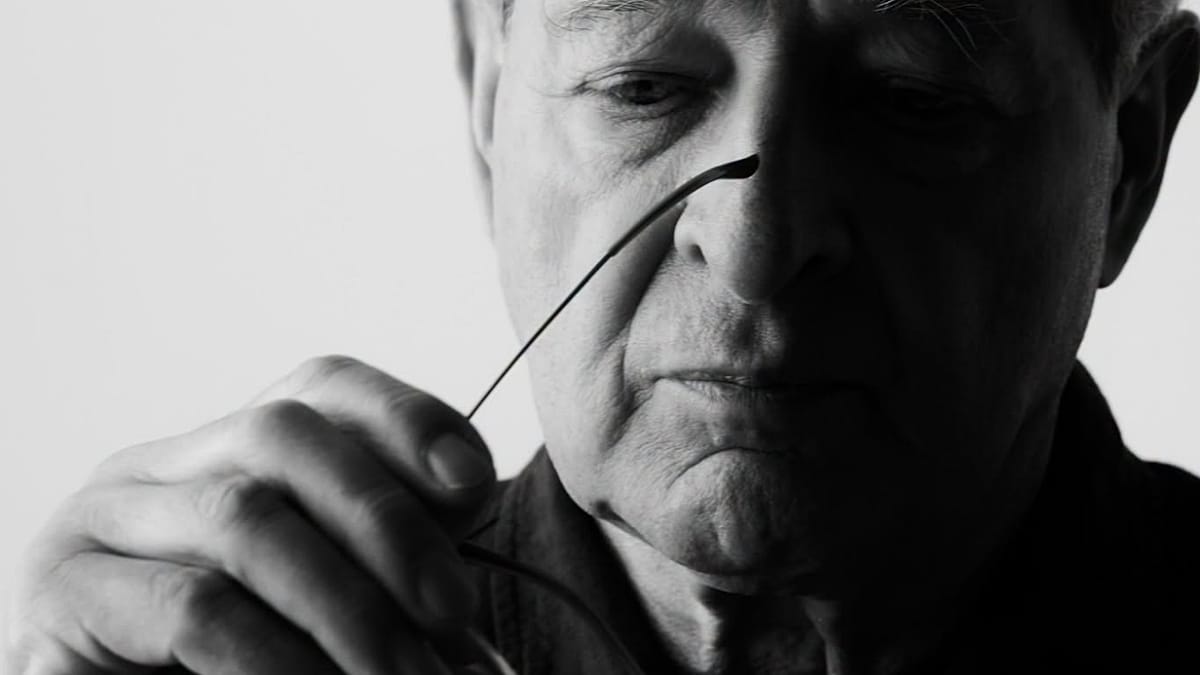
Péter Nádas, one of the most significant voices in contemporary Hungarian and European literature, died peacefully at his home in Gombosszeg on the morning of 26 August 2026. He was 83. The Kossuth and Attila József Prize-winning writer, playwright, and essayist had long been mentioned as a contender for the Nobel Prize in Literature.
Born in Budapest in 1942, Nádas began his career as a photojournalist and reporter before turning to fiction. His early experiences under communist rule and his acute observations of human behaviour shaped a body of work that earned him international acclaim. His novels, short stories, and essays have been translated into numerous languages, reaching readers far beyond Hungary.
A legacy of precise observation
Nádas's writing is distinguished by an exceptionally precise examination of personal memory, history, the body, and human relationships. He had a rare ability to render the smallest gestures and the most intimate thoughts with startling clarity, while also grappling with the grand sweep of twentieth-century European history.
His most important works include Egy családregény vége (The End of a Family Story), Emlékiratok könyve (A Book of Memories), and the monumental Párhuzamos történetek (Parallel Stories). The latter, a sprawling novel of more than 1,500 pages, weaves together multiple narratives set in Hungary and Germany, exploring the hidden connections between private lives and public events.
In his later years, Nádas published Világló részletek (Shimmering Details, Volumes 1 and 2), a work that can be read both as a memoir and as a historical reckoning. It reflects on his childhood, his family, and the turbulent decades of Hungarian history, offering a deeply personal yet universally resonant meditation on time and memory.
Nádas's influence extended beyond literature. He was a public intellectual who spoke out on political and social issues, often challenging the nationalist turn in Hungarian politics. His death marks the end of an era for Hungarian letters, but his works will continue to be read and studied for generations.
As news of his death spread, tributes poured in from writers, critics, and readers across Europe. Many noted his role as a bridge between Hungarian culture and the wider European literary tradition, a position he held with humility and distinction.
Nádas is survived by his family and a vast readership that will mourn the loss of a master storyteller. His legacy, however, is secure: his books remain a testament to the power of literature to illuminate the darkest corners of history and the human soul.