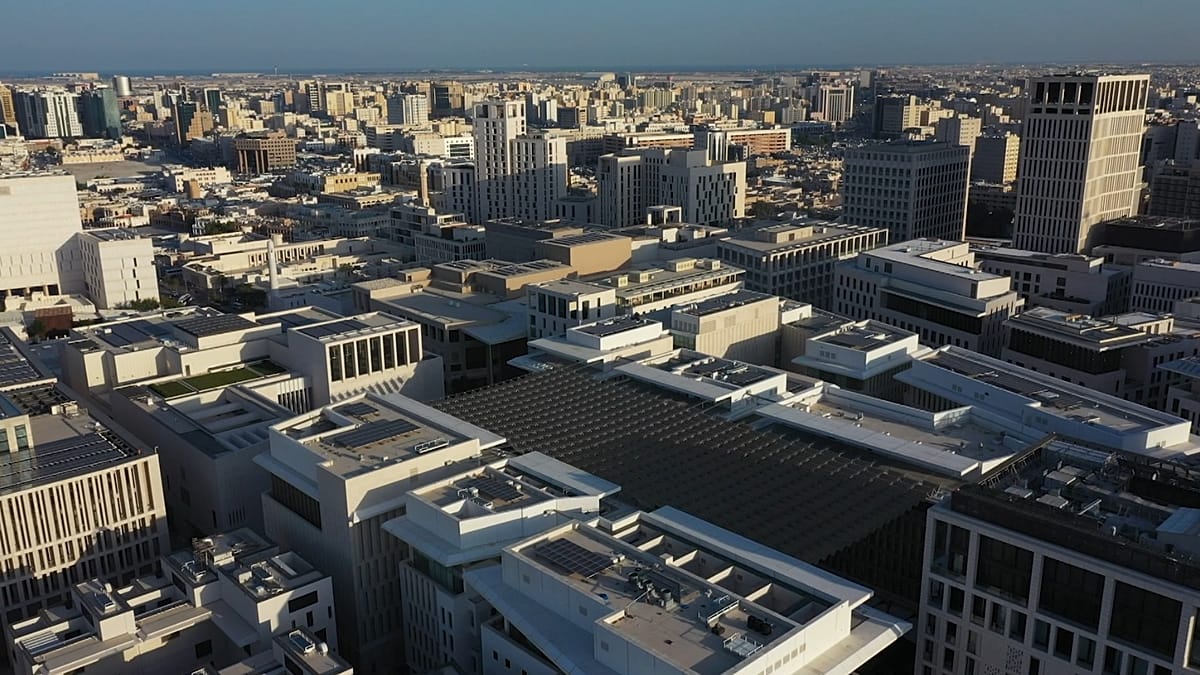
In the heart of Doha, the Msheireb district is a living archive of Qatari identity. Its buildings, textiles, and everyday objects are etched with geometric patterns that are far more than ornament. These shapes are a visual language, carrying the memory of a culture that has evolved over generations. The Msheireb Pattern Collection, now on display at the Doha Design District, traces the origins of 15 such patterns, revealing how design can anchor a sense of belonging in a rapidly modernising nation.
Geometry as a cultural code
For centuries, geometric motifs have been a hallmark of Islamic art and architecture, from the Alhambra in Granada to the mosques of Istanbul. In Qatar, these patterns are not merely decorative; they encode social, religious, and environmental narratives. The collection's curators argue that geometry in this context is a form of non-verbal communication, a way to pass down values and histories without written text. As one of the exhibition's designers put it, "These patterns are the calligraphy of space."
The Msheireb district itself is a testament to this philosophy. Designed as a sustainable urban regeneration project, it blends traditional Qatari architecture with contemporary needs. The patterns are integrated into facades, shading devices, and paving, creating a cohesive visual identity that respects the past while embracing the future. This approach resonates beyond the Gulf, echoing debates in European cities about how to preserve local character amid globalised development. For instance, cruise tourism's impact on local identity is a similar concern for many European port cities.
From desert to design district
The collection's 15 patterns were selected from a broader study of Qatari heritage, including motifs found on traditional textiles, pottery, and even the intricate gypsum carvings of old Doha houses. Each pattern has a name and a story. One, known as the "desert rose," mimics the crystalline formations found in arid soils, symbolising resilience. Another, the "date palm," reflects the agricultural heritage that sustained the peninsula for centuries. These patterns are not static; they are adapted and reimagined for modern materials and construction techniques, ensuring their relevance for future generations.
This process of reinterpretation is central to the Msheireb project. The district's architects worked with local artisans to translate traditional patterns into contemporary design, using computer-aided manufacturing and new materials like perforated metal and glass-reinforced concrete. The result is a dialogue between old and new, where a pattern that once adorned a Bedouin tent now graces a high-rise office tower. This approach has drawn interest from European designers and urban planners, who see parallels with efforts to integrate heritage into modern architecture in cities like Barcelona and Copenhagen.
Identity in a globalised world
The Msheireb Pattern Collection is more than an exhibition; it is a statement about cultural sovereignty. In an era of global homogenisation, Qatar is asserting its unique visual language. This is particularly significant as the country positions itself on the world stage, from hosting the 2022 FIFA World Cup to bidding for the 2036 Olympics. The patterns serve as a reminder that modernity does not have to erase tradition. As Qatar continues to diversify its economy, with investments in technology and energy, the preservation of cultural identity becomes a strategic asset. The country's Olympic ambitions are part of this broader narrative of national pride.
For European observers, the collection offers a case study in how to manage cultural heritage in a fast-changing world. The European Union's own initiatives, such as the EUDI Wallet for digital identity, grapple with similar questions of how to preserve distinctiveness in a digital age. While the contexts differ, the underlying challenge is the same: how to maintain a sense of belonging when the world is increasingly interconnected.
The patterns of Msheireb are not frozen relics; they are living designs that continue to evolve. As the district expands, new buildings will incorporate new interpretations of these motifs, ensuring that the visual language remains vibrant. The collection, therefore, is not an end but a beginning, a foundation for a future where identity is not lost but transformed. In a region often associated with rapid change, this commitment to cultural continuity is a powerful counter-narrative.
Ultimately, the Msheireb Pattern Collection is an invitation to look closer, to see the stories embedded in the built environment. It challenges the notion that geometry is merely decorative, arguing instead that it is a repository of memory and a tool for building community. For anyone interested in the intersection of design, culture, and urbanism, this exhibition is a compelling lesson in how the past can inform the future.