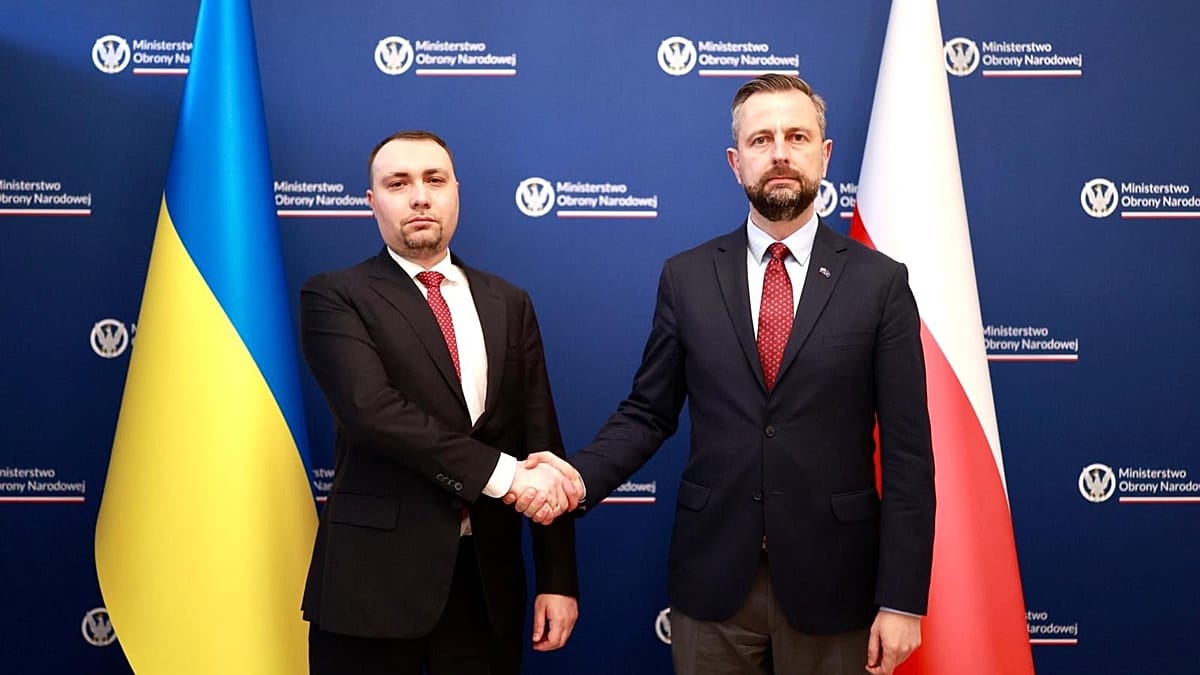
WARSAW — Polish Deputy Prime Minister and Defence Minister Władysław Kosiniak-Kamysz met with Kyrylo Budanov, head of Ukraine’s presidential office, in Warsaw on Saturday to address a growing diplomatic rift over President Volodymyr Zelenskyy’s decision to name a military unit “Heroes of the UPA.”
After the meeting, Kosiniak-Kamysz wrote on X that “Poland and Ukraine are partners when it comes to security. But when it comes to history, we must tell each other the truth.” He added: “Today, during a meeting with General Kyrylo Budanov, head of President Zelenskyy’s office, I clearly set out Poland’s expectations regarding the decision to name one of the military units after the UPA. The memory of the victims of Volhynia is not up for negotiation. There are boundaries that must not be crossed.”
At the time of publication, Kyiv had not issued a statement on the talks.
Escalating Tensions
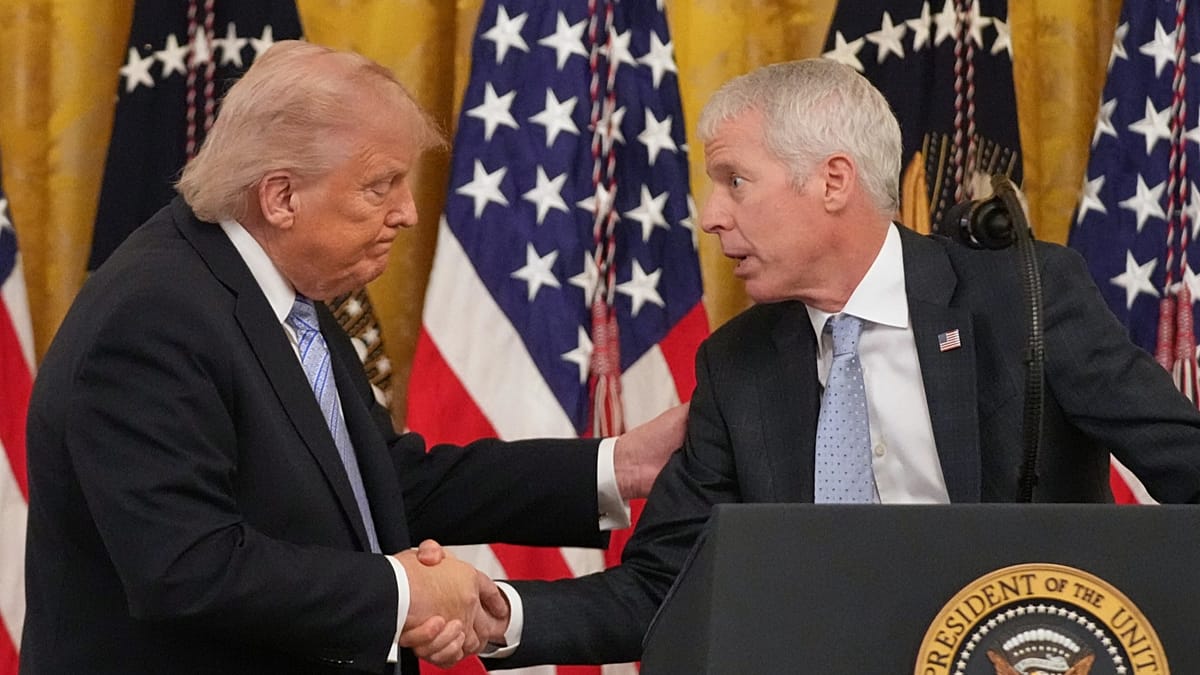
The meeting follows a decision by Polish President Karol Nawrocki to strip Zelenskyy of the Order of the White Eagle, Poland’s highest honour, which was awarded by former President Andrzej Duda in 2023. Nawrocki’s move came after Zelenskyy renamed the Independent Special Operations Centre unit, a decision Zelenskyy said aimed “to restore the historical traditions of the national army” and to recognise the unit’s role in defending Ukraine’s territorial integrity.
Polish Prime Minister Donald Tusk weighed in on Friday, calling the Ukrainian decision “unfortunate” and saying Nawrocki’s reaction was “understandable.” Tusk stated: “I suggested to the Ukrainian side that it should look for a solution. It brought this problem upon itself.” He urged both political elites to “look after each other’s sensitivities.”
Earlier this week, Ukraine’s Foreign Minister Andrii Sybiha appealed for dialogue, stressing that “an escalation of tensions between Ukraine and Poland benefits neither Ukrainians nor Poles.” He noted that for nearly two years, both sides had been rebuilding constructive dialogue, including unblocking searches and exhumations of victims. Sybiha emphasised that the unit’s naming was initiated by Ukrainian soldiers who “did not have even the slightest anti-Polish intentions.”
Historical Baggage
The Ukrainian Insurgent Army (UPA) operated between 1942 and 1949. Poland holds the UPA responsible for the genocide of Poles in Volhynia and Eastern Galicia from 1943 to 1945, with estimates from the Institute of National Remembrance (IPN) and Polish historians putting the death toll at 100,000 to 120,000. Ukrainian historians and politicians view these events as part of a two-sided wartime conflict and dispute the genocide classification, which has been confirmed by resolutions of the Polish Sejm and Senate. In Ukraine, the UPA is widely regarded as a group of heroic fighters for independence against all occupiers.
The dispute over the UPA regularly resurfaces in Polish-Ukrainian relations, complicating an otherwise strong partnership forged in the face of Russian aggression. The current row underscores how historical memory can strain even the most strategic alliances in Europe.