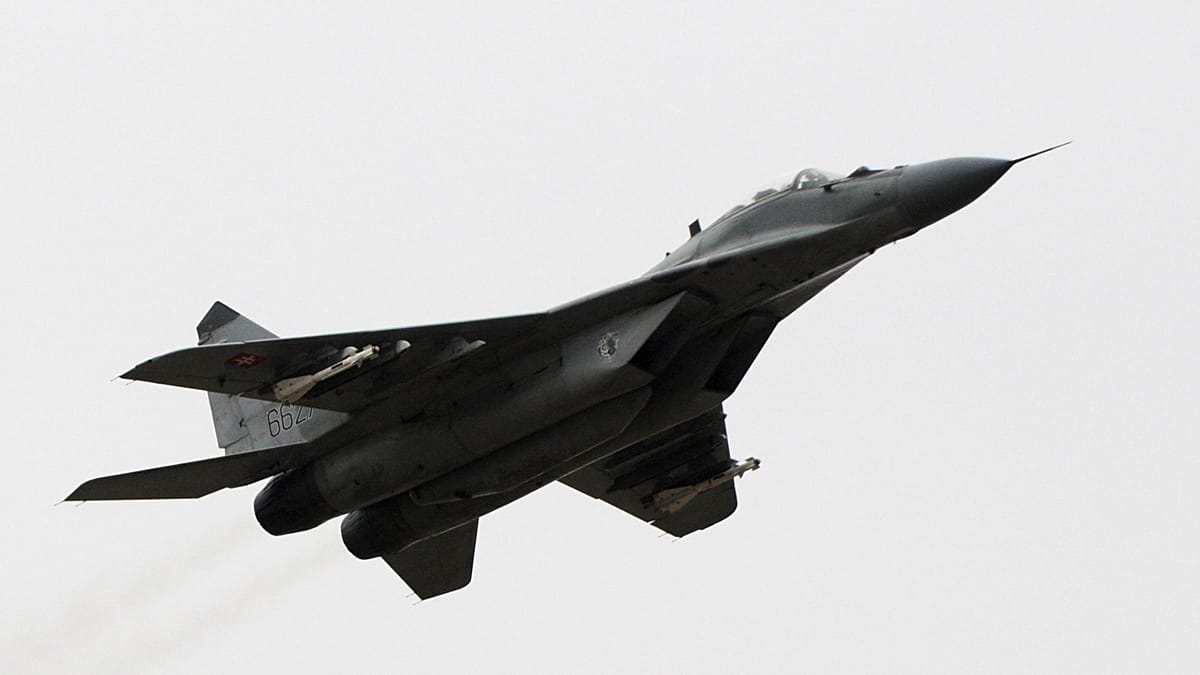
Relations between Warsaw and Kyiv have hit a new low after Polish Defence Minister Władysław Kosiniak-Kamysz accused Ukraine of reneging on a deal that would have seen Poland transfer MiG-29 fighter jets in exchange for Ukrainian drone technology and expertise. The collapse of the arrangement marks a significant setback for both countries' defence cooperation and has reignited a broader diplomatic feud.
Speaking to Polish media, Kosiniak-Kamysz described the proposed exchange as a “very fair, partnership-based approach: MiGs in exchange for drones.” He claimed that Ukrainian officials initially accepted the terms but later withdrew. “The Ukrainians initially accepted it but did not follow through, so there are no MiGs for Ukraine because there are no drones or drone capabilities for Poland,” he said.
The Polish minister acknowledged that Ukraine possesses advanced military drone capabilities and extensive operational experience, which it could have shared with allies. “They're really very good at it. They agreed to do this, but later withdrew from those arrangements,” he added. Kyiv has not yet commented on the allegations.
Background of the MiG-29 Transfers
Poland was the first country to supply Ukraine with fighter jets after Russia's full-scale invasion in 2022, transferring 14 MiG-29s that year. In January, Warsaw approved the transfer of nine additional MiG-29s—aircraft that Poland had planned to retire as it transitions to US-designed F-16s and F-35s. It remains unclear whether the jets involved in the latest deal were among those already phased out.
In April, Ukrainian President Volodymyr Zelenskyy announced that Ukraine would open its arms exports to global markets, specifically targeting countries that have supported Kyiv. The exports would take the form of “Drone Deals”—agreements covering production, supply of drones, missiles, ammunition, and other weaponry, as well as the provision of Ukrainian expertise and technological exchange. Around the same time, Polish Prime Minister Donald Tusk announced a project to build a modern drone fleet with Ukrainian technical know-how. “Polish drone fleet will be supported by the technical expertise and know-how of our Ukrainian friends,” Tusk said at the time.
The collapse of the deal suggests that those plans have stalled, raising questions about the future of bilateral defence cooperation. The broader context of deteriorating ties between the two neighbours is also casting a shadow over Ukraine's European integration ambitions.
Diplomatic Spillover into EU Accession
Kosiniak-Kamysz did not directly link the failed drone deal to the ongoing diplomatic spat, but he did use the opportunity to criticise Ukraine's decision to name a military unit after the World War II-era Ukrainian Insurgent Army (UPA). In Ukraine, the UPA is widely commemorated for its role in resisting Soviet rule and fighting for independence. In Poland, however, the group is primarily associated with the Volyn tragedy of 1943–1945, during which tens of thousands of Poles were killed in what is now western Ukraine, then under Nazi occupation. The violence also claimed thousands of Ukrainian lives in retaliatory attacks by Polish forces.
Zelenskyy's decision to honour the UPA was met with broad condemnation in Poland. President Karol Nawrocki stripped Zelenskyy of Poland's highest honour, the Order of the White Eagle. In response, Zelenskyy returned the award to Warsaw and skipped the Ukraine Recovery Conference held in Gdańsk last week.
Commenting on the dispute, Kosiniak-Kamysz warned that Ukraine would face significant difficulties in joining the European Union if it continues to venerate groups such as the UPA and the Organisation of Ukrainian Nationalists (OUN). His remarks echo those of other Polish officials who have linked Ukraine's EU accession prospects to a resolution of historical grievances. For more on the broader EU accession dynamics, see Why Hungary's New PM Péter Magyar Hesitates on Ukraine's EU Path.
The Polish minister's comments also come amid a wider European push to bolster defence capabilities, including drone technology. The UK, for instance, recently announced an £80 billion defence plan with a focus on drones and AI, as reported in Starmer Unveils £80 Billion Defence Plan with Drone and AI Focus. The failure of the Poland-Ukraine deal may prompt other European nations to reconsider their own technology-sharing arrangements with Kyiv.
As the diplomatic rift widens, the question of whether Poland will continue to support Ukraine's EU bid remains open. With Warsaw holding significant sway in Brussels, the dispute could complicate Kyiv's path to membership. The coming weeks will likely see further exchanges between the two capitals, as both sides seek to manage the fallout from a deal that never was.