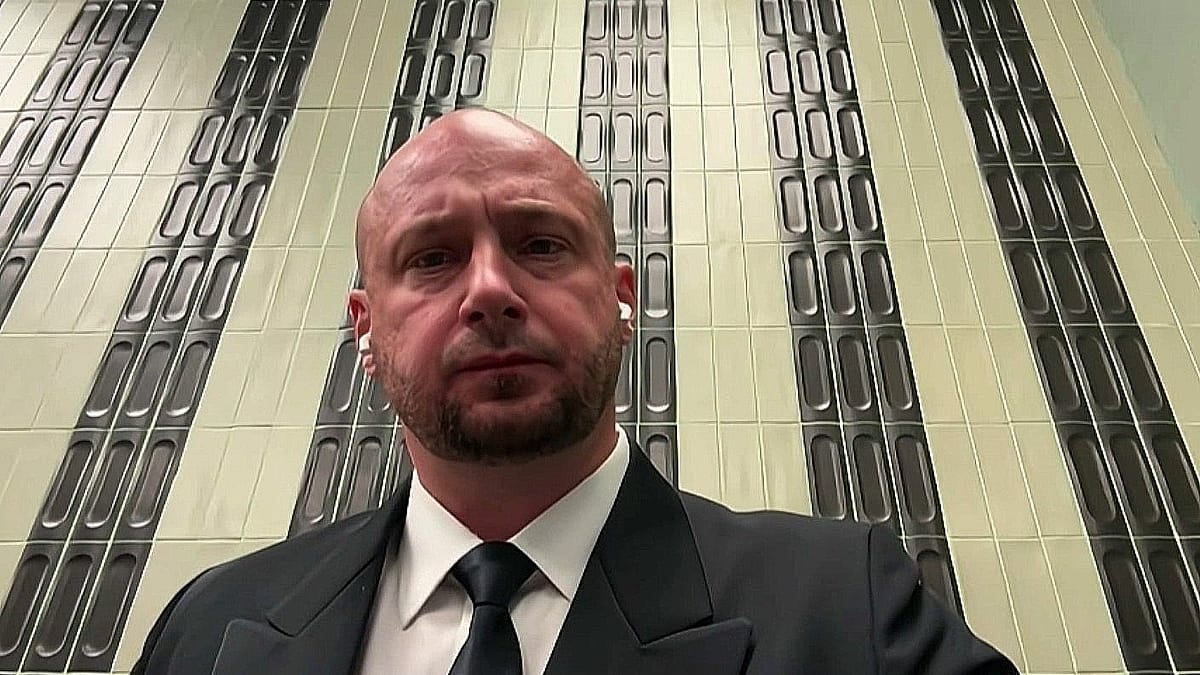
The weekend's deadly shooting in Krakow has reignited a continent-wide debate about the role of digital platforms in political extremism. Jacek Siewiera, a former head of Poland's National Security Council and now an adviser to the European Commission's PreparEU initiative, argues that social media's "malicious influence" is a decisive factor in pushing individuals toward violence.
Speaking to European Pulse, Siewiera described the current climate as "a world of increasing risks and threats," pointing to the attack as a stark reminder that no member state is immune. Polish investigators have indicated that the suspect may have been influenced by far-right ideology, though the investigation remains ongoing.
A broader European pattern
Siewiera stressed that radicalisation is not confined to any single political fringe. "Every type of radicalism poses a risk of radicalisation," he said, "and that radicalisation might become dangerous for the society." His warning echoes concerns raised across the EU, from Berlin to Paris, where authorities have grappled with online recruitment by extremist groups of various stripes.
The former security official's remarks come as Brussels pushes forward with the EU KIDS Act, which extends digital duties beyond social media to app stores and messaging services. The legislation aims to create a safer online environment for minors, but Siewiera suggests the problem is broader, affecting adults as well.
In recent months, several European countries have experimented with different approaches to curbing harmful content. Some have floated bans on certain platforms for younger users, while others have sought to work with tech companies. Yet as Europe's social media dilemma shows, bans often falter, and alternative platforms are emerging to fill the void.
Siewiera's focus on social media's "critical role" aligns with research from European universities that links algorithmic amplification to increased polarisation. He argues that platforms must be held accountable for the spread of extremist material, but also warns that overregulation could drive radicals to darker corners of the web.
The Krakow attack has also prompted discussions about security cooperation among EU member states. Siewiera, who previously oversaw Poland's national security apparatus, called for stronger intelligence-sharing and joint efforts to counter online radicalisation. "We need a European response," he said, "because the threat does not respect borders."
Poland, like many of its neighbours, has seen a rise in far-right activity in recent years, often fuelled by online conspiracy theories and disinformation. The country's government has pledged to review its counter-radicalisation strategies, but experts like Siewiera argue that a piecemeal approach will not suffice.
As the EU prepares to implement new digital regulations, the debate over how to balance security and freedom of expression is likely to intensify. Siewiera's warning serves as a reminder that the stakes are high, and that the next attack could occur anywhere in the Union.