Polish authorities are on high alert after a wave of online threats and two violent incidents at schools in the Mazovia region this week. Police have detained a 17-year-old suspected of creating a video that warned of a so-called 'Bloody Friday' attack on schools, and are boosting patrols around educational institutions across the country.
The panic began on Thursday when social media platforms were flooded with screenshots and recordings warning of planned attacks on Friday, 9 October. The messages, which spread rapidly among pupils and parents, referenced a 'massacre in Przasnysz' and urged people to stay away from schools. The threats followed a series of serious incidents in the region, including a knife attack at a vocational school in Ostrołęka on Wednesday, in which a 19-year-old injured nine people, and another attack the next day in Leszczydole-Nowinach, where a 15-year-old former pupil killed a 37-year-old school employee and injured two others.
Police response and increased patrols
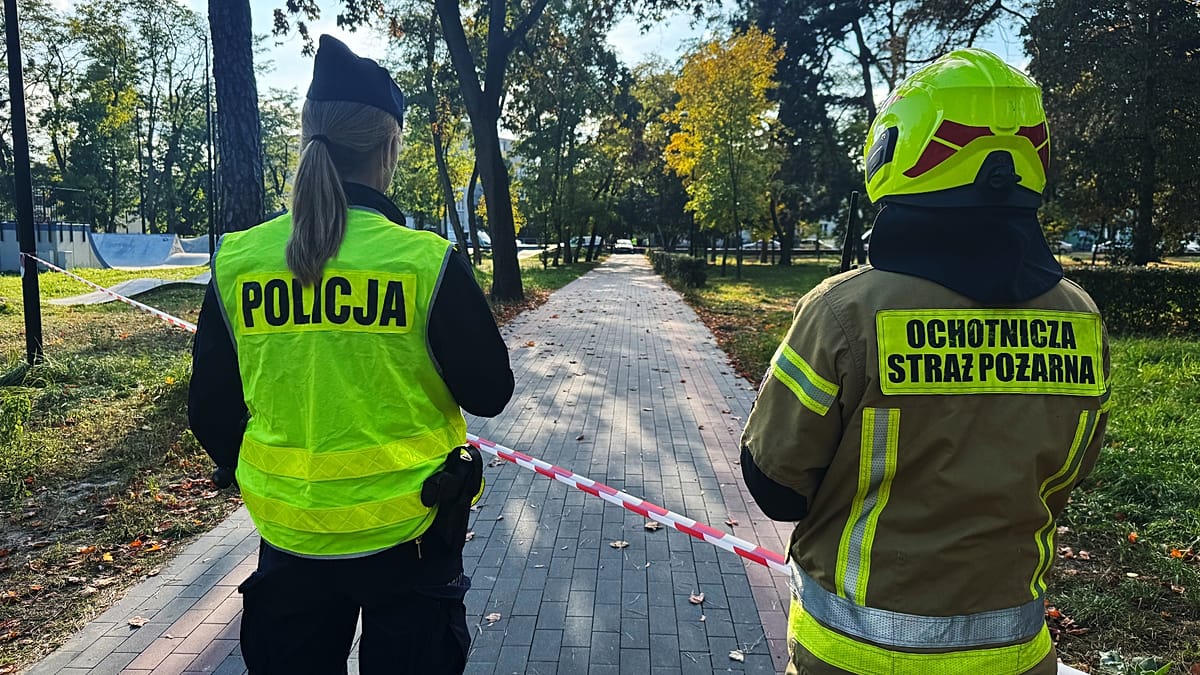
In response to the mounting concern, National Police Commander-in-Chief Marek Boroń announced reinforced preventive measures. Officers will be present around schools from Friday morning, working with principals, teachers, and local authorities to ensure safety. 'The police will do everything to ensure these schools are secure,' Boroń told Polish media. He added that patrols had already appeared near school premises on Thursday and were in contact with school representatives.
Boroń also appealed to pupils and parents to report any credible suspicions of planned violence to teachers or law enforcement directly. He noted that the number of reports about potential threats has risen sharply since the Ostrołęka attack, and urged caution in spreading unverified information online.
Detention of a 17-year-old in Przasnysz
The video that triggered much of the panic was traced to a 17-year-old resident of Przasnysz county. Mazovian police confirmed the detention, stating: 'Officers detained a 17-year-old resident of Przasnysz county, who is the probable author of the video circulating online. Activities with the man are under way.'
In a separate case, police in Sierpc detained another 17-year-old who had allegedly stated an intention to hurt someone at school. Two knives were found on the teenager, and his detention was aided by pupils and teachers who reported his behaviour to authorities.
School closures and community impact
As a precaution, primary schools in the Wyszków municipality, where the fatal attack occurred, will remain closed on Friday. The decision was made in light of the attacks and ongoing safety concerns. The incident in Leszczydole-Nowinach, a village near Wyszków, involved a former student who attacked a caretaker, the principal, and a teacher with a sharp tool. The 37-year-old employee died from their injuries, while the other two victims were treated in hospital.
The attacks have reignited debates about school safety and mental health support for young people in Poland. Local authorities and educational experts are calling for increased investment in psychological services and violence prevention programmes. The police have also emphasised the importance of responsible social media use, warning that spreading unverified threats can cause unnecessary panic and divert resources from genuine emergencies.
This week's events come amid broader concerns about security in European schools. In a related development, the Ostrołęka stabbing has drawn attention to the challenges of identifying and supporting at-risk youth. Meanwhile, the response to the threats highlights the delicate balance between ensuring public safety and avoiding overreaction to online rumours.
As Polish schools reopen on Monday, authorities are expected to maintain a visible police presence and continue investigating the origins of the threats. The 17-year-old detained in Przasnysz faces potential charges related to public incitement and causing a security alert. The case has also prompted discussions about the legal framework for dealing with online threats and the need for better digital literacy among young people.
For now, the immediate crisis appears to have been contained, but the psychological impact on pupils, parents, and teachers in the affected communities is likely to linger. The Polish government has pledged to review security protocols in schools and to provide additional support to those affected by the violence.