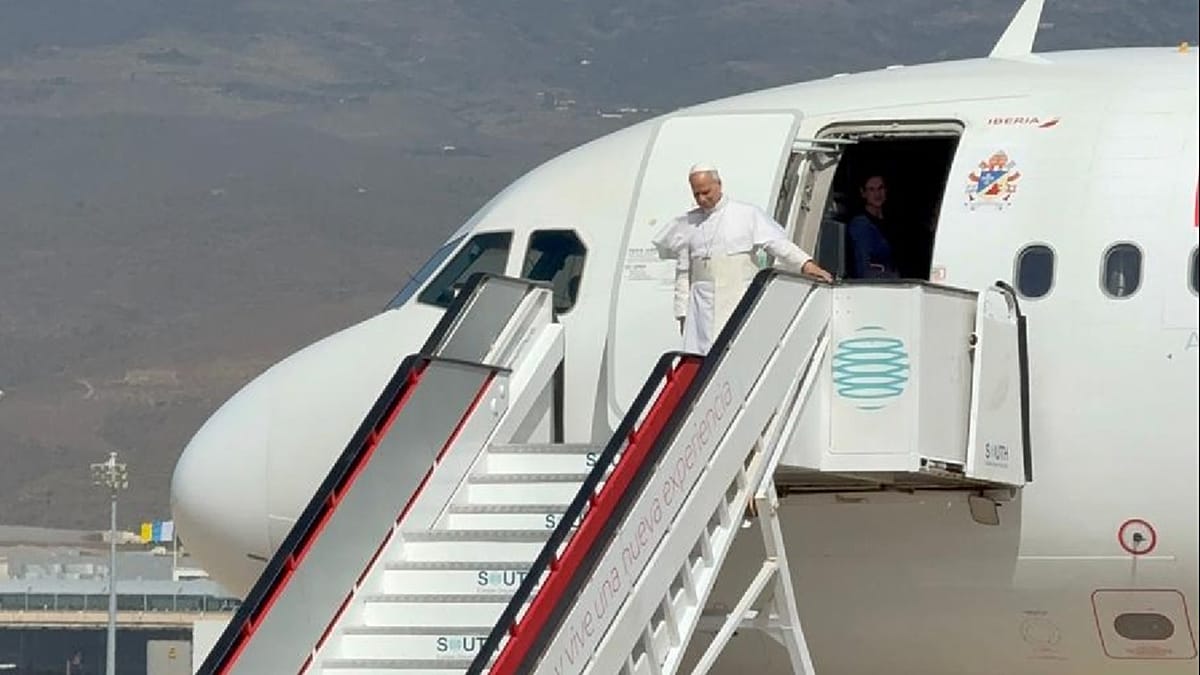
Pope Leo XIV landed at Gando Air Base on Gran Canaria on Thursday morning, beginning the third stage of his Spanish itinerary with a tightly scheduled programme that places migration at its centre. The pontiff was greeted by Prime Minister Pedro Sánchez, alongside regional and local officials, shortly before 10:40 local time. Strong winds forced last-minute adjustments to the arrival protocol.
From the air base, Leo XIV travelled directly to the harbour of Arguineguín, a small fishing port on the island's south-west coast that has become a key landing point for migrants arriving from West Africa. There, he met with recently arrived migrants, as well as staff and volunteers from humanitarian organisations working on the front line of reception and care. The encounter was deliberately low-key, with no public speeches, but the pontiff spent time listening to individual stories and offering personal blessings.
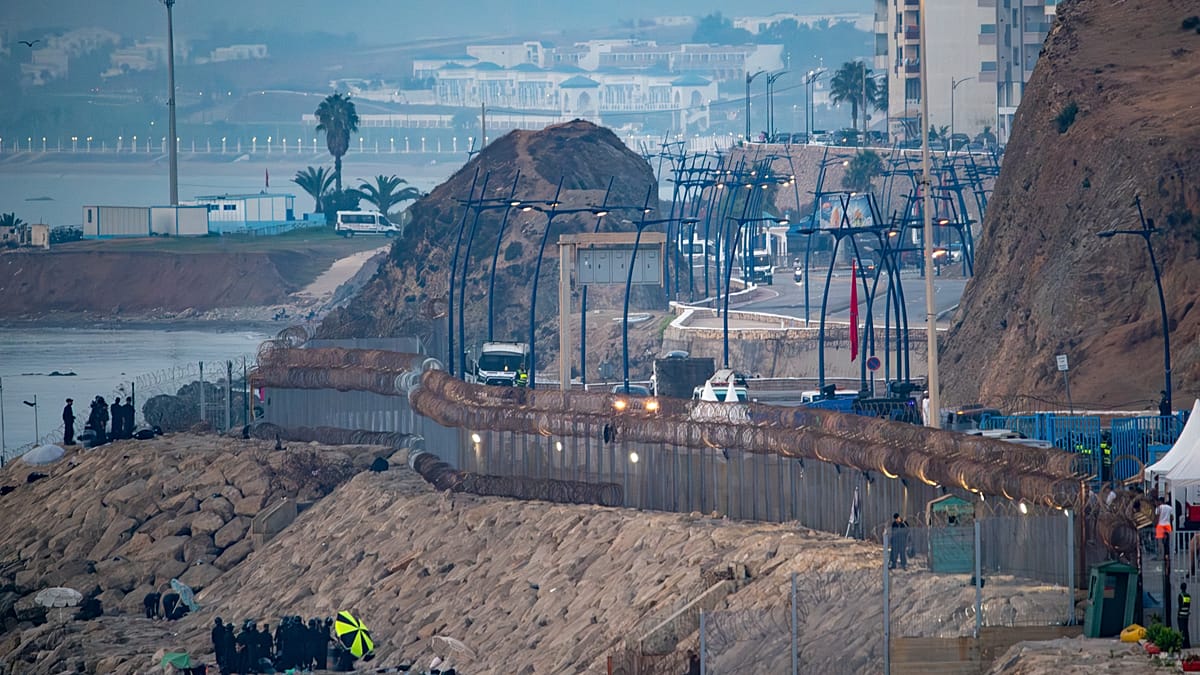
The visit to Arguineguín underscores the Vatican's growing emphasis on migration as a defining moral issue for Europe. The Canary Islands have seen a sharp increase in irregular arrivals in recent years, with more than 40,000 people reaching the archipelago in 2024 alone, according to Spanish authorities. Many of those making the perilous Atlantic crossing come from Senegal, Mauritania, and Mali. The pope's presence in this specific location sends a clear signal about the Church's commitment to the dignity of migrants, even as EU member states debate stricter border controls.
Later in the afternoon, Leo XIV travelled to Las Palmas de Gran Canaria, the island's capital, where he visited the Cathedral of Santa Ana. During the visit, city officials presented him with the Gold Key of the city, a traditional honour reserved for distinguished guests. The pontiff also met with local clergy and civil society leaders to discuss the social challenges facing the islands, including housing shortages and the integration of newcomers.
The day's main public event was an open-air mass at the Gran Canaria Stadium, which organisers expected to draw around 40,000 attendees. The service, conducted in Spanish and Latin, included prayers for migrants and for peace in conflict zones around the world. In his homily, Leo XIV called on Europeans to resist the temptation of indifference and to see migration not as a crisis but as an opportunity for solidarity. “Every person who arrives on these shores carries a story, a hope, and a right to be welcomed,” he said, according to Vatican Radio.
A Broader European Context
The pope's visit comes at a time when migration policy remains deeply divisive across the continent. While Spain has generally maintained a humanitarian approach, other member states have moved in the opposite direction. Sweden, for instance, recently raised the deportation age for teen migrants to 21, a policy shift that reflects a broader tightening of asylum rules in Northern Europe. The contrast highlights the lack of a unified European response to what is, by its nature, a transnational phenomenon.
Leo XIV's itinerary also reflects a deliberate strategy of engaging with Europe's peripheral regions. By choosing the Canary Islands—geographically closer to Africa than to Madrid—the pontiff is drawing attention to the external borders of the European Union, where the human realities of migration are most visible. The islands have long been a gateway for African migrants, but the numbers have surged since border controls were tightened in the central Mediterranean. This has put enormous strain on local reception facilities, many of which are operating well beyond capacity.
On Friday, the pope will continue his journey to Tenerife, the largest of the Canary Islands, where he is scheduled to visit a migrant reception centre and meet with young people. The two-day visit to the archipelago is part of a longer Spanish tour that has already taken him to Madrid and Seville. It is his first papal visit to Spain since his election in 2023.
The choice of the Canary Islands as a venue for a major papal mass also carries symbolic weight. The islands are a popular tourist destination, but the pope's focus on migration reminds visitors and locals alike of the less visible realities that coexist with the beach resorts. As Europe grapples with overtourism in historic cities, the Canary Islands offer a different kind of lesson: that the same shores that attract holidaymakers also receive those fleeing hardship. The pope's message, delivered to tens of thousands under the Atlantic sky, was that Europe cannot afford to look away.