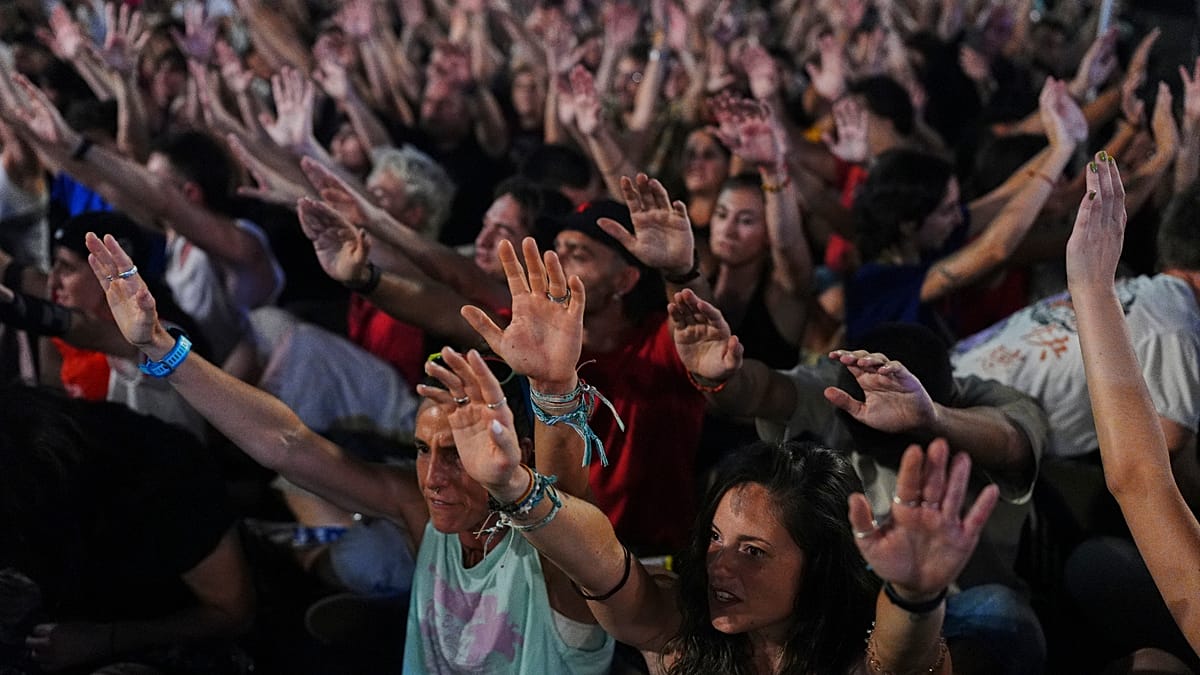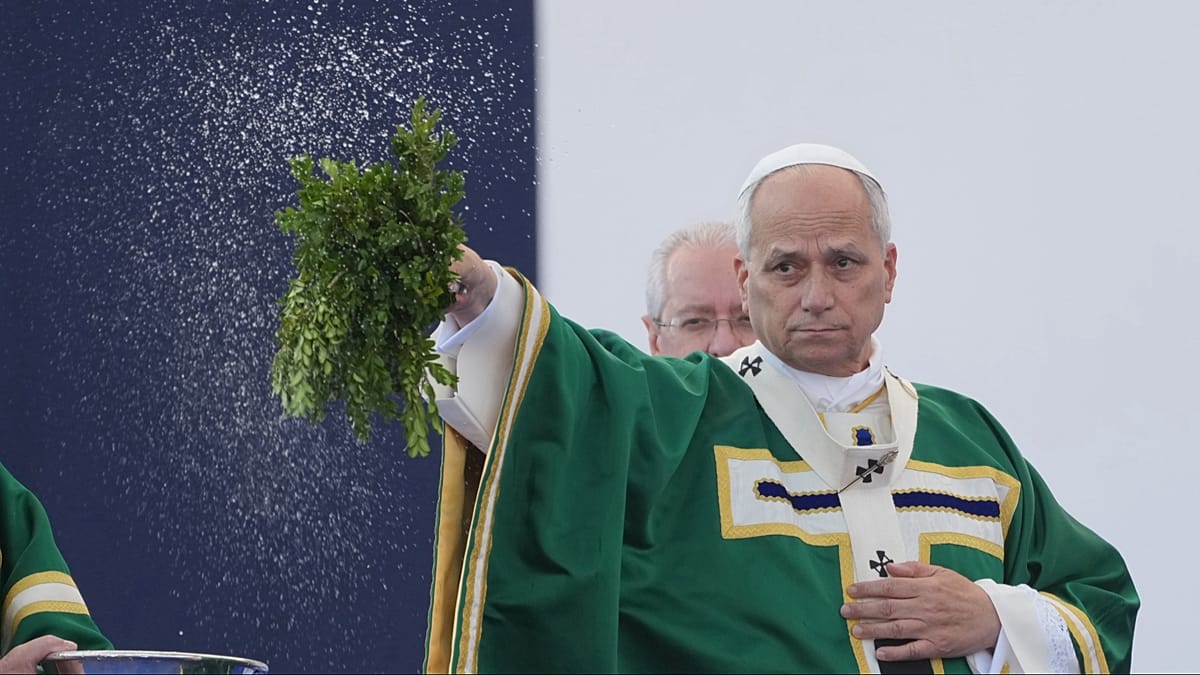
Pope Leo XIV used his visit to Lourdes on Sunday to press the Catholic Church in France to keep confronting its legacy of clerical sexual abuse, calling for humility and accountability in a homily delivered before a crowd of roughly 150,000.
The open-air Mass marked the second major public event of the pontiff's first trip to France, which began in Paris on Saturday where he drew nearly 800,000 people. In Lourdes, the Pope turned his attention to the scandal that has shaken the Church across Europe, urging it to acknowledge its failures rather than look away.
“The Church must have the courage to be the first to undergo this conversion,” Leo said. “To heal the deep wounds, the acts of infidelity and the painful deviations committed in its midst, we must stand humbly under the Lord's purifying gaze.” He added that “acknowledging our own faults is essential to our spiritual progress.”
Bishops urged to stay vigilant
Earlier on Sunday, the Pope met privately with France's bishops, commending their efforts to address abuse while insisting that vigilance must not waver. According to remarks released by the Vatican, he told them: “In recent years, you have faced with determination the painful scourge of abuse against minors committed by members of the clergy or in an ecclesial context. You have taken courageous measures to respond, through listening, the search for truth, justice, forgiveness, reparation and a firm commitment to a culture of prevention and protection against these crimes.”
He also encouraged the bishops to support their clergy, saying, “It is important to continue along this path while maintaining the greatest vigilance. At the same time, your clergy needs to be supported and encouraged; I know it is the focus of your fatherly concern.”
The Pope's schedule included a meeting with seven survivors of clerical abuse, one of whom was abused as an adult. However, the encounter drew criticism from some survivor groups who questioned how participants were chosen. In an open letter published by the French newspaper Libération on the day Leo arrived in Paris, a coalition of survivors called on him to acknowledge the Church's responsibility and objected to Church officials selecting attendees rather than leaving the process to independent survivor organisations.
“The Church must relinquish its position as both judge and party to the proceedings,” they wrote.
Monsignor Pierre-Antoine Bozo, spokesperson for the French bishops' conference, defended the arrangement, noting that two of the seven participants had been proposed by survivor groups. He explained that the Pope deliberately chose a small group to allow for a more personal exchange. “When it comes to listening to them, you can't have 50 people in front of you,” Bozo said. “So I think that's really what the pope chose: to listen so that we can act and respond more effectively.”
A painful reckoning
The French Catholic Church has been under intense scrutiny since an independent investigation in 2021 estimated that approximately 330,000 children were sexually abused over a 70-year period by priests, other Church workers, and people associated with Catholic institutions. The report identified around 3,000 alleged perpetrators among clergy and Church employees.
Although the report's methodology and conclusions have been contested, French bishops established an independent compensation system for survivors. The Pope's visit comes as the Church across Europe continues to grapple with similar scandals, from Germany to Ireland, and as his first French visit has drawn attention to the institution's broader credibility.
Leo's message in Lourdes echoed his earlier remarks in Paris, where he celebrated Mass before hundreds of thousands and met with President Emmanuel Macron at the Élysée. The trip has also been watched in the context of global diplomatic shifts, but the focus on abuse has remained central.
Survivor groups have welcomed the Pope's words but insist that concrete action matters more than rhetoric. The meeting in Lourdes, though small, was seen as a step toward acknowledging the pain of victims, even as questions linger over how the Church selects those it listens to.