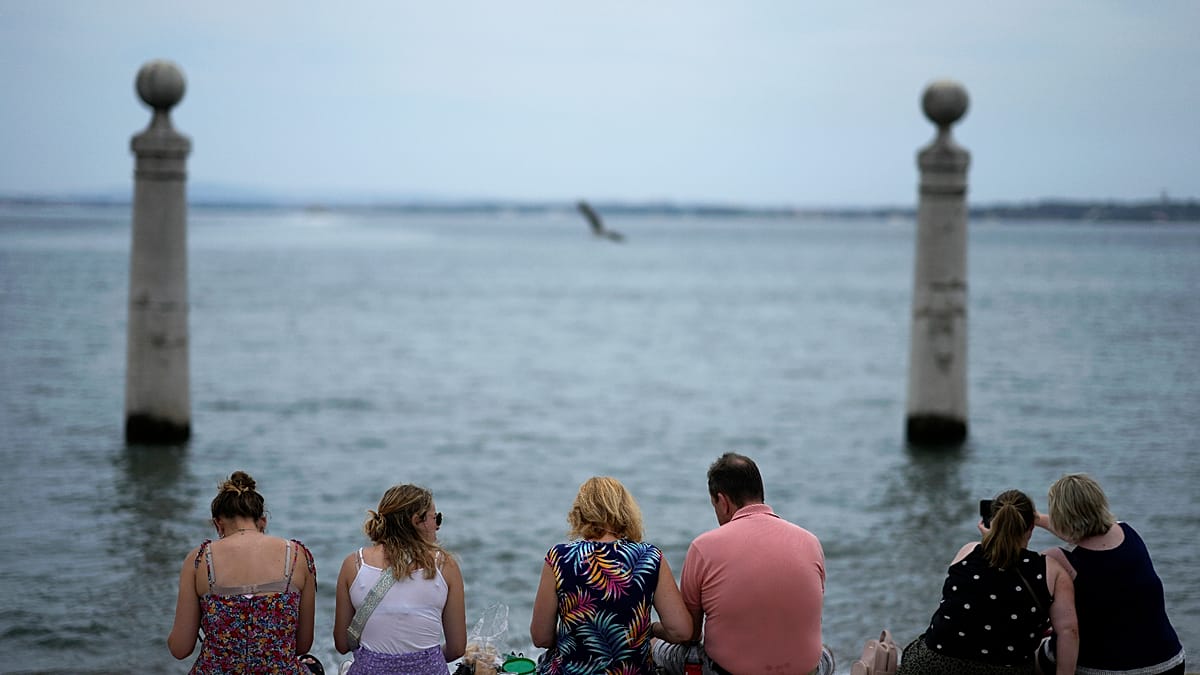
Portugal is bracing for an unusually warm end to September, with the national weather service warning that temperatures could climb to nearly 38°C in parts of the Alentejo and the Tagus Valley. The Portuguese Institute for Sea and Atmosphere (IPMA) said on Friday that a gradual rise in temperatures would begin on Saturday, and that the hot spell has a high chance of developing into a full-blown heatwave across much of the mainland.
In a statement, the IPMA explained that a heatwave is defined as a period of at least six consecutive days during which the maximum air temperature exceeds the average daily maximum by 5°C or more. Given the forecast, the agency said the probability of meeting that threshold is high for many regions.
Where the heat will hit hardest
Maximum temperatures are expected to exceed 30°C across most of mainland Portugal. The hottest spots will be in the interior, particularly in the Tagus Valley and parts of the Alentejo, where thermometers could approach 38°C. Even the capital, Lisbon, is likely to see temperatures in the mid-30s.
Night-time temperatures will also remain elevated, with minimums staying above 20°C in areas such as Alto Alentejo, Beira Baixa, the Tagus Valley and the eastern Algarve. That combination of hot days and warm nights can strain health systems and increase energy demand, especially for cooling.
The IPMA noted that while the forecast highs are lower than some peaks recorded earlier this summer, they are still substantially above the average for the second half of September. The agency attributed the warm spell to an anticyclone positioned north of the Azores, extending a ridge toward the Bay of Biscay, which is drawing a mass of hot, dry continental air over the Iberian Peninsula.
Context: a summer of extremes
This latest heat event follows an already punishing summer. In July, Portugal issued red warnings across most of the country and the government declared a state of alert as temperatures soared. The heat was not confined to Portugal; much of mainland Europe experienced unusually high temperatures during the same period.
According to a report by the non-profit organisation Climate Central, Europe was the most abnormally warm region on the planet in July, with nearly nine in ten Europeans enduring an entire month of what the group called “dangerous heat.” The findings underscore a broader trend that has prompted EU-level discussions on adaptation, including a heatwave plan unveiled by Ursula von der Leyen.
For Portugal, the immediate concern is the coming days. The IPMA advises residents and visitors to stay hydrated, avoid strenuous outdoor activity during peak heat, and check on vulnerable neighbours. Local authorities in the affected regions are expected to open cooling centres if needed.
The heat also has economic implications. Agriculture, particularly in the Alentejo, is sensitive to prolonged high temperatures, and energy grids may face higher demand for air conditioning. Portugal has been grappling with broader cost-of-living pressures, and the government's recent cost-of-living package did not include VAT cuts on energy, which could make cooling more expensive for households.
As the country prepares for what could be one of the warmest late-September spells on record, the focus is on resilience. The IPMA will continue to monitor conditions and update its warnings, with the possibility of extending the heatwave alert if the six-day threshold is met.