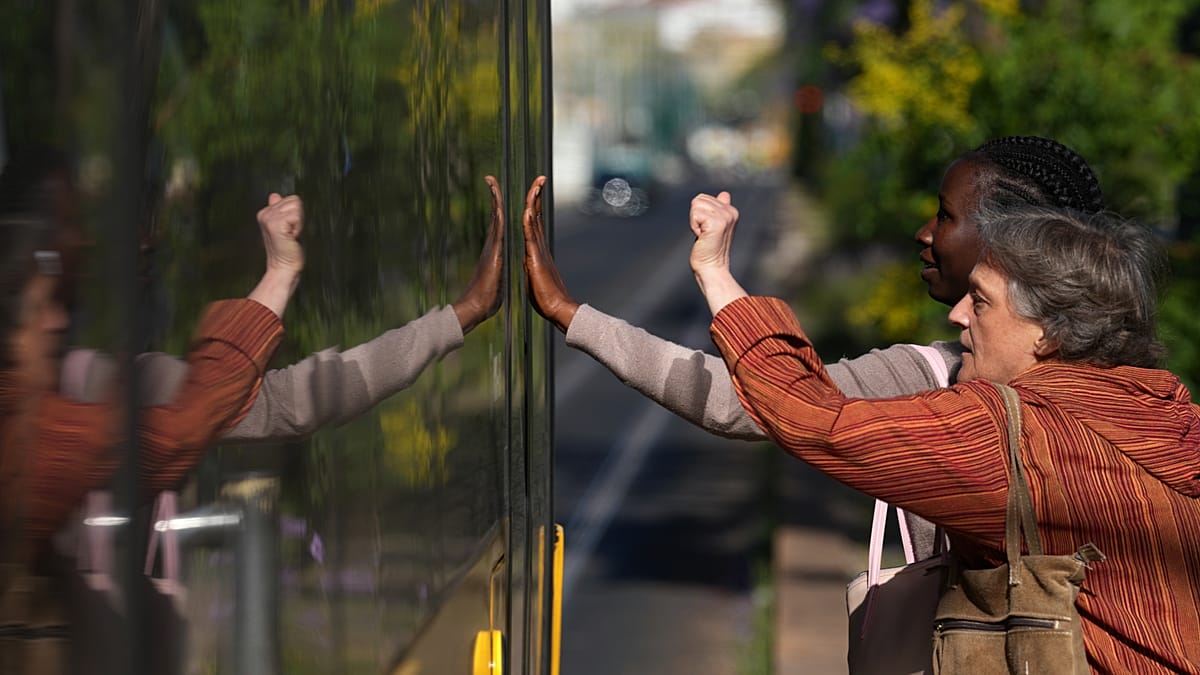
Portugal came to a standstill on [date] as a general strike called by major unions shut down railways, airports, schools, and hospitals across the country. The industrial action, which saw train stations in Lisbon and Porto deserted and flights cancelled at airports including Lisbon's Humberto Delgado and Porto's Francisco Sá Carneiro, is a direct response to government labour reforms that unions say weaken worker protections.
Unions Mobilise Against Labour Law Changes
The strike was organised by the General Confederation of Portuguese Workers (CGTP) and the General Union of Workers (UGT), representing millions of workers. They oppose the government's proposed changes to labour legislation, which include measures that unions argue will make it easier for employers to hire and fire, reduce overtime pay, and limit collective bargaining rights. The reforms are part of a broader push by the centre-right government of Prime Minister Luís Montenegro to modernise the economy and attract investment, but critics say they come at the expense of job security.
In a statement, the CGTP said the strike was a "defence of workers' rights" and accused the government of "dismantling decades of social progress." The UGT added that the reforms would "increase precariousness" and urged the government to return to negotiations.
Transport and Public Services Hit Hard
The impact on transport was immediate and severe. Portugal's national railway company, Comboios de Portugal, reported that more than 90% of trains were cancelled, leaving commuters and travellers stranded. At Lisbon's Santa Apolónia station, platforms were empty except for a handful of passengers waiting for updates. In Porto, the São Bento station, usually bustling with tourists, was eerily quiet.
Air travel also faced significant disruption. The national airline TAP Air Portugal cancelled dozens of domestic and international flights, while low-cost carriers like Ryanair and easyJet also reported cancellations. The strike coincided with the start of the summer holiday season, raising concerns about further disruptions. Earlier this month, the government announced it would deploy 340 extra PSP officers at airports to ease queues, but the strike has overwhelmed those efforts.
Schools across the country were closed, and hospitals operated with reduced staff, postponing non-urgent appointments and surgeries. Health workers joined the strike, citing concerns that the reforms would lead to longer hours and lower pay for medical staff.
Political and Economic Context
The strike comes at a time of heightened political tension in Portugal. The government, which took office in April after a narrow election victory, has made labour reform a cornerstone of its economic agenda. It argues that the changes are necessary to boost competitiveness and reduce unemployment, which remains relatively low at 6.5%. However, unions and left-wing opposition parties accuse the government of bowing to pressure from employers and the European Union's fiscal rules.
The walkout also highlights broader European debates over labour rights. Similar protests have occurred in Spain, where health workers have threatened strikes over working conditions, and in France, where pension reforms sparked mass demonstrations. The Portuguese strike is a reminder that the tension between economic flexibility and worker protections remains a flashpoint across the continent.
What Next?
Union leaders have warned that further strikes could follow if the government does not back down. The CGTP has called for a new round of negotiations, but the government has so far shown little willingness to compromise. For now, Portugal's transport hubs remain quiet, and the country waits to see whether this strike will force a change in course or deepen the political divide.



