As summer temperatures across Europe continue to shatter records—with Spain bracing for a third heatwave reaching up to 45°C—parents of infants and young children face a growing challenge: how to balance the need for outdoor activity with the very real risks of heat-related illness. The continent's persistent high-pressure patterns are making heatwaves longer and more intense, a trend linked directly to human-caused climate change.
According to a recent UNICEF analysis, more than 1.5 billion children worldwide now experience frequent and severe heatwaves. In Europe and Central Asia alone, rising heat kills nearly 400 children each year. The European summer of 2023 saw over 10,000 excess deaths attributable to heat, underscoring the urgency of protecting the most vulnerable.
Why Children Are More at Risk
Children's bodies are less efficient at regulating temperature than adults'. They sweat less per kilogram of body weight and have a higher metabolic rate, meaning they heat up faster in extreme conditions. Katherine Williamson, a pediatrician at Rady Children's Health in California, notes that heat-related injuries are becoming as common a concern as drowning or choking for toddlers. “We talk about drowning and choking with toddlers, and now we’re starting to add in heat,” she said. “It’s become something that’s more commonplace as a potential injury.”
Parents should watch for early signs of heat stress: a lack of tears when crying, fewer wet nappies than usual, flushed skin, fatigue, or unusual irritability. Offering smaller, more frequent feeds can help maintain hydration. Water-rich fruits like watermelon and strawberries are excellent snacks for older babies and toddlers.
Practical Tips for Hot Days
Avoid taking children outdoors during the hottest part of the day—typically between 11:00 and 16:00 across most of southern and central Europe. Dress them in loose, light-coloured clothing, apply a high-SPF sunscreen, and ensure they drink plenty of fluids. Debra Langlois, a pediatrician at the University of Michigan Health C.S. Mott Children's Hospital, advises that “if you’re hot, your baby sure is going to be hot.” She recommends limiting time outside but does not advocate staying indoors entirely.
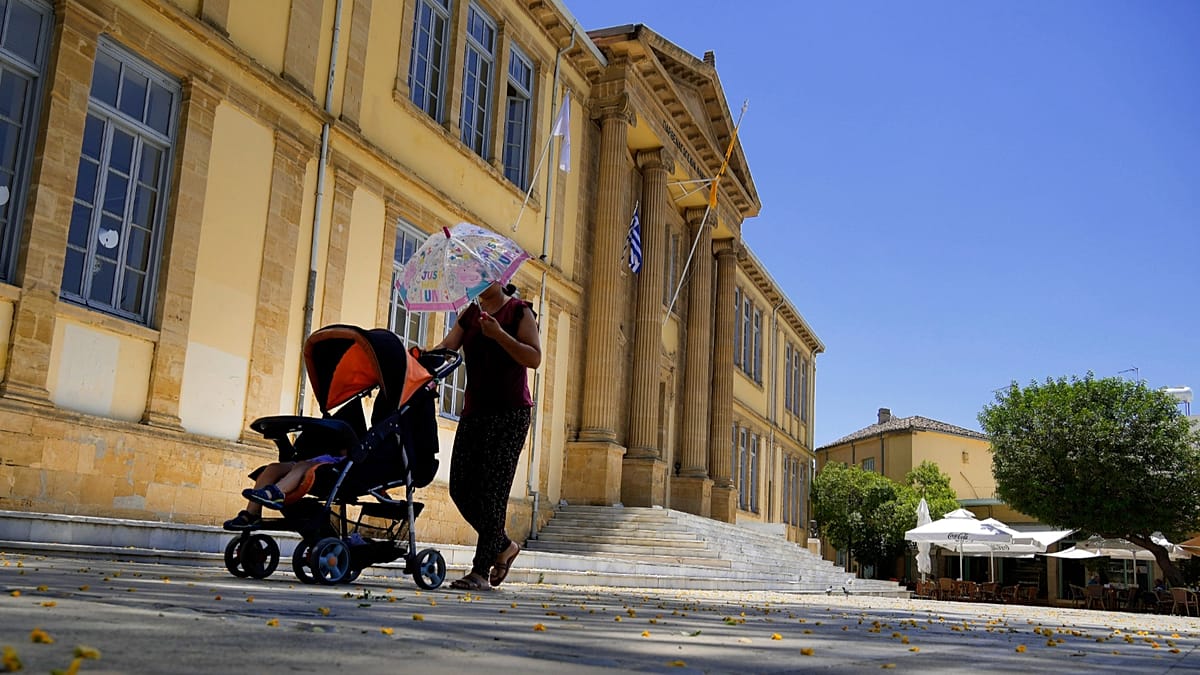
One common mistake is covering a pushchair or stroller with a blanket or cloth to shield a child from the sun. Even a thin cover traps heat and prevents air circulation, potentially raising the temperature inside the stroller to dangerous levels. The World Health Organization recommends using a wet, thin cloth that can be re-wetted as needed, combined with a portable fan for airflow.
Never leave a child in a parked car, even for a few minutes. In southern France, two children recently died after being left in a vehicle during a heatwave. Temperatures inside a car can become lethal within minutes, even in the shade with windows cracked open.
As Europe's cooling energy demand has doubled in six years, the need for heat-resilient parenting strategies is clear. While no single measure is a silver bullet, combining common-sense precautions with awareness of the specific risks to infants can help families navigate the hottest months safely.