On a balmy Tuesday evening in Paris, the Parc des Princes witnessed what many are calling one of the greatest Champions League semifinals in memory. Paris Saint-Germain, the reigning French champions, edged Bayern Munich 5-4 in a match that swung wildly between dominance and desperation. The result leaves the tie finely poised ahead of next week's return leg at the Allianz Arena.
The game was a relentless offensive showcase. PSG raced to a 5-2 lead, only for the German record champions—35-time Bundesliga winners—to claw back with two late goals, reducing the deficit to a single goal. It was the first time in any major European semifinal that both sides had scored at least four goals, and only the second time in Champions League knockout history, after Chelsea and Liverpool's 4-4 draw in the 2008-09 quarter-final.
A Night of Individual Brilliance
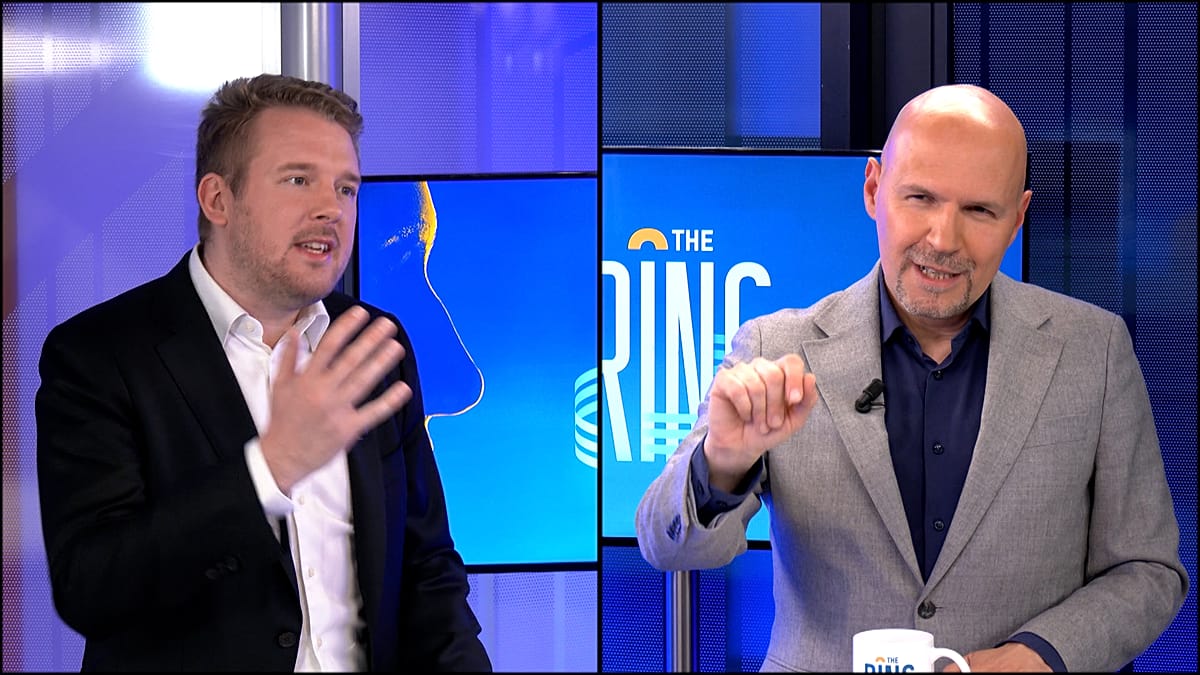
Both teams fielded some of the highest-earning players in European football, and on this night, they justified their wages. The attacking intensity was relentless, with chances flowing at both ends. The match was dissected on The Ring, Euronews's football podcast, by host Stefan Grobe, joined by Brussels-based football enthusiasts Connor Allen and Petros Fassoulas, secretary general of the European Movement International.
Allen and Fassoulas praised the quality on display. “It was football at its very best,” Fassoulas said. “Both teams were on the offensive permanently, and the individual performances were outstanding.” They noted the deep connection between several players, such as Ousmane Dembélé and Dayot Upamecano, who grew up together in Évreux before rising to the top of the game—a story explored in From Évreux to the Champions League: Dembélé and Upamecano's Unbreakable Bond.
The match also highlighted contrasting ownership models in European football. PSG, backed by Qatari investment, and Bayern, a club owned by its members, represent different philosophies—a topic examined in Champions League Semifinals: A Clash of Ownership Models Across Europe.
Political and Social Dimensions
The excitement extended beyond the pitch. EU Sports Commissioner Glenn Mecallef told Euronews: “That’s what European sport does. It brings people into the same moment. Footballers are ambassadors and role models people look up to. They inspire and connect millions of people. And the Champions League, together with Europe’s domestic leagues, gives them the greatest stage to do exactly that.”
But the conversation also turned to the sport's darker sides. Racism among supporters remains a persistent issue across European stadiums, from the Bundesliga to Ligue 1. The panel discussed ongoing efforts by clubs and governing bodies to combat discrimination, though progress remains uneven.
While Allen and Fassoulas agreed on the quality of the match, they diverged on who will lift the trophy. Allen, a British fan, backed Arsenal London—who drew 1-1 at Atlético Madrid in the other semifinal—to go all the way. Fassoulas remained non-committal, noting that Bayern's home advantage could prove decisive.
The second leg in Munich promises to be another classic. With PSG holding a slender lead and Bayern's attacking firepower, the tie is far from settled. European football fans will be watching closely.