Qatar has issued a stark warning that the closure of the Bab el-Mandeb strait, on top of the ongoing blockade of the Strait of Hormuz, would be “catastrophic for the entire world.” The call comes as Iran-backed Houthi forces tighten their grip on the southern Red Sea, raising the stakes for global shipping and energy supplies.
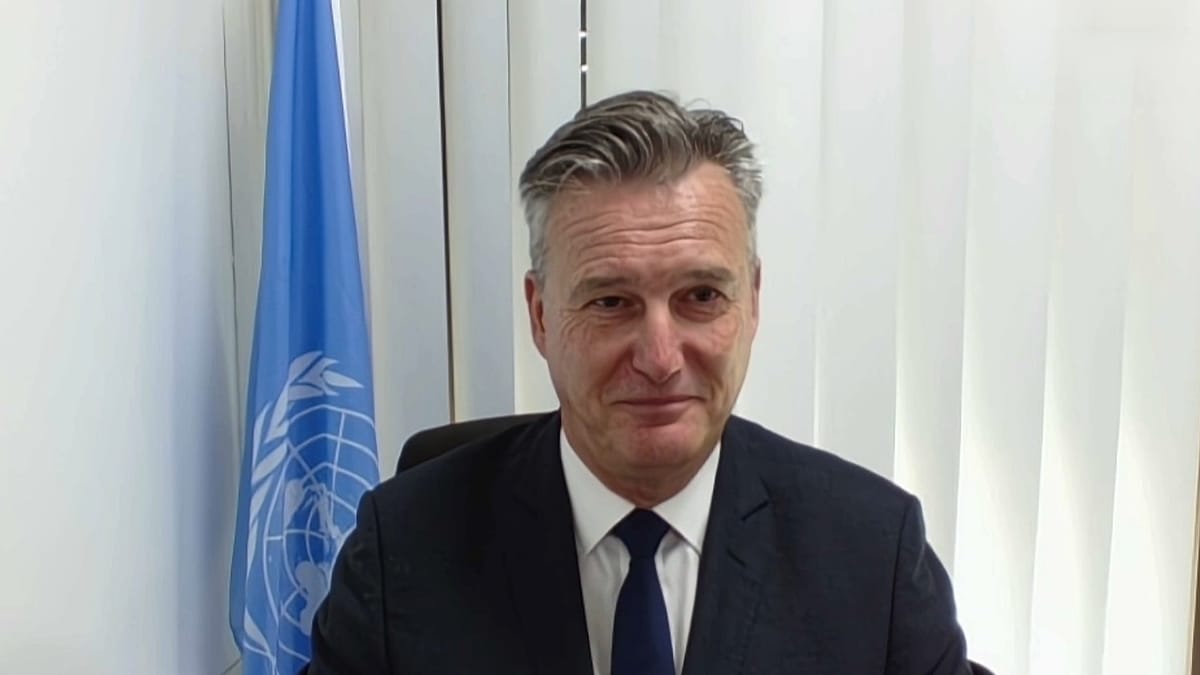
Ibrahim bin Sultan Al Hashmi, director of media and communication at Qatar’s foreign ministry, told a briefing in Doha on Tuesday that the world is already suffering from the Hormuz disruption. “The world is suffering enough with the closure of the Strait of Hormuz, so we cannot also afford to add the Bab al-Mandeb into that equation,” he said. “The whole world is going to suffer and it’s going to be catastrophic for the entire world.”
Al Hashmi stressed that blocking international waterways cannot become the “new normal” and urged countries to work together to prevent it. He said Qatar is engaging with regional and international partners to support negotiations on freedom of navigation through Hormuz, adding that diplomacy remains the only viable path. “It is not an impossible task because at the end of the day, the only solution will be through the negotiation table and that’s what we are working diligently on,” he said.
Houthi advances in the Red Sea
The warning follows the Houthis’ seizure of the Greater and Lesser Hanish islands, confirmed by both the internationally recognised Yemeni government and Houthi officials on Monday. The islands, located in the southern Red Sea, add to the group’s earlier capture of the coastal port of Mokha and Perim Island, which sits at the very entrance to the Bab el-Mandeb strait. These gains have been tightening the Houthis' grip on the shipping lane.
Saudi Arabia, which backs Yemen’s internationally recognised government, has seen its forces struggle to regroup after the losses. The Houthis have also launched multiple attacks on Saudi oil infrastructure and vessels in the Red Sea, following their announcement of a blockade on Saudi shipping in July. These actions have added further strain to energy markets already disrupted by the Iran war, with US and Iranian blockades affecting traffic through Hormuz on the other side of the Arabian Peninsula.
Why Bab el-Mandeb matters
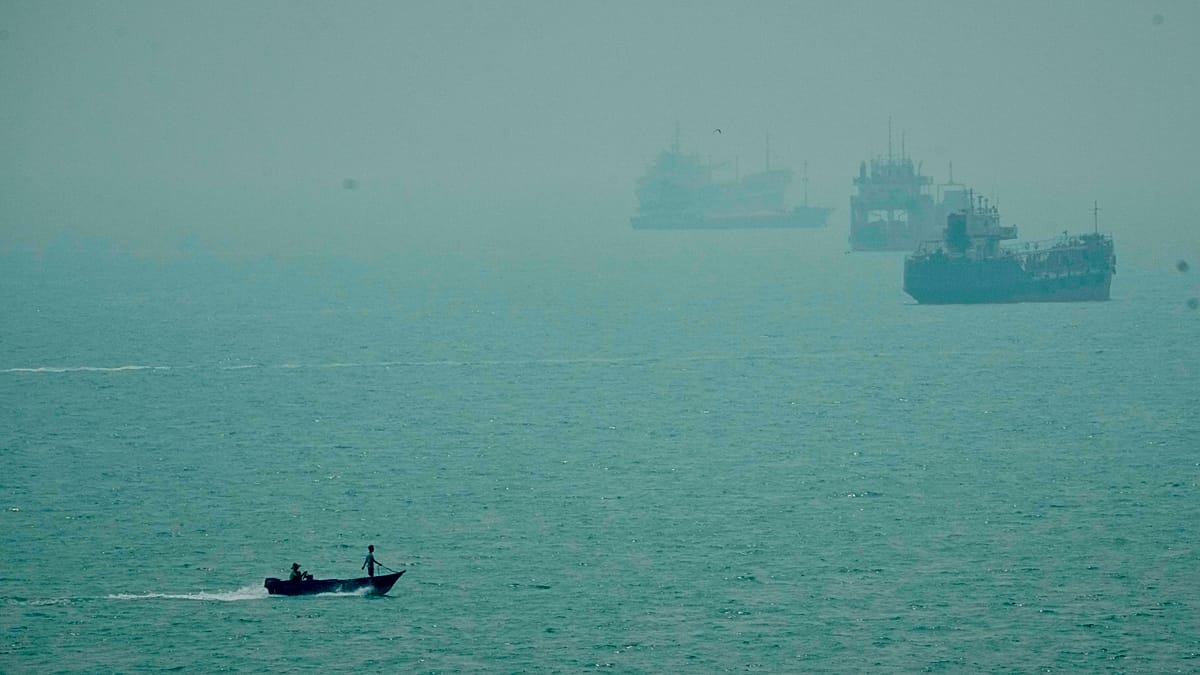
Bab el-Mandeb, whose name in Arabic means “Gate of Tears,” connects the Gulf of Aden to the Red Sea. It is a vital chokepoint for vessels travelling between Asia and Europe via the Suez Canal. Earlier Houthi attacks forced many ships to take the longer route around southern Africa, increasing both time and cost, according to the US Energy Information Administration.
Saudi Arabia’s East-West pipeline offers an alternative to Hormuz by moving oil to Red Sea ports, but tankers heading south from those ports still must pass through Bab el-Mandeb. This makes the strait indispensable not only for European consumers but for global energy security.
The situation has drawn concern from European capitals, which rely heavily on Suez Canal traffic for trade with Asia. Any prolonged closure would ripple through supply chains, affecting everything from manufactured goods to energy imports. The EU's digital identity wallet may streamline bureaucracy, but it cannot ease the logistical nightmare of rerouting container ships.
Qatar’s call for diplomacy echoes broader international appeals for de-escalation. However, with the Houthis consolidating their positions and the conflict in Yemen far from resolved, the risk of a permanent disruption to one of the world’s most critical maritime routes remains high. As Al Hashmi put it, the only solution is through negotiation—a message that resonates from Doha to Brussels.