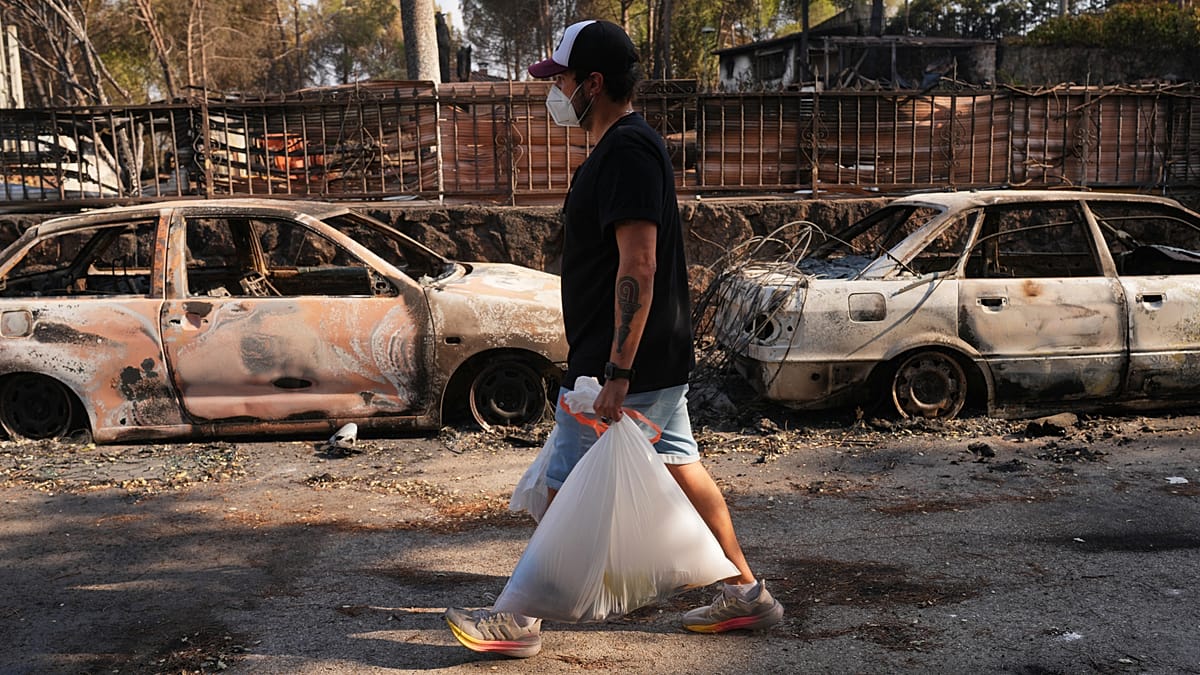
Residents of Navas del Rey, a town in the Madrid region of central Spain, have been allowed to return to their homes after a wildfire forced a mass evacuation earlier this week. The fire, which broke out in dry, wooded terrain, prompted authorities to order the precautionary removal of hundreds of residents as flames approached the outskirts of the town.
The blaze, which began on Tuesday afternoon, was driven by high temperatures and gusty winds, conditions that have become increasingly common across southern Europe during the summer months. Firefighters from the regional government of Madrid, supported by the Spanish military's emergency unit (Unidad Militar de Emergencias), worked through the night to contain the fire. By Wednesday morning, officials declared the fire under control, allowing residents to return.
Wildfire risks persist across southern Europe
The Navas del Rey incident is the latest in a series of wildfires that have affected various parts of Europe this summer. In recent weeks, blazes have also forced evacuations in Turkey's Aegean and Mediterranean coasts, as well as in southern Crete, where two firefighters died. The pattern underscores the growing challenge posed by climate change, which is lengthening fire seasons and intensifying drought conditions in the Mediterranean basin.
Spain's environment minister, Teresa Ribera, has been vocal about the link between climate change and wildfire risk. In a recent statement, she accused climate deniers of endangering lives as wildfires scorch Europe. Her comments reflect a broader concern among European policymakers that without aggressive emissions reductions, such disasters will become more frequent and severe.
While the Navas del Rey fire did not cause any reported injuries or structural damage, it destroyed several hectares of forest and scrubland. Local authorities have urged residents to remain vigilant and to follow any future evacuation orders promptly. The town's mayor, José Luis Fernández, thanked firefighters and emergency services for their swift response, noting that their efforts prevented the fire from reaching residential areas.
Spain has experienced a particularly active wildfire season this year, with blazes also reported in Catalonia, Andalusia, and the Canary Islands. The country's emergency services have been stretched thin, but coordination between regional and national agencies has improved compared to previous years. The use of aerial firefighting resources, including helicopters and water-dropping aircraft, has been crucial in containing fires quickly.
For residents of Navas del Rey, the return home is a relief, but the experience has left many shaken. Local businesses, which had been forced to close during the evacuation, are now reopening. The town's economy, like many rural communities in Spain, relies heavily on tourism and agriculture, both of which are vulnerable to the impacts of wildfires.
As Europe's summer continues, experts warn that the risk of further wildfires remains high, particularly in southern regions. The European Forest Fire Information System (EFFIS) has issued alerts for several areas in Spain, Portugal, Italy, and Greece. Travelers and residents alike are advised to stay informed about local conditions and to avoid activities that could spark fires, such as using barbecues in dry areas or discarding cigarettes carelessly.
The Navas del Rey fire serves as a reminder of the broader environmental and economic challenges facing Europe. As the continent grapples with rising temperatures and changing weather patterns, investments in fire prevention, early warning systems, and climate adaptation will be essential to protect communities and ecosystems.