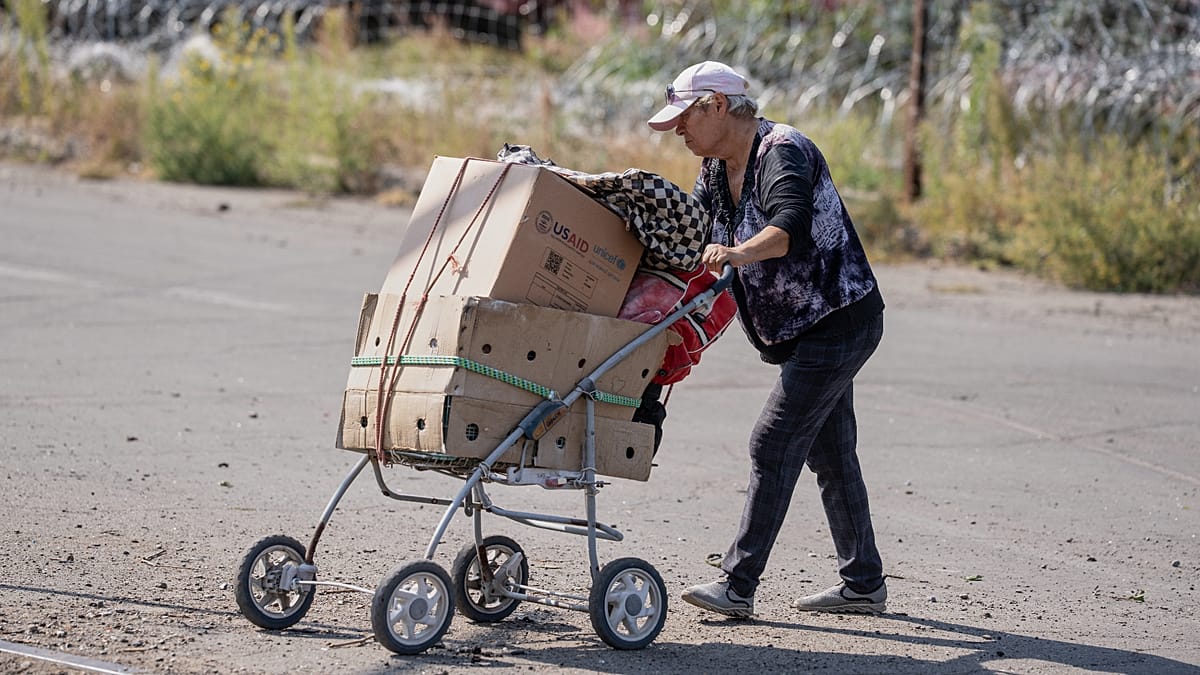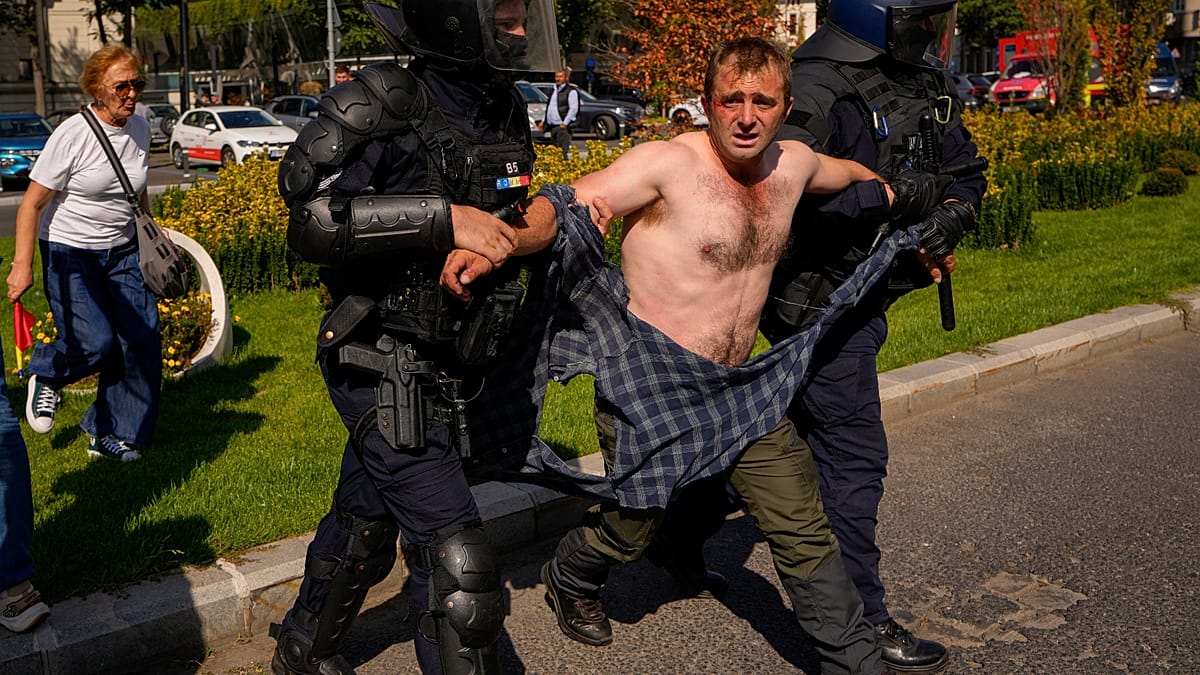
Bucharest saw a tense standoff on Tuesday as Romanian farmers, angered by a European Union ban on livestock exports, clashed with police outside the government headquarters. What began as a peaceful demonstration descended into scuffles, with officers using pepper spray to disperse crowds that attempted to breach security barriers.
Roots of the unrest
The protest was triggered by the EU's recent decision to restrict the transport of live animals, a measure aimed at improving animal welfare standards across the bloc. Farmers argue that the ban, which they say was adopted without adequate consultation, will devastate Romania's agricultural sector, particularly in rural regions where livestock farming is a primary source of income.
"This is about our survival," said Ion Popescu, a cattle farmer from the northern county of Maramureș, who traveled overnight to join the protest. "The EU is making decisions in Brussels that don't understand our reality. We can't just switch to other crops overnight."
The demonstration, organized by several agricultural associations, drew thousands of farmers from across the country, many arriving on tractors that lined the boulevards near the government's Victoria Palace. The atmosphere was initially festive, but tensions escalated when a group of protesters attempted to push past police lines, leading to clashes that lasted several hours.
Police reported that a number of officers sustained minor injuries, and at least a dozen protesters were detained for questioning. The interior ministry issued a statement urging calm and emphasizing the right to peaceful protest, while also warning that violence would not be tolerated.
EU policy under scrutiny
The livestock ban is part of a broader EU strategy to phase out the long-distance transport of animals for slaughter, a practice that has drawn criticism from animal rights groups but remains economically vital for many Eastern European farmers. The European Commission has defended the measure, citing scientific evidence on animal stress and the need to align with citizens' expectations on welfare.
However, the backlash in Romania highlights a growing rift between Brussels and member states in the region, where agriculture often operates on smaller margins and with less infrastructure than in Western Europe. Similar protests have erupted in Poland and Bulgaria in recent months, signaling a wider discontent with EU agricultural policies.
"The Commission's approach has been top-down and insensitive to local conditions," said Dr. Elena Ionescu, an agricultural economist at the Bucharest University of Economic Studies. "There is a real risk that these regulations will push small farmers out of business, leading to consolidation and further rural depopulation."
The Romanian government, caught between Brussels and its own farmers, has called for a renegotiation of the ban's implementation timeline. Prime Minister Marcel Ciolacu addressed the nation on Tuesday evening, acknowledging the farmers' grievances and promising to raise their concerns at the next EU Agriculture and Fisheries Council meeting.
"We hear you, and we will fight for a fair transition," Ciolacu said in a televised statement. "But we must also respect our commitments to the Union."
The protest comes at a time of heightened political tension in Romania, with the president warning that the war in Ukraine could last another two years, adding pressure on agricultural markets and supply chains. The EU's livestock ban is seen by some as an additional burden on an already strained sector.
Meanwhile, the European Parliament is currently debating strict permit deadlines for farmers, which could further complicate the regulatory landscape. The clash in Bucharest underscores the delicate balance between EU-wide standards and national realities, a theme that resonates across the continent.
As night fell, most protesters dispersed, but their leaders vowed to continue the fight. "We will not back down," said Popescu. "If Brussels won't listen, we will make them hear us."
The incident has also drawn attention to the broader issue of police conduct during protests, with some observers drawing parallels to a recent case in France where an officer was investigated after a violent takedown. While the Bucharest clashes were less severe, they raise questions about the use of force in agricultural demonstrations.
For now, the Romanian government faces the challenge of placating its farmers while maintaining credibility in Brussels. The EU, for its part, must consider whether its welfare ambitions are compatible with the economic realities of its eastern members. The outcome of this standoff could set a precedent for how the bloc handles similar disputes in the future.