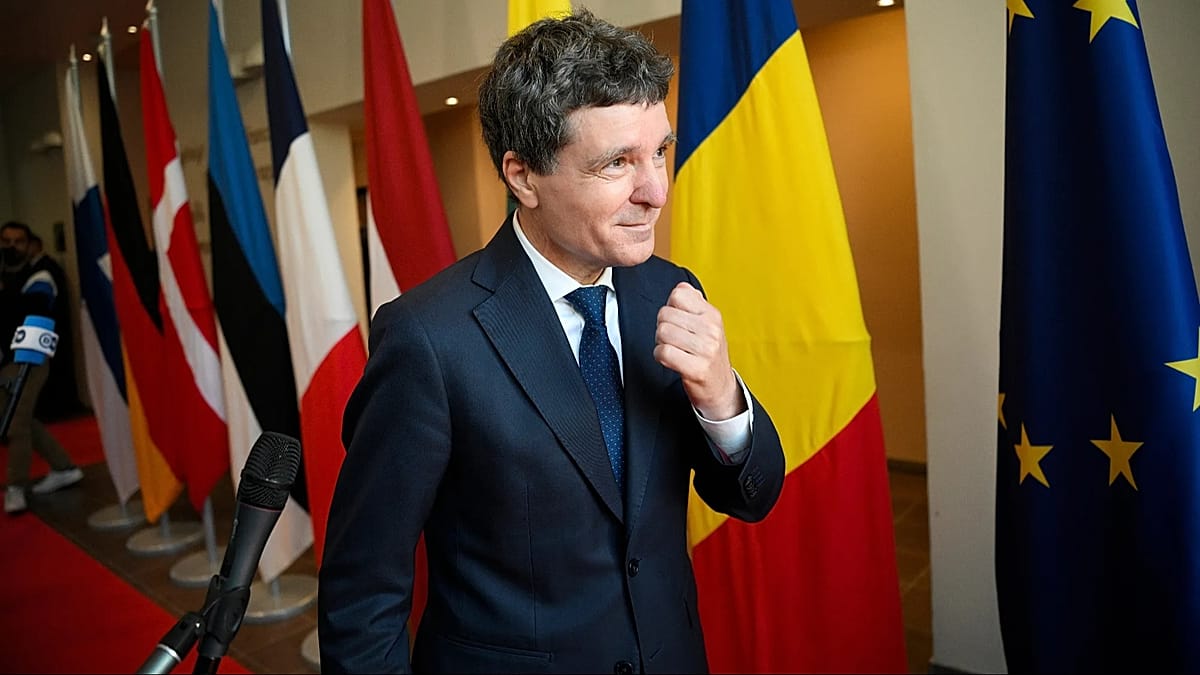
Romanian President Nicușor Dan has cautioned that the war in Ukraine is far from over, predicting the conflict could persist for at least another one to two years. Speaking to reporters, Dan stressed that despite mounting economic strain on Russia and Ukraine's demonstrated ability to strike deep into Russian territory, Moscow remains unwilling to enter meaningful negotiations.
“We must be prepared for a continuation of this war for at least a year, two,” Dan said, underscoring the grim outlook from a leader whose country shares a 650-kilometre border with Ukraine. Romania has been a key transit hub for Western military aid and grain exports, making the war's trajectory a matter of direct national security.
NATO's eastern flank and US presence
Dan used the occasion to press for the continued presence of US troops in Europe, as Washington conducts a review of its military posture on the continent. With the war grinding on, he argued that a reduced American footprint would send the wrong signal to Moscow and weaken NATO's deterrence on its eastern flank.
“The United States' commitment to European security is not just symbolic; it is a cornerstone of our collective defence,” Dan said. His remarks come amid broader debates within the alliance about burden-sharing and the future of US bases in Europe, particularly in countries like Romania and Poland that host significant numbers of American personnel.
Romania has already taken steps to bolster its own defences. Dan confirmed that Bucharest has received the first tranche of a €2.5 billion EU defence fund, earmarked for military procurement. The funds are part of a broader European effort to strengthen national arsenals and reduce reliance on US hardware.
Russia's resilience and Ukraine's strikes
Despite Western sanctions and a struggling Russian economy, the Kremlin has shown no sign of altering its objectives. Ukraine, meanwhile, has used long-range drones and missiles to hit targets deep inside Russia, including oil refineries and military installations. Yet these strikes have not forced a change in Moscow's calculus.
Dan's assessment aligns with recent intelligence reports suggesting that neither side is positioned for a decisive breakthrough. The front lines have largely stabilised, but both armies continue to suffer heavy casualties. Recent Russian strikes near the Polish border have heightened fears of spillover, and Belarus has re-emerged as a launchpad for drone attacks, further complicating the security picture for NATO members.
Diplomatic efforts have stalled. While claims of a partial energy truce have surfaced, they have not translated into broader ceasefire talks. Dan's warning serves as a reality check for European leaders who hope for a quick resolution.
European defence spending on the rise
The EU's €2.5 billion fund for Romania is part of a larger push to increase defence spending across the bloc. Several member states have announced significant budget hikes, and the European Commission has proposed joint procurement schemes to fill critical gaps in ammunition and air defence.
For Romania, the funds will support modernisation of its armed forces, including the acquisition of new equipment and the enhancement of its air defence capabilities. The country has also been a vocal advocate for stronger NATO presence in the Black Sea region, where Russian naval activity remains a concern.
Dan's comments come at a time when European unity on Ukraine is being tested. Some allies are weary of the financial burden, while others, particularly those on the eastern flank, argue that the cost of inaction would be far higher. Disinformation campaigns have further muddied the public debate, but Dan's message is clear: Europe must prepare for a long war.
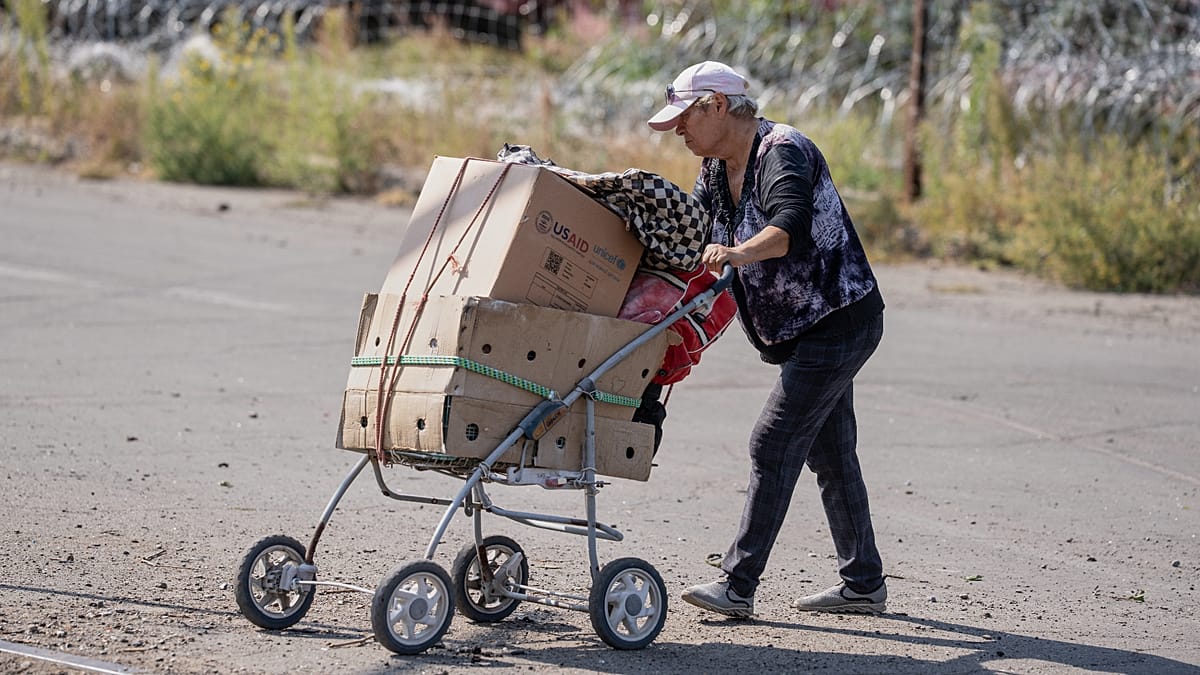
As the conflict enters its fourth year, the human and economic toll continues to mount. Dan's warning is a sobering reminder that the end is not in sight, and that European security will depend on sustained resolve and investment.