Warsaw and Kyiv have condemned a Russian strike on a passenger train near the Polish border as a deliberate escalation, with Poland's Prime Minister Donald Tusk warning that Moscow is likely to intensify the war in the coming weeks.
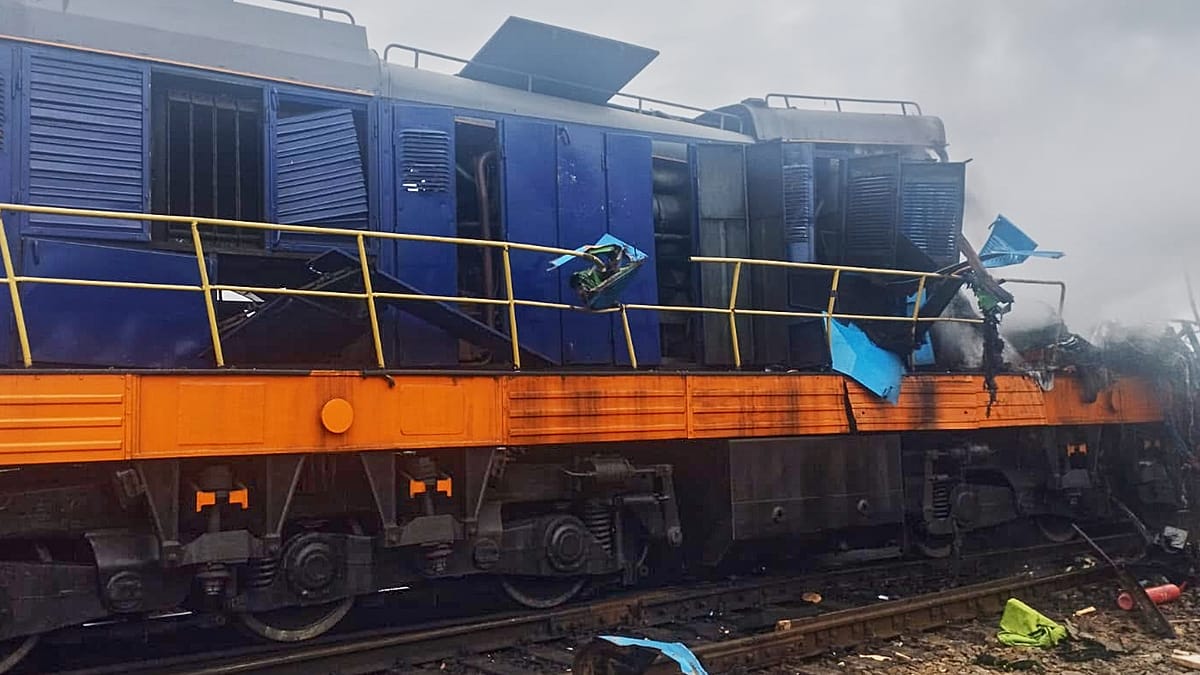
The attack occurred at Yahodyn station in western Ukraine, roughly two kilometres from the Polish frontier, striking the locomotive of a train bound for Warsaw. Ukrainian authorities said all passengers were evacuated and no casualties were reported, but the incident has heightened fears that the conflict is spilling closer to NATO's eastern flank.
EU foreign policy chief Kaja Kallas said the strike was clearly designed to intimidate Western nations that have been backing Ukraine. "It is clearly meant to scare Western countries from supporting Ukraine, from going to Ukraine to show support," Kallas said, urging Kyiv's allies to do "the opposite" and step up their engagement.
Poland's foreign minister, Radosław Sikorski, echoed that sentiment, calling on allies to "double" their support for Ukraine. He described the strike as an "escalation" that should not go unanswered.
A narrow miss for Western officials
The timing of the attack has raised particular concern. Shortly before the train was hit, another train carrying senior EU officials and former British prime minister Boris Johnson had passed through the same station on its way back to Poland from a conference in Kyiv. At the moment of the strike, a different train at Yahodyn was carrying David Petraeus, the former CIA director, who told the New York Times he heard Russian drones overhead and a subsequent explosion, calling it "terrifying."
Russia claimed it had targeted "railway infrastructure used to transport military cargo" from European countries. Ukrainian President Volodymyr Zelenskyy rejected that explanation, accusing Moscow of "deliberately" striking the locomotive. "It is precisely to prevent these strikes from spreading further into Europe that Ukrainian men and women fight every day, give their lives, and do not allow the aggression to expand," he said.
The incident comes amid a broader pattern of Russian attacks on Ukrainian infrastructure, including deadly strikes across the country and a record drone barrage in recent weeks. On Sunday, Russian strikes killed at least two people in the eastern city of Kramatorsk.
The proximity of the attack to Poland has also raised concerns about the safety of rail links that have become vital for transporting humanitarian aid and military supplies to Ukraine. Poland has been a key transit hub for Western support, and the strike underscores the risks faced by those working to maintain those supply lines.
EU officials have been increasingly vocal about the need to counter Russian intimidation. Kallas's call for a robust response reflects a growing consensus in Brussels that Moscow is testing the resolve of Western allies. The bloc has already imposed multiple rounds of sanctions on Russia and has pledged billions in military and financial aid to Ukraine.
For Poland, the strike is a stark reminder of its frontline role in the conflict. Warsaw has been one of Kyiv's strongest supporters, and Tusk's warning of further escalation suggests that the coming weeks could bring more challenges. The attack also comes as the EU debates migration and border security, issues that have taken on new urgency amid the war.
As the conflict grinds on, the incident at Yahodyn serves as a sobering illustration of how close the war has come to NATO's doorstep. For now, Ukraine's allies are left to weigh their next moves, with many in Europe arguing that only a decisive increase in support can deter further Russian aggression.