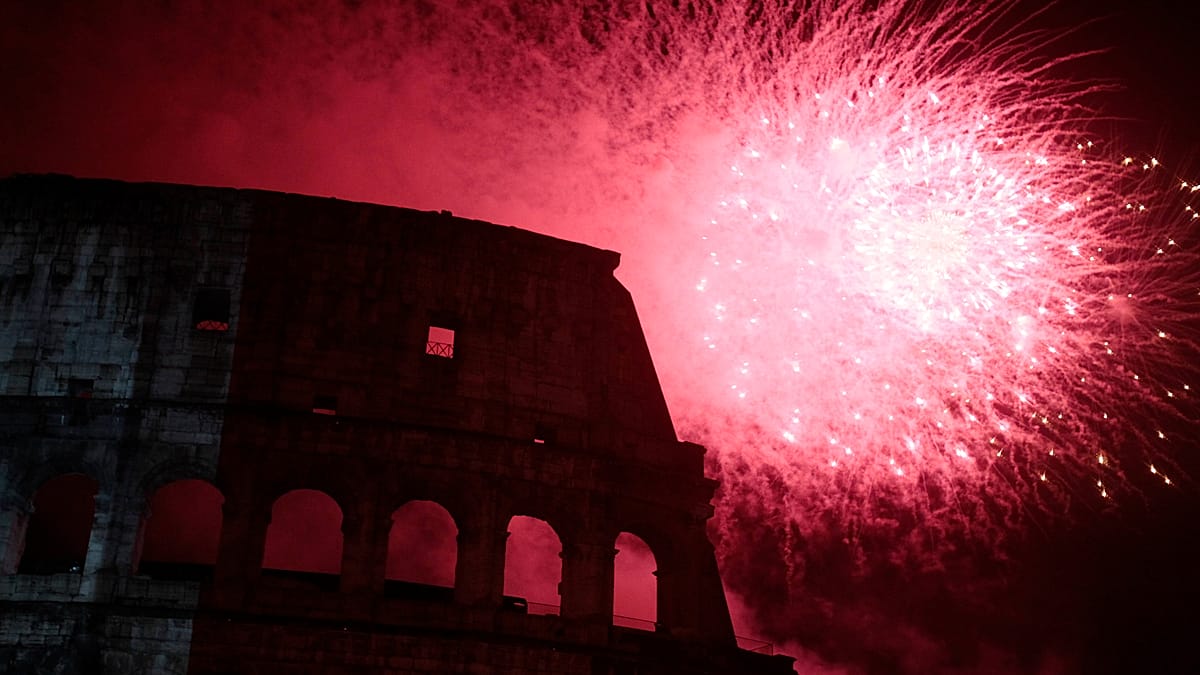
Rome's iconic Colosseum was bathed in pink light on Tuesday evening as part of a breast cancer prevention campaign, drawing attention to early detection and screening across Italy. The initiative, organized with local health authorities and patient advocacy groups, aimed to encourage women to undergo regular mammograms and adopt preventive health practices.
The glowing monument, a symbol of the Eternal City, served as a visual reminder of the importance of breast health, with organizers hoping the striking display would spark conversations and prompt action. Similar campaigns have been held in other European landmarks, but the Colosseum's participation carried particular weight given its global recognition.
A somber backdrop
The pink illumination, however, was overshadowed by tragedy. Hours before the lights were switched on, the Colosseum announced it would close to the public following the death of a 22-year-old worker who was installing new lighting equipment. The incident occurred during routine maintenance, and authorities have launched an investigation into the circumstances.
Local media reported that the worker was part of a crew contracted to upgrade the monument's lighting system, a project intended to enhance the Colosseum's nighttime appearance while improving energy efficiency. The accident has raised renewed concerns about workplace safety in Italy's heritage sector, where aging infrastructure and tight budgets often complicate maintenance work.
Rome's mayor, Roberto Gualtieri, expressed condolences on social media, calling the death "a painful blow for the entire city." The Colosseum's management said it would cooperate fully with investigators and has suspended all non-essential work at the site.
Breast cancer prevention in Europe
Breast cancer remains the most commonly diagnosed cancer among women in the European Union, with an estimated 355,000 new cases and 90,000 deaths each year, according to the European Commission. Screening programs vary widely across member states, and the campaign at the Colosseum was part of a broader push to harmonize standards and improve early detection.
In Italy, the national health service offers free mammograms to women aged 50 to 69, but participation rates have fluctuated, particularly in southern regions. Advocacy groups have long called for extending screening to younger women and for better access to genetic testing for those with family histories of the disease.
The pink lighting also coincided with a growing body of research on lifestyle factors and cancer risk. A recent UK study linked very hot drinks to a higher risk of oesophageal cancer, while other European studies have explored the benefits of mindfulness and tai chi in easing treatment side effects. Such findings underscore the multifaceted approach needed to tackle cancer across the continent.
Symbolism and solidarity
The Colosseum has a history of lighting up for various causes, from anti-violence campaigns to environmental awareness. Its pink glow on Tuesday was meant to convey solidarity with patients, survivors, and families affected by breast cancer, and to remind policymakers that prevention remains a priority.
"Lighting up a monument is a powerful gesture," said Maria Grazia, a volunteer with the Italian Breast Cancer Association. "It tells every woman that she is not alone, and that early detection saves lives."
The event also drew attention to the broader challenges facing Italy's cultural heritage, where maintenance and safety standards have come under scrutiny. The death of the young worker has prompted calls for stricter oversight of contractors and better training for those working on historic structures.
As the Colosseum remains closed for the foreseeable future, the pink lights were a brief but poignant reminder of both the fragility of life and the resilience of communities in the face of disease. For many Romans, the image of the ancient amphitheater glowing pink will linger long after the investigation into the tragedy concludes.