For the growing number of Europeans living beyond a cancer diagnosis, the aftermath of treatment often brings persistent fatigue, pain and sleepless nights. A new clinical trial offers hope: mind-body practices such as tai chi, qigong and mindfulness can meaningfully ease these burdens.
The study, published by researchers at the University of Calgary and Mass General Brigham, followed nearly 600 cancer survivors who had completed their primary treatment but continued to experience at least moderate psychological distress. Participants came from diverse backgrounds, with prior diagnoses including breast, prostate, gastrointestinal, lung and other cancers; about half had early-stage disease.
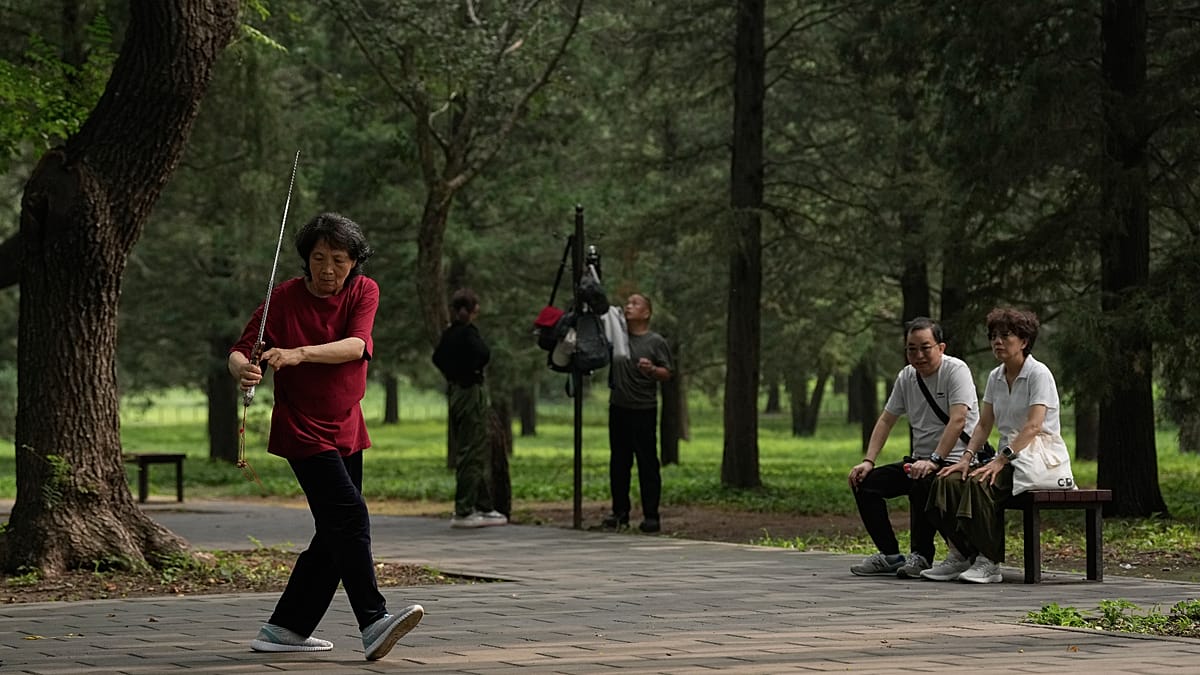
Survivors were offered two programmes: mindfulness-based cancer recovery, which combined yoga, meditation and group discussions over nine weeks, or a tai chi and qigong course spanning 11 weeks, focusing on flowing movements, breath awareness and cognitive skills like focused attention and body awareness. A waitlist group served as a control.
Both approaches reduced fatigue and pain, but tai chi and qigong also improved sleep quality—a common struggle for many patients. The findings, published in the Journal of Clinical Oncology, reinforce what many integrative health practitioners have long argued: that a whole-person approach is essential for cancer survivorship care.
Benefits that cluster together
Researchers measured pain in two ways: its intensity and its interference with daily activities. While effects on intensity were modest, the psychological aspect of pain—how much it disrupts life—improved over time with both practices. Notably, symptoms of pain interference, sleep disturbance and fatigue tended to cluster, so improvements in one often accompanied improvements in the others.
“Both mindfulness-based cancer recovery and tai chi/qigong helped participants manage some of the most common and burdensome challenges faced after cancer treatment,” said senior author Peter Wayne, director of the Osher Center for Integrative Health at Mass General Brigham. “These findings reinforce the value of a whole-person approach to cancer survivorship care.”
Ken Taub, a cancer survivor who took part in the trial, described the mind-body therapy as “a tremendous help navigating this most unpleasant journey.” He added that he now “can start the day feeling fresh and limber.”
The study’s lead investigator, Linda E. Carlson, a professor at the University of Calgary, noted that “more and more people with cancer are surviving longer term but often, they are struggling with long-term side effects that can be difficult to manage.”
Across Europe, national health systems are increasingly exploring non-pharmacological interventions for cancer survivors. In countries like Germany, the UK and the Netherlands, integrative oncology programmes already incorporate mindfulness and movement therapies, though access remains uneven. This trial provides robust evidence that could encourage broader adoption.
For European policymakers and clinicians, the message is clear: investing in mind-body programmes could improve quality of life for the continent’s millions of cancer survivors, potentially reducing reliance on sleep aids and pain medication. As the links between sleep and overall health become better understood, such therapies offer a low-risk, high-benefit complement to conventional follow-up care.
The study also aligns with broader research on lifestyle interventions, such as the potential for green transitions in heavy industry to benefit both economy and health—though the connection may seem distant, both point to the value of systemic, preventive approaches.
As Europe’s cancer survivor population grows—estimated at over 20 million—the need for sustainable, accessible supportive care becomes ever more pressing. This trial offers a practical, evidence-based step forward.