The president of Spain's public broadcaster has thrown his weight behind keeping the country out of the Eurovision Song Contest, arguing that Israel's continued presence in the competition is untenable while the humanitarian situation in Gaza remains unresolved.
José Pablo López told a Senate committee on Tuesday that it was "deeply painful" that Israel's public broadcaster Kan remained eligible to take part, and said he would formally ask the RTVE board to uphold Spain's withdrawal. A final decision is expected by mid-October.
Spain pulled out of the 2026 contest, held in Vienna, alongside the Netherlands, Iceland, Ireland and Slovenia. The country's absence carries unusual weight: as one of Eurovision's "Big Five" — together with France, Germany, Italy and the United Kingdom — Spain contributes a substantial share of the European Broadcasting Union's funding and qualifies automatically for the grand final.
A widening split over participation
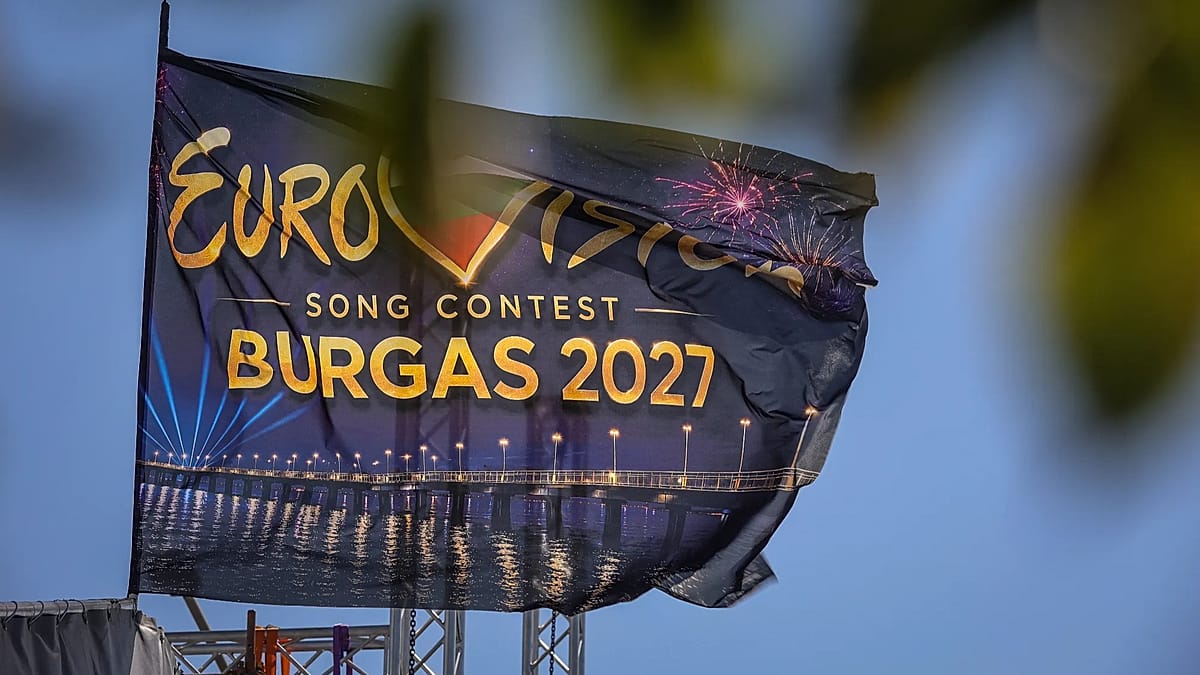
The boycott is no longer confined to a single edition. Ireland's RTÉ and the Dutch broadcaster AvroTros have both confirmed they will skip Eurovision 2027, which is scheduled to take place in Bulgaria. RTÉ said participation could not be justified given the "appalling and ongoing loss of lives in Gaza" and a humanitarian crisis that continues to endanger civilians. AvroTros framed its decision around values it said the contest no longer upheld, citing "trustworthiness, independence and humanity."
Eurovision director Martin Green said he regretted RTÉ's position but fully respected the decision — a measured response that nonetheless leaves the EBU managing an unusually public rift among some of its most established members.
The politics behind Spain's stance are well established. Prime Minister Pedro Sánchez has been among the most outspoken critics of Israel's military campaign in Gaza, and his government has consistently aligned itself with Palestinian causes in European and international forums. Madrid's position on Eurovision therefore fits a broader foreign policy posture rather than standing alone.
Casualties and a fragile ceasefire
Gaza's health ministry reports more than 73,000 deaths since the Hamas-led attack on Israel on 7 October 2023 and the subsequent Israeli military operation. Even after a ceasefire reached in October 2025, the ministry says Israeli strikes have killed more than 1,300 people in the territory. The United Nations generally regards the ministry's figures as reliable, though they cannot be independently verified.
For RTVE, the question is partly institutional. López's intervention signals that he wants the broadcaster's board to formalise a position rather than let the withdrawal drift into an ambiguous, year-by-year arrangement. That would give Spain a clearer diplomatic line — and sharpen the contrast with delegations still preparing to travel to Bulgaria.
The dispute also sits within a wider European conversation about how cultural institutions should respond to armed conflict. The United Kingdom has its own Eurovision troubles: MPs are examining the country's recent decline in the contest, a debate that touches on funding, public interest and the politics of selection.
Whether other broadcasters follow Spain's lead remains open. The EBU has so far given no indication that it intends to revisit Israel's eligibility, and the contest's organisers are likely to press ahead with preparations for Bulgaria. But with three national broadcasters already committed to staying away, Eurovision's claim to be a unifying, apolitical spectacle is being tested in ways it has rarely faced before.