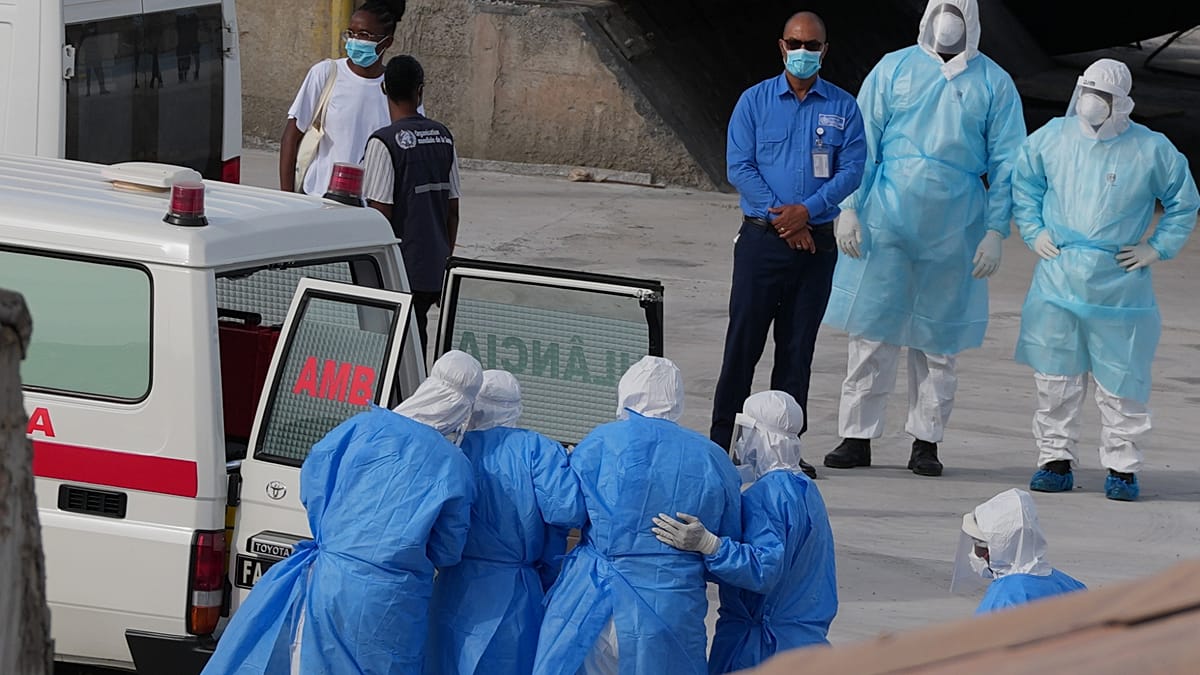
Russia has pushed back against international calls for transparency following the death of a laboratory technician from plague in Siberia, as reports emerged of a second suspected infection. The Kremlin and the country's public health watchdog maintain that there is no broader threat, but the incident has reignited concerns about Moscow's willingness to share critical health data.
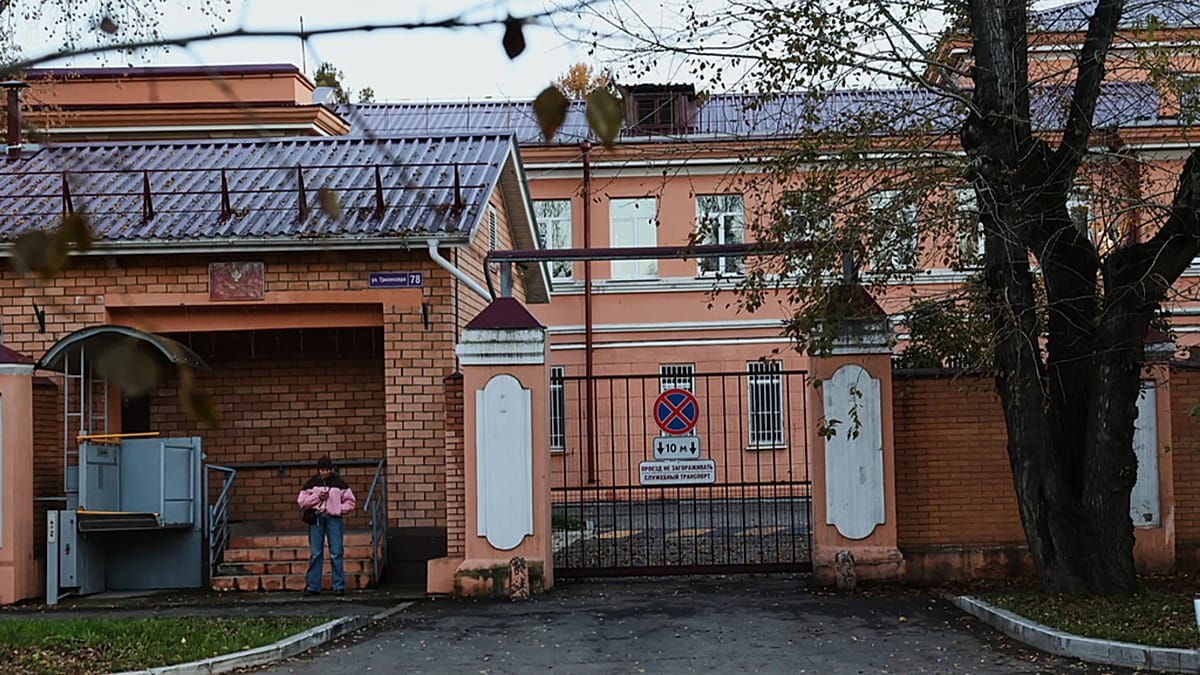
The 28-year-old researcher, identified as Darya Shipilova, died last week in Shelekhov, a town near Irkutsk in eastern Siberia. She had been employed at the Irkutsk Anti-Plague Research Institute, a facility that studies some of the world's most dangerous pathogens. Rospotrebnadzor, Russia's consumer safety and public health agency, said on Wednesday that Shipilova had been vaccinated and had immunity to the infections she worked with, and that nearly 5,000 laboratory tests had found no dangerous pathogens. The agency added that more than 90% of people who had come into contact with her had completed medical monitoring.
Despite these assurances, the Kremlin's spokesman, Dmitry Peskov, dismissed reports of a second suspected plague case as "false information," telling journalists that "the overwhelming majority" of media coverage on the situation was inaccurate. He urged citizens to rely solely on official statements from Rospotrebnadzor.
International pressure mounts
The incident has drawn attention beyond Russia's borders. US President Donald Trump was scheduled to speak with his Russian counterpart Vladimir Putin on Wednesday to discuss the matter, and Washington has formally requested additional information from Moscow through a diplomatic demarche. A US State Department spokesperson confirmed that the request had been made, adding that the US was also in contact with other countries to share information.
Peskov, however, said he had no knowledge of any official US complaint. The World Health Organization's director-general, Tedros Adhanom Ghebreyesus, called on Moscow to clarify the situation, stressing that "timely, complete and transparent information-sharing in line with the International Health Regulations is critical." The WHO had previously assessed the risk of the outbreak spreading beyond Russia as "very low," citing the country's reduced international connectivity due to sanctions and the ongoing war in Ukraine.
The Irkutsk region is known to have natural foci of plague among wild animals, and the institute studies dangerous pathogens. Pneumonic plague, the most severe form of the disease, affects the lungs and can spread from person to person through airborne droplets, with an incubation period as short as 24 hours. Without prompt treatment, it can be fatal, but early diagnosis and antibiotics greatly improve survival chances. Symptoms include shortness of breath, coughing, and blood-streaked sputum. The more common bubonic plague, transmitted by flea bites, can cause purulent ulcers.
For residents of Irkutsk, the news has stirred unease. Local authorities have sought to reassure the public, but the lack of detailed information has fueled speculation. The episode also comes amid broader concerns about Russia's handling of health emergencies and its willingness to cooperate with international bodies.
This is not the first time Moscow has faced scrutiny over health data. During the COVID-19 pandemic, Russian officials were accused of underreporting cases and deaths. The current situation echoes those concerns, with the Kremlin dismissing media reports and insisting that official channels are the only reliable source.
As the world watches, the key question remains whether Russia will provide the full picture. The WHO's call for transparency is unlikely to be the last, especially if further cases emerge. For now, Moscow's stance appears to be one of denial and deflection, leaving international health authorities and the public in the dark.