A wave of Russian drones struck multiple Ukrainian cities on Friday, 27 September, killing at least 14 people and wounding 57 others, according to Ukrainian officials. The attacks targeted the capital Kyiv and the southern port city of Odesa, damaging schools, hospitals, and key infrastructure in what appears to be one of the most intense aerial assaults in recent weeks.
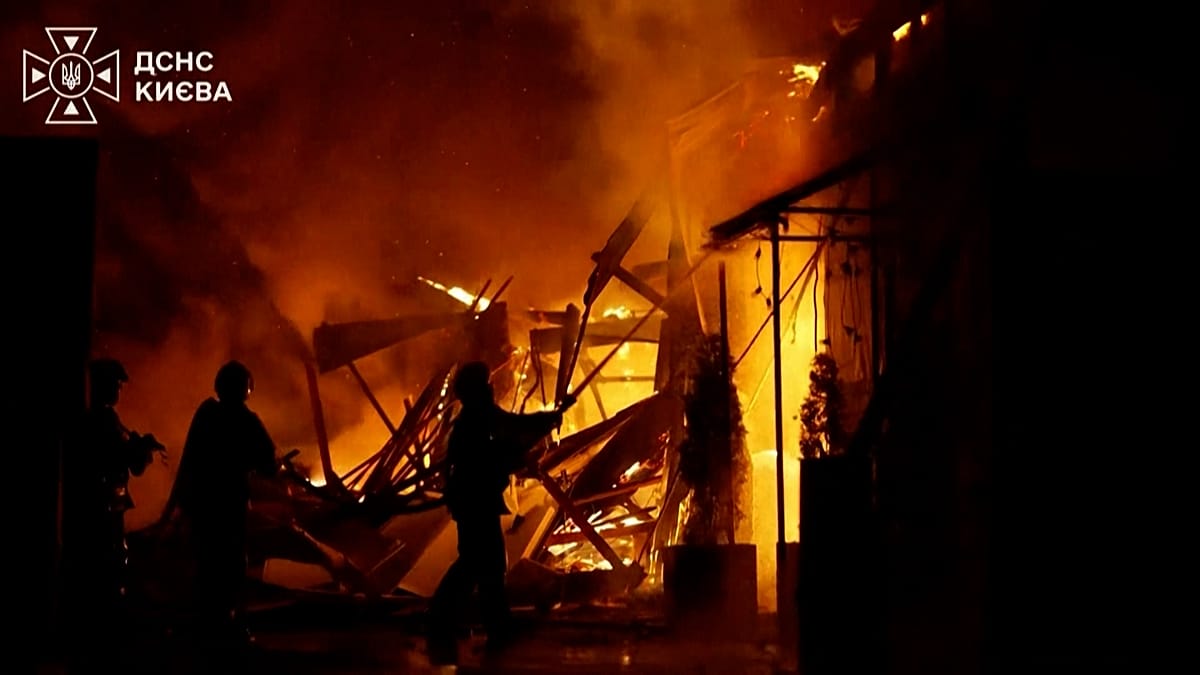
In Kyiv, explosions echoed across several districts in the early hours as air defence systems engaged incoming drones. Debris from intercepted drones fell onto residential areas, sparking fires and damaging buildings. Local authorities reported that at least three people were killed in the capital, with dozens more injured, including children. Emergency services worked through the morning to extinguish blazes and rescue residents trapped under rubble.
Odesa, a crucial hub for grain exports and a frequent target of Russian strikes, suffered significant damage to port infrastructure and civilian facilities. Regional governor Oleh Kiper said that drones struck a logistics depot and a residential neighbourhood, killing at least five people and injuring many others. The attacks disrupted power and water supplies in parts of the city, complicating rescue efforts.
The Ukrainian air force reported that Russia launched over 70 drones and several missiles overnight, with most of the drones intercepted. However, the sheer volume overwhelmed defences in some areas, allowing strikes to get through. The attacks come as Ukraine continues to press Western allies for more advanced air-defence systems and long-range weapons to counter Russian tactics.
Civilian toll and infrastructure damage
The human cost of the assault was stark. In Kyiv, a school and a medical clinic were hit, forcing patients to be evacuated. In Odesa, a hospital's maternity wing sustained damage, though staff managed to move newborns to safety. The UN's humanitarian coordinator in Ukraine condemned the strikes, noting that attacks on civilian infrastructure violate international law.
Ukrainian President Volodymyr Zelenskyy condemned the attacks, vowing that Russia would be held accountable. "Every drone, every missile that strikes our cities only strengthens our resolve," he said in a statement. "We will not be broken by terror."
The strikes also disrupted energy infrastructure, with Ukraine's national grid operator Ukrenergo reporting emergency outages in several regions. Engineers were dispatched to repair damaged substations, but rolling blackouts were expected in the coming days. This latest assault underscores the vulnerability of Ukraine's energy system, which has been a persistent target of Russian attacks since the start of the full-scale invasion.
The attacks come as European defence ministers are meeting in Brussels to discuss Ukraine's funding shortfall and military needs. The EU has pledged continued support, but disagreements over financing and arms deliveries have slowed progress. Meanwhile, EU ministers are seeking a joint response to Russian hybrid sabotage, which includes drone and cyber attacks on European soil.
The timing of the drone barrage is significant, as it follows a period of relative calm in the skies over Kyiv. Analysts suggest Russia may be escalating its aerial campaign to pressure Ukraine and its allies ahead of winter, when energy demands rise. The strikes also coincide with Russia's decision to raise taxes on its citizens and firms to fund the war, indicating a long-term commitment to the conflict.
In Odesa, the damage to port infrastructure raises concerns about grain exports, a vital source of revenue for Ukraine and a key element of global food security. The UN-brokered Black Sea Grain Initiative collapsed last year, and Ukraine has since relied on alternative routes, which are also vulnerable to attack. The latest strikes could further disrupt shipments, affecting global markets.
International reactions were swift. The United States condemned the attacks, with a State Department spokesperson calling them "another brutal reminder of Russia's disregard for human life." The UK's Foreign Office issued a similar statement, urging allies to accelerate military aid to Ukraine. In Brussels, EU foreign policy chief Josep Borrell said the bloc would "not be intimidated" by Russian aggression and reiterated support for Ukraine's self-defence.
As rescue operations continue, Ukrainians are bracing for more attacks. Air raid sirens sounded again in several regions on Saturday morning, though no new strikes were immediately reported. The resilience of the Ukrainian people, tested by nearly three years of war, remains unbroken, but the toll on civilians is mounting.
The drone barrage on 27 September is a stark reminder of the ongoing human cost of the conflict. With winter approaching, the need for sustained international support is more critical than ever. European leaders, meeting in Brussels, face the challenge of turning promises into concrete action to help Ukraine defend its skies and its people.