On 16 July 2026, Russian missiles struck the Ukrainian capital, Kyiv, killing two people and wounding five others, among them a child. The attack, which hit residential areas, marks another escalation in the Kremlin's campaign against civilian infrastructure and population centres.
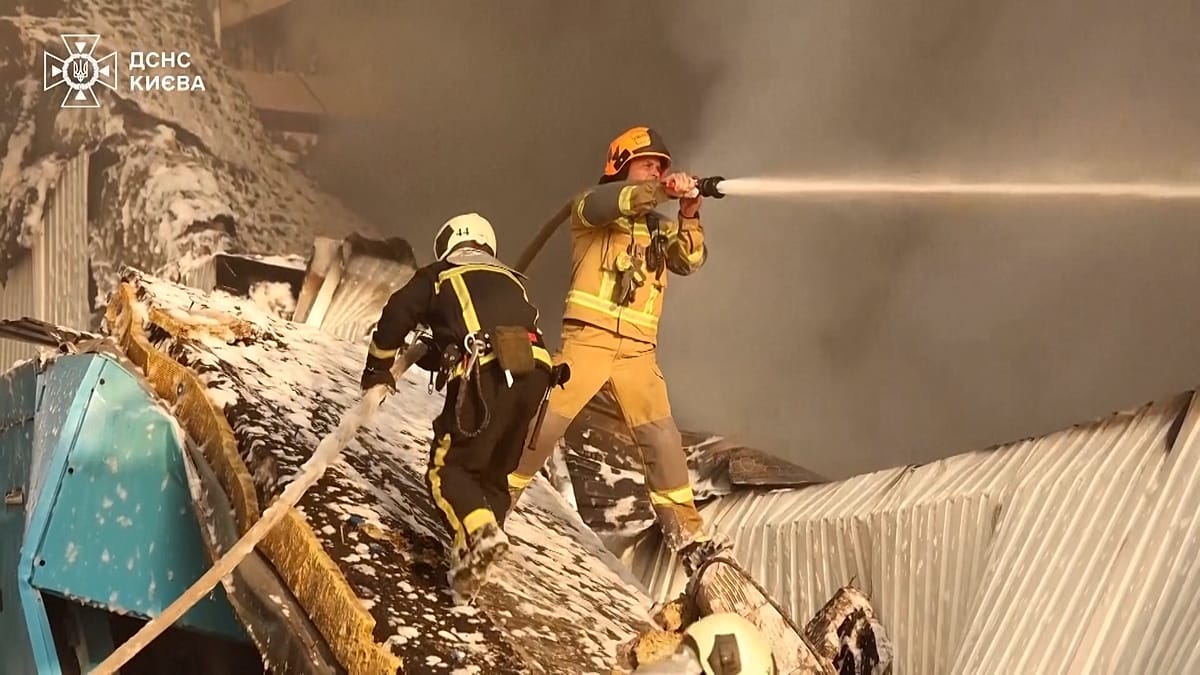
Local authorities confirmed that the strike occurred in the early hours of the morning, catching many residents off guard. Emergency services rushed to the scene, and the wounded were transported to nearby hospitals. The child injured in the attack is reported to be in stable condition.
Continuing Assault on Kyiv
This latest barrage follows a pattern of intensified Russian missile and drone attacks on Kyiv and other Ukrainian cities. Just days earlier, a similar Russian missile and drone barrage killed one person and wounded 16 in the capital. The frequency of these strikes has raised concerns about the effectiveness of Ukraine's air defence systems, which have been strained by repeated assaults.
Ukraine's military reported that several missiles were intercepted, but debris and falling fragments caused casualties and damage on the ground. The attack also disrupted power and water supplies in some districts, though services were quickly restored.
Broader Context of the War
The strike comes amid a broader escalation in the conflict. Ukraine has recently launched its own offensives, including a large-scale drone attack on Moscow, as reported in Ukraine Launches 400 Drones at Moscow. Meanwhile, Russian forces have continued to target Ukrainian logistics hubs and energy infrastructure, leading to widespread blackouts and civilian casualties.
Political turmoil in Ukraine has also grown, with internal debates over military strategy and international aid. The European Union has struggled to maintain a unified stance, as member states like Greece blocked EU sanctions on Russian LNG, demanding transit exemptions. This fragmentation complicates efforts to support Ukraine effectively.
International Reactions
The international community has condemned the attack. The United Nations called for an immediate halt to strikes on civilian areas, while the European Commission reiterated its support for Ukraine's self-defence. However, diplomatic efforts to de-escalate the conflict remain stalled, with no peace talks in sight.
In the United States, political dynamics have shifted as the country prepares for a new administration. The recent US strikes on Iran have diverted attention and resources away from the Ukraine conflict, raising questions about future American military aid. Meanwhile, the UK is preparing for a new prime minister, adding another layer of uncertainty to Western support for Kyiv.
Human Cost
Behind the statistics are real human tragedies. The two victims in Kyiv were civilians going about their daily lives. The wounded child, whose name has not been released, represents the innocent toll of a war that shows no signs of abating. Local hospitals have been overwhelmed, and volunteers have stepped in to provide aid and comfort to affected families.
As the war enters its third year, the resilience of Ukrainians remains remarkable, but the cumulative effect of constant attacks is taking a psychological and physical toll. The international community must weigh its responses carefully, balancing the need for decisive action with the risks of further escalation.