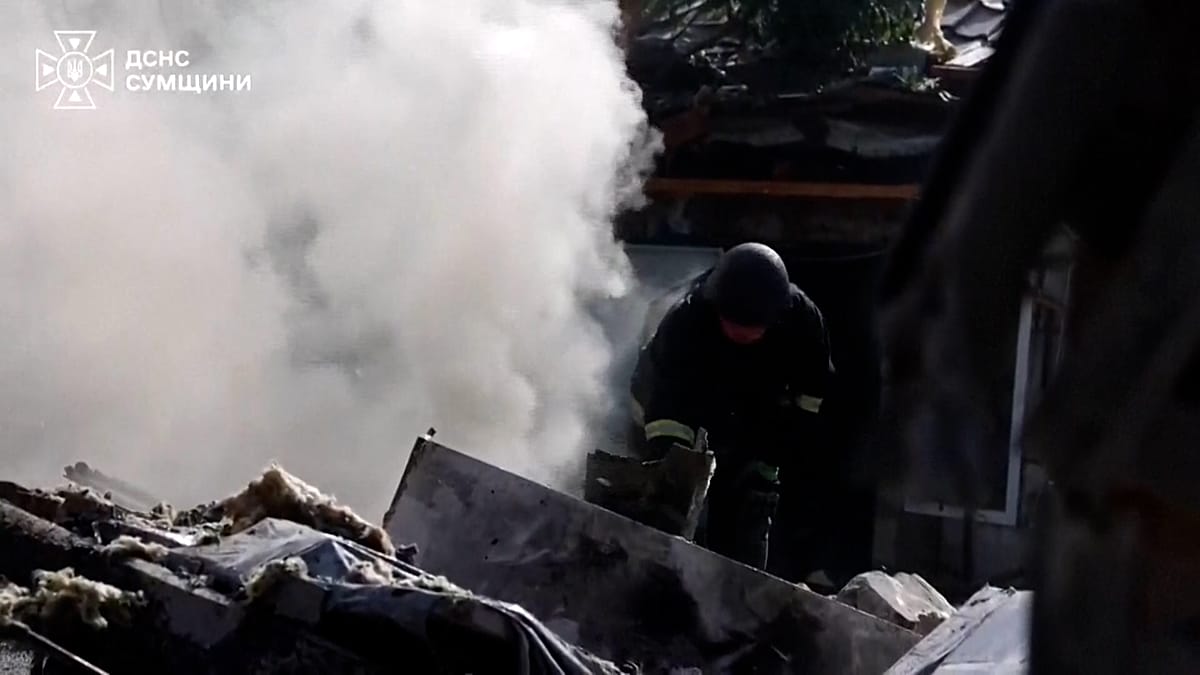
Russian forces launched fresh attacks on the Ukrainian cities of Odesa and Sumy on Monday, 16 September, according to Ukrainian emergency services and local officials. The strikes sparked fires and caused damage to residential buildings and other infrastructure, with reports of casualties still being confirmed.
Odesa under fire
In Odesa, the southern port city on the Black Sea, several explosions were heard in the early hours. Regional governor Oleh Kiper said that debris from intercepted missiles and drones fell on residential areas, setting buildings ablaze. Emergency crews worked through the morning to extinguish the fires and search for survivors under the rubble.
Local authorities reported that at least two people were injured in the Odesa attacks, and several apartment blocks sustained significant damage. Windows were blown out and balconies collapsed in some districts, leaving residents without shelter. The city's mayor, Hennadii Trukhanov, urged residents to stay in shelters and follow air-raid alerts.
The strikes on Odesa come amid a broader pattern of Russian attacks on Ukraine's port infrastructure, which has been a key export route for grain and other goods. The repeated targeting of such facilities has raised concerns about global food security, a topic that has been central to discussions between Kyiv and its European allies.
Sumy hit in the northeast
In Sumy, a city near the border with Russia in northeastern Ukraine, a Russian drone attack caused a large fire at an industrial facility, according to the regional military administration. The blaze sent thick black smoke into the sky and could be seen from several kilometres away. Emergency services said that no immediate casualties were reported, but the fire was still being brought under control.
Sumy has been a frequent target of Russian cross-border strikes, often using drones launched from Russian territory or from Belarus. The attacks have intensified in recent weeks, with local officials reporting daily air-raid alerts and intermittent shelling.
Ukrainian President Volodymyr Zelenskyy has repeatedly called on Western partners to provide more air defence systems and long-range weapons to counter these attacks. In his nightly address, he said that every strike on civilian infrastructure strengthens Ukraine's resolve to defend itself and to seek justice for the crimes committed.
European response and context
The renewed attacks come as European leaders debate how to sustain support for Ukraine. European Commission President Ursula von der Leyen, in her recent State of the Union address, highlighted the need for continued military and financial aid, as well as a unified stance on migration, defence, and Ukraine. The EU has pledged billions in support, but questions remain about the pace and scale of deliveries.
Meanwhile, the human cost of the war continues to mount. Just days earlier, a Russian drone strike killed five civilians on a bus in southern Ukraine, underscoring the indiscriminate nature of the attacks. In the east, Ukrainian forces have been counterattacking near Lyman, trying to regain territory and push back Russian lines.
The situation in the Black Sea region also has broader implications for NATO and the EU. Belarus has re-emerged as a launchpad for Russian drone strikes, raising concerns about the security of NATO's eastern flank. Romanian President Klaus Iohannis has warned that the war could last another two years, urging allies to prepare for a prolonged conflict.
As the attacks on Odesa and Sumy demonstrate, the war remains as intense as ever, with civilians bearing the brunt of the violence. The international community, particularly Europe, faces a critical test of its resolve to stand by Ukraine in the face of ongoing aggression.