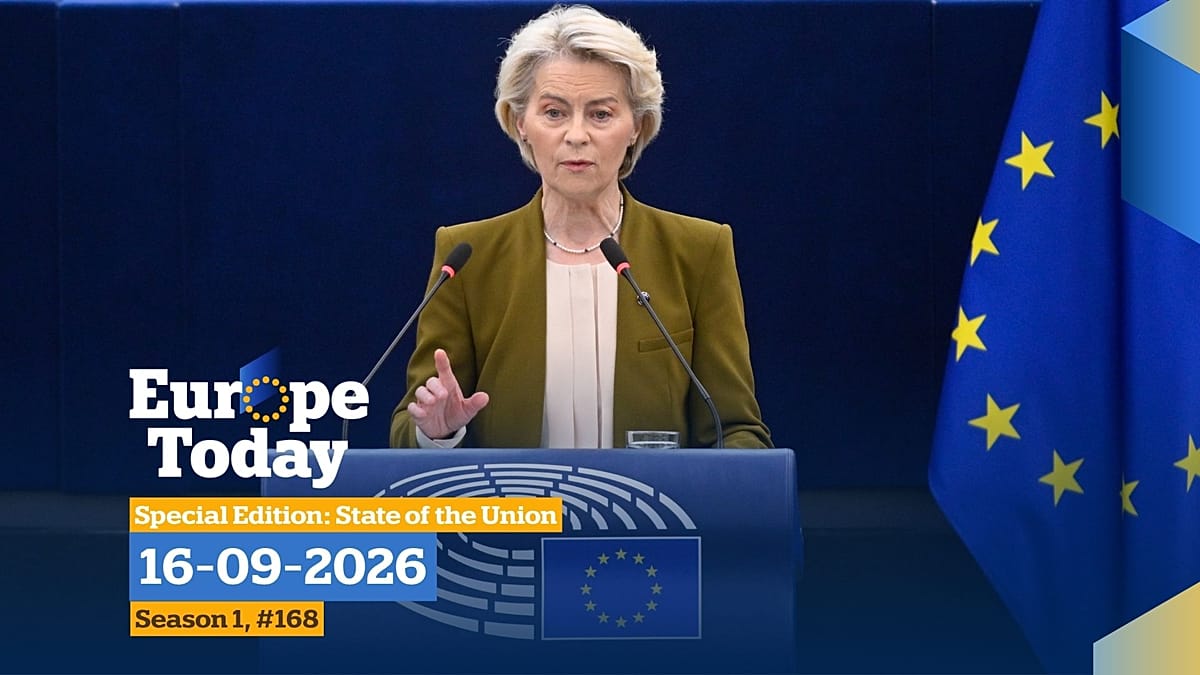
Strasbourg, 13 September 2026 – Ursula von der Leyen stepped before the European Parliament today to deliver her annual State of the Union address, a speech that arrives at a moment of acute pressure for the Union. With war on its eastern flank, migration strains in the south, and a rapidly shifting transatlantic relationship, the Commission president sought to frame a coherent vision for the next year.
In her address, von der Leyen acknowledged the scale of the challenges, saying that Europe must "stand firm in its values while adapting to a world that no longer takes our unity for granted." She outlined priorities ranging from bolstering defence capabilities to reforming migration policy, and reaffirmed unwavering support for Ukraine.
Migration: a test of solidarity
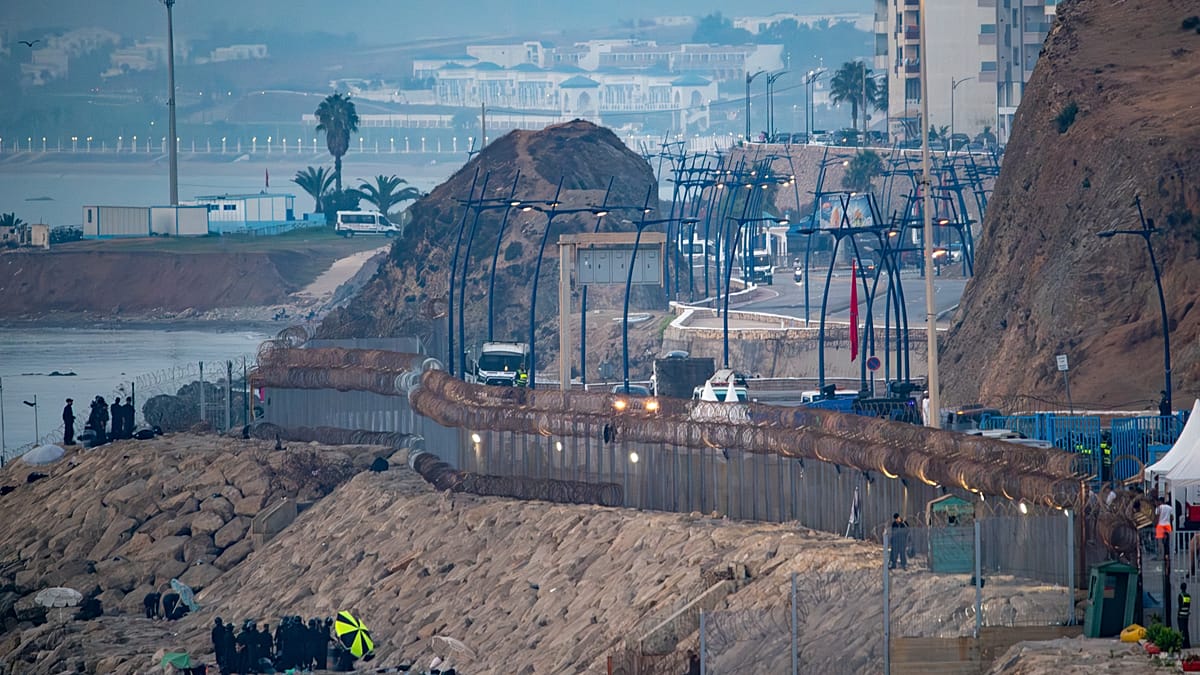
Migration remains one of the most divisive files in the Union. Vincenzo Genovese, reporting from the ground, noted that arrivals along the Central Mediterranean route have surged again this summer, putting renewed pressure on Italy, Greece, and Spain. Von der Leyen proposed a new pact on returns and legal pathways, but MEPs from across the spectrum reacted cautiously. Charlie Weimers of the European Conservatives and Reformists called the proposals "too little, too late," while Sergei Lagodinski of the Greens/EFA warned against "a race to the bottom on human rights."
The debate reflects a deeper tension between member states. While Germany and France have pushed for more burden-sharing, countries like Poland and Hungary have resisted mandatory relocation schemes. The Commission's plan aims to balance these interests, but as our analysis shows, the gap between rhetoric and implementation remains wide.
Defence and the war in Ukraine
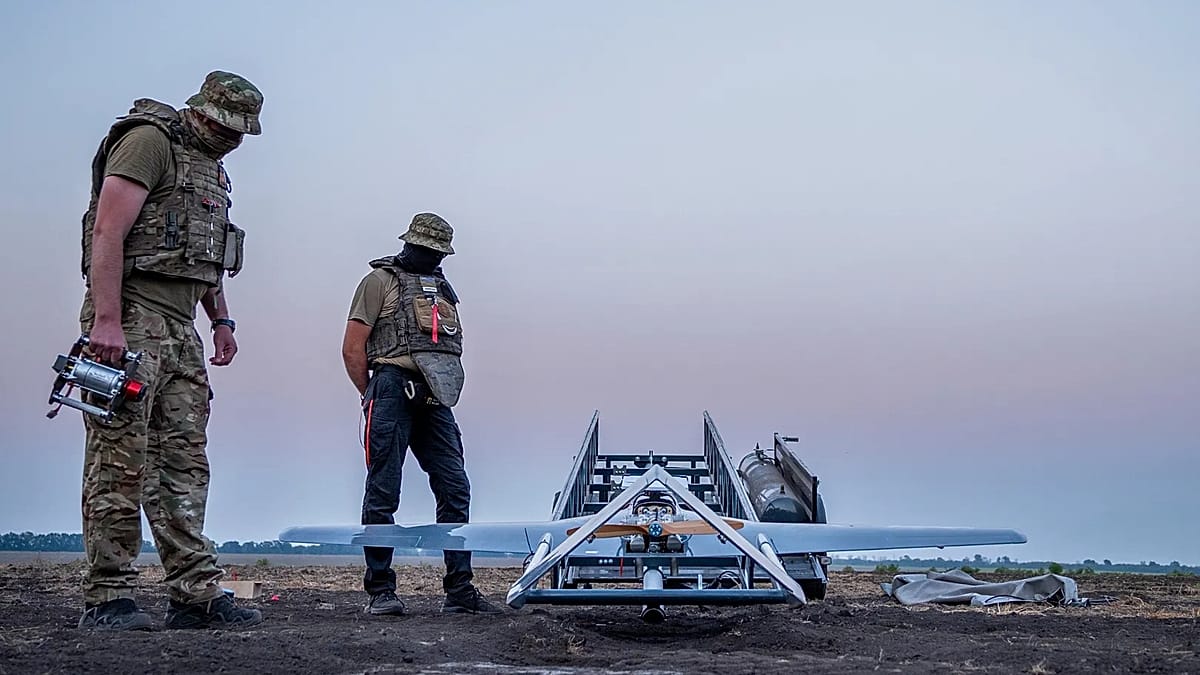
On defence, von der Leyen called for a "European defence union" that would complement NATO, echoing recent calls from French President Emmanuel Macron and others. Angela Skujins explored the challenges ahead: fragmented procurement, underinvestment in key capabilities, and the urgent need to replenish stocks depleted by support to Kyiv. The EU has pledged billions in military aid to Ukraine, but questions persist about sustainability and coordination.
Jakub Janas broke down the gap between what von der Leyen promised in her 2025 address and the reality in 2026. While some initiatives, like the European Defence Fund, have progressed, others, such as the digital wallet rollout, have lagged significantly. As our report shows, 24 of 27 member states missed the deadline for the EU digital wallet, a symbol of the implementation gap that plagues many flagship projects.
Ukraine: a long-term commitment
Sasha Vakulina examined how the ongoing war continues to shape EU decision-making. Von der Leyen reiterated that the Union's support for Ukraine is "not negotiable," but she also hinted at the need for a more strategic approach, including reconstruction financing and security guarantees. The EU has already provided over €100 billion in assistance, yet the political landscape is shifting. With elections in several member states next year, leaders are wary of voter fatigue.
Former European Council President Charles Michel, in an interview with our team, stressed that "Ukraine's future is Europe's future," but warned that the EU must "communicate more effectively" the stakes involved. MEP Bernd Lange of the Socialists and Democrats echoed this, calling for a "Marshall Plan for Ukraine" that would also benefit European economies.
Digital and tech: a competitive edge
Luca Bertuzzi reported on artificial intelligence and social media policies, areas where the EU has sought to lead globally. Von der Leyen announced a new AI innovation fund and promised to enforce the Digital Services Act more rigorously. However, critics argue that the EU is falling behind the US and China in AI development. The recent push for space autonomy is part of a broader effort to reduce strategic dependencies, but progress remains slow.
Reactions and outlook
MEPs from various groups offered mixed reactions. Nicolas Herbst of the European People's Party praised the "ambition" of the speech, while others demanded more concrete action. The coming months will test whether von der Leyen's words translate into legislative reality. As our year-on review shows, the record is mixed.
For now, the State of the Union has set the agenda. But as the EU faces a volatile world, the real challenge lies in execution. The Union's ability to act collectively will define its role in the coming decade.