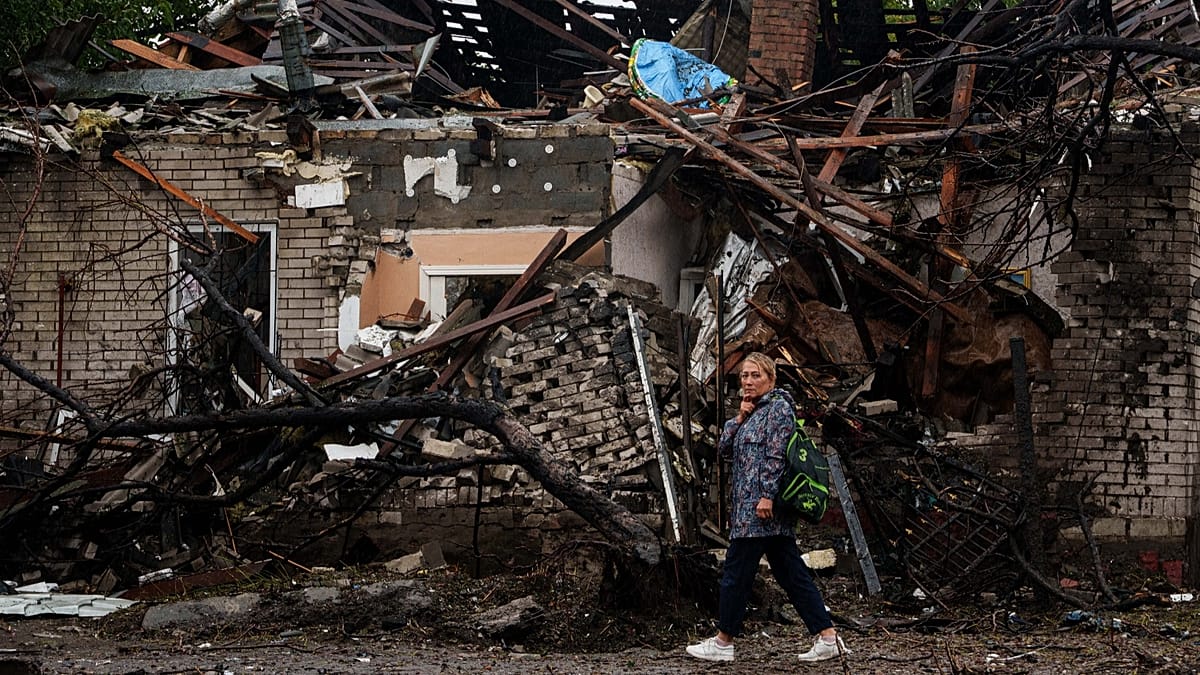
A fresh wave of Russian drone and missile strikes hit Ukraine on Thursday, killing at least eight people, including six agricultural workers in the eastern Kharkiv region and two in the capital, Kyiv. The attacks, which triggered air raid sirens and sent residents scrambling for shelter, came as both Kyiv and Moscow signaled no let-up in their long-range campaigns, dimming hopes for a diplomatic breakthrough in Europe's largest conflict since World War II.
Ukrainian President Volodymyr Zelenskyy, in New York to rally Western support for tougher sanctions, accused Moscow of deliberately targeting civilian infrastructure. The strikes follow a pattern of escalating attacks on Ukrainian cities, with Kyiv facing particularly intense drone barrages in recent days.
Winter contingency plans
The intensifying attacks have prompted Kyiv residents to consider contingency plans for the winter, fearing that Russian strikes could once again cripple the energy system essential for heating during sub-zero temperatures. Emergency services in the capital reported burnt-out cars and smoldering buildings after early morning strikes that included powerful ballistic missiles.
Prime Minister Sergiy Koretsky confirmed at least two deaths in Kyiv. In the Kharkiv region, the regional prosecutor's office released images showing a destroyed warehouse in the Chuguiv district, southeast of Kharkiv, where employees were sorting vegetables when the strike hit. Piles of apples lay strewn on the floor beneath a gaping hole in the roof.
Preliminary data indicated the use of a small-sized cruise missile known as 'Banderol', a low-cost hybrid weapon combining characteristics of a cruise missile and an attack drone. The Russian military has deployed these weapons on a large scale, notably to overwhelm Ukrainian air defenses. Governor Oleg Synegubov reported that eight settlements in the region had been attacked in the last 24 hours.
In and around the Black Sea port of Odesa, officials said Russian strikes caused a fire at a shopping mall and damaged houses and businesses. The attacks came a day after a series of Russian strikes killed at least seven people in Ukraine and sparked fires in Kyiv.
The capital, home to some three million people, has been the target of particularly intense drone attacks in recent days, hitting petrol stations and the rail network. The Nova Post postal and courier company said one of its branches was destroyed and its sorting depot damaged in Thursday's strikes.
An analysis by AFP of data from the ACLED armed conflict monitor showed that there were more Russian strikes on the Kyiv region in the first 18 days of September than in any full month since the start of the war, apart from March 2022.
Zelenskyy met NATO Secretary General Mark Rutte in New York to brief him on the latest security situation and renewed his push for US-made interceptors against ballistic missiles and tougher sanctions on Russia. US Secretary of State Marco Rubio has urged both sides not to target each other's energy sector.
But Russia's Foreign Minister Sergei Lavrov said on Wednesday there would be no "pause" in the war, while Zelenskyy warned that Moscow would leave Kyiv "no choice" but to respond in kind if the Kremlin again weaponised the region's brutal winter with attacks on energy facilities. The recent drone barrage in Kyiv underscores the urgency of these concerns.
As the conflict grinds on, European security remains fragile, with Danish intelligence assessing that a Russian attack on NATO is unlikely but possible. Meanwhile, a Russian Mi-8 helicopter briefly violated Polish airspace near Kaliningrad, adding to tensions. The energy expert's warning about rising prices also highlights the broader economic impact of the conflict on the continent.