This week, Europe's strategic focus is split between the battlefields of Ukraine and the political turmoil in Madrid. In Berlin, defence ministers from the continent's five largest military powers — Germany, France, the United Kingdom, Italy, and Poland — convened to coordinate the next phase of military aid for Kyiv and to explore additional sanctions against Moscow. The meeting comes as Ukraine continues to degrade Russian logistics, most recently by destroying a key railway bridge in Crimea, a strike that further complicates Moscow's supply lines.
Berlin Talks: More Than Rhetoric
The gathering in the German capital is not merely symbolic. With the war entering its third year, European allies are under pressure to sustain and increase deliveries of artillery shells, air defence systems, and long-range strike capabilities. The UK, which has been one of Ukraine's most vocal backers, is expected to push for a faster timeline on training and equipping Ukrainian pilots for F-16 operations. Poland, meanwhile, is advocating for a more aggressive sanctions regime targeting Russian energy exports and financial networks.
Yet the unity on display in Berlin masks underlying tensions. The European Union's executive arm in Brussels recently warned that the ongoing dispute between Warsaw and Kyiv over grain exports risks playing directly into Vladimir Putin's hands. The spat, which has seen Poland temporarily ban Ukrainian grain imports to protect its own farmers, has become a sore point in an otherwise robust alliance.
Separately, the United States and Iran are holding talks in Switzerland, a development that European capitals are watching closely. Any potential US-Iran deal could affect oil prices and, by extension, the effectiveness of Western sanctions on Russia, which rely in part on limiting Tehran's ability to supply drones and other military hardware to Moscow.
Spain's Political Storm
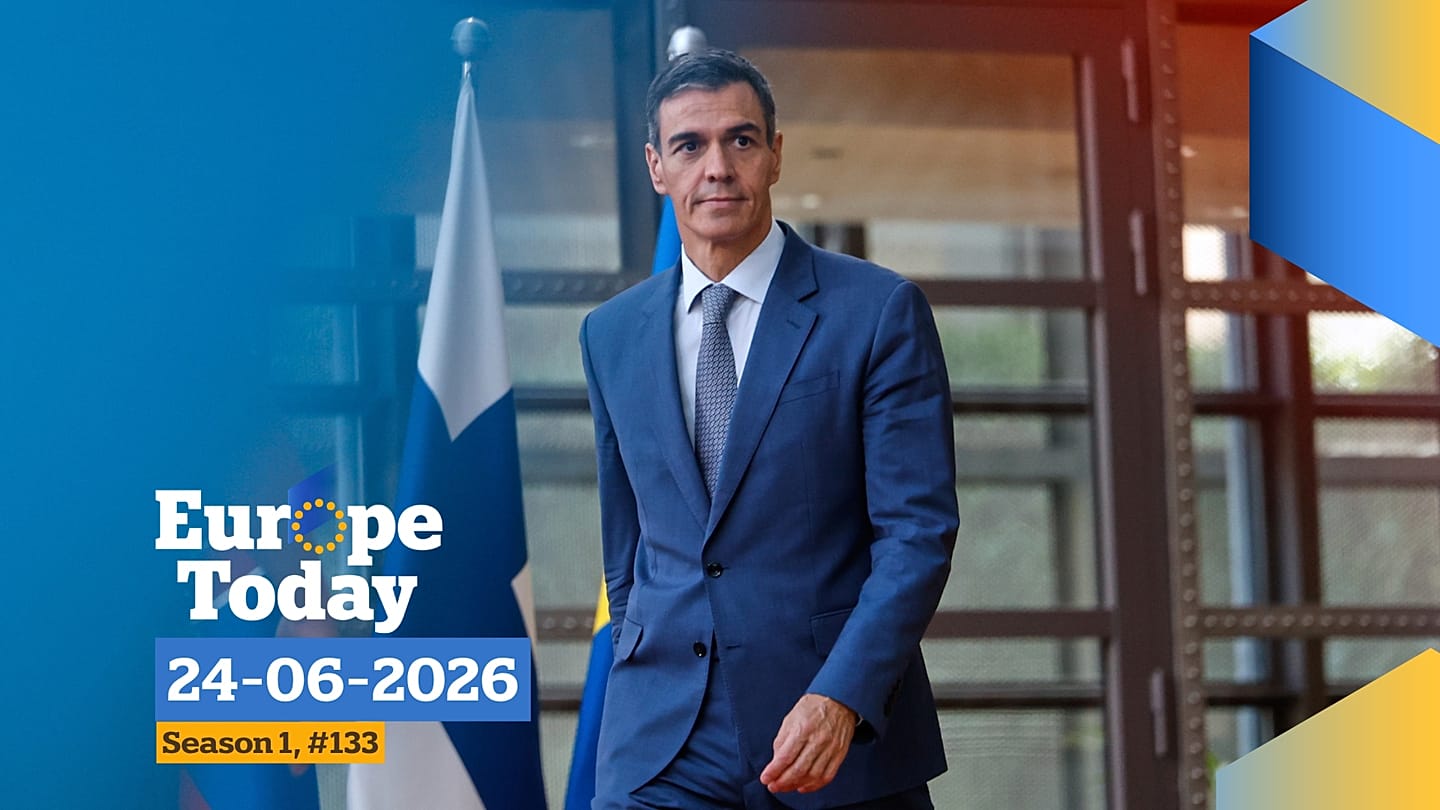
Back in Madrid, Prime Minister Pedro Sánchez is fighting a different kind of battle. A widening corruption scandal involving his Socialist Party and its coalition partners has dominated headlines for weeks. The affair, which centres on alleged kickbacks in public procurement contracts, has prompted opposition calls for Sánchez to resign. The prime minister has denied any wrongdoing and insists he will serve out his term, but the political damage is mounting.
The scandal has also exposed fractures within Spain's coalition government. The far-left Unidas Podemos, which shares power with Sánchez's Socialists, has distanced itself from the allegations, while Catalan and Basque nationalist parties — whose parliamentary support Sánchez relies on — are demanding greater transparency. The situation is particularly delicate given that Spain holds the rotating presidency of the Council of the European Union until the end of the year, a role that requires political stability at home.
For now, Sánchez appears determined to weather the storm. But with the opposition preparing a no-confidence motion and the judiciary launching formal investigations, the coming weeks will test both his leadership and the resilience of Spain's coalition model.
Elsewhere in Europe, the cultural front also saw a flashpoint this week. Russian activists from Pussy Riot and FEMEN protested Russia's return to the Venice Biennale, arguing that Moscow's cultural diplomacy should not be normalised while the war in Ukraine continues. The protest underscores a broader debate across European cultural institutions about how to engage with Russian artists and state-sponsored events without lending legitimacy to the Kremlin.
As the continent navigates these overlapping crises — war on its eastern flank, political instability in the south, and cultural reckonings in its artistic capitals — the need for coherent, long-term strategy has never been more apparent. The Berlin meeting may produce new commitments, but the real test will be whether Europe can sustain its resolve through the winter and beyond.