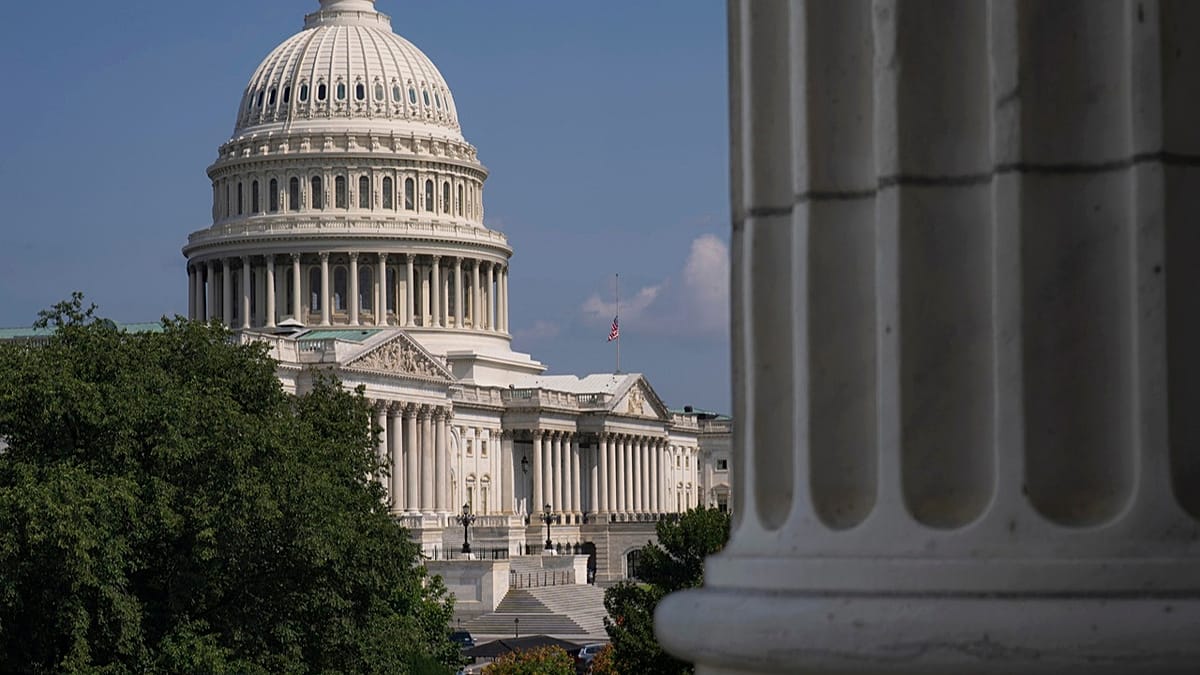
The United States Senate has approved a comprehensive sanctions package aimed at crippling Russia's energy revenues, marking the most significant legislative move against Moscow since the full-scale invasion of Ukraine began. The bipartisan bill, passed by a vote of 86 to 11, targets Russian officials, oligarchs, financial institutions, and the so-called shadow fleet of aging tankers used to evade existing restrictions on oil exports.
The legislation grants President Donald Trump authority to impose tariffs of up to 500% on Russian imports, including oil and gas. It also empowers him to levy tariffs of up to 100% on goods from countries that continue to purchase significant amounts of Russian energy, such as China and India. This provision is designed to pressure not only Russia but also its major trading partners into reducing their financial support for Moscow's war effort.
Expanded sanctions and presidential waiver
Beyond energy, the bill expands sanctions to cover senior Russian political figures, including President Vladimir Putin, and other top officials. It also targets the shadow fleet—older, reflagged tankers that Russia uses to circumvent Western restrictions on its oil trade. The measure includes a waiver authority, allowing the president to lift sanctions if he certifies to Congress that doing so is in the national interest.
The bill now moves to the House of Representatives, where a vote is not expected until at least early September due to the congressional summer recess. President Trump has signaled support for the package, increasing pressure on House leadership to bring it to the floor and send it to the White House for signature.
The Senate's action comes amid ongoing debates in Washington over continued funding and military aid for Ukraine. The sanctions package is named after the late Senator Lindsey Graham, who died on 11 July after spending over a year building support for the measure. Shortly before his death, Graham announced a revised version of the text, which also extends existing sanctions authority aimed at restricting funding for Iran's energy and weapons sectors.
European observers will be watching closely, as the sanctions could have significant implications for the continent's energy security and its diplomatic efforts to maintain a united front against Russia. The EU has already channeled €1.4 billion from frozen Russian assets to Ukraine following recent deadly strikes, and this US move may prompt further coordination among allies.
The bill's passage also comes as Russian drones struck a German-owned cargo ship near Odessa, underscoring the ongoing threat to commercial shipping in the Black Sea. Meanwhile, Ukraine has struck Russian refineries in retaliation for Moscow's continued attacks on civilian infrastructure.
Analysts note that the sanctions' effectiveness will depend on enforcement and international cooperation. The EU has already imposed multiple rounds of sanctions on Russia, but the US move adds a new layer of pressure, particularly on countries like China and India that have increased their purchases of Russian oil.
As the war enters its fourth year, the sanctions package represents a significant shift in the US approach, moving beyond targeted measures to broader economic pressure. Whether it will alter the dynamics of the conflict remains to be seen, but the message from Washington is clear: Russia's energy revenues are a primary target.