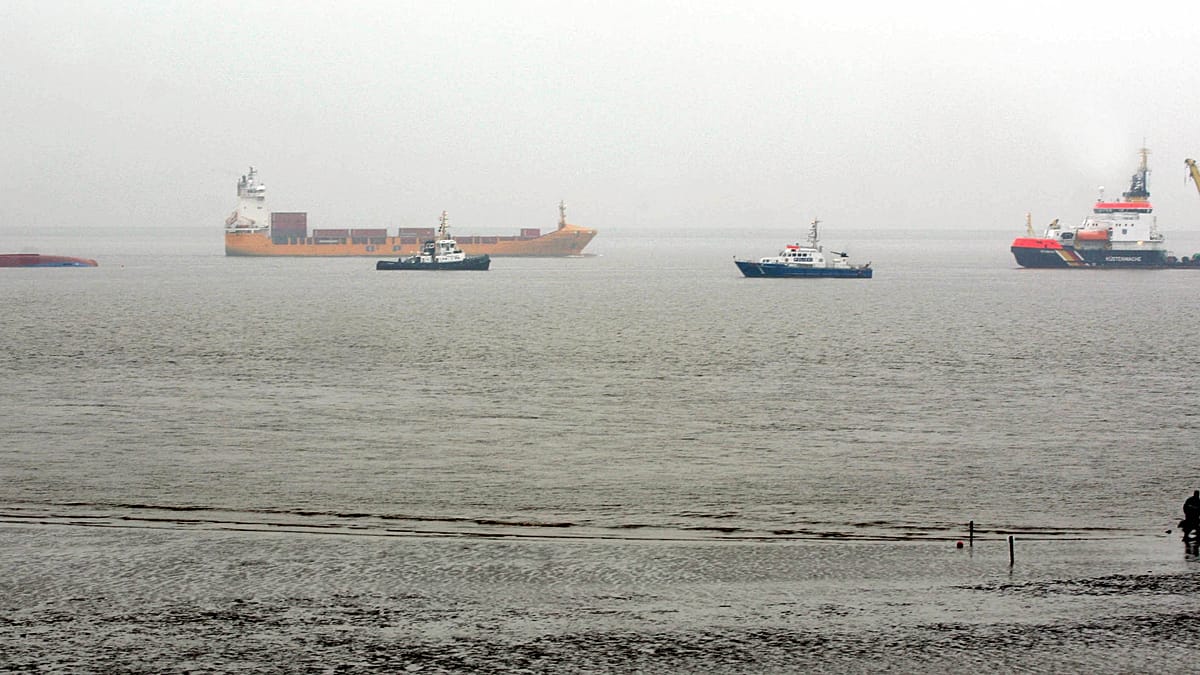
A German-owned cargo vessel came under repeated drone attack in the Black Sea on Wednesday, according to the German daily Bild. The freighter, named EMIL, was hit several times, sparking a fire and knocking out key technical systems, leaving the ship without propulsion or steering.
The attack took place roughly 21 nautical miles south of the Ukrainian port of Odessa. All 11 crew members on board were brought to safety, and none are reported to have been injured. The crew are not German nationals, though the ship is owned by the Hamburg-based shipping company Johann M. K. Blumenthal GmbH & Co. KG. The vessel sails under the Liberian flag.
Russia's defence ministry confirmed the strikes on its Telegram channel, saying that attack drones had targeted two cargo ships in the area overnight. Moscow claimed both vessels were transporting military supplies. The second ship, the grain carrier Mera Queen, which sails under the flag of Guinea-Bissau, was also hit, and one crew member was reportedly killed.
Escalating risk to commercial shipping
This incident underscores the growing danger that Russian forces pose to civilian maritime traffic in the Black Sea, a vital corridor for Ukrainian grain exports and global trade. The region has seen a series of attacks on port infrastructure and vessels since Moscow's full-scale invasion of Ukraine in 2022, despite agreements aimed at keeping shipping lanes open.
The attack on the EMIL comes just days after Ukrainian strikes on Russian refineries and continued Russian bombardment of Ukrainian cities. The European Union has repeatedly condemned such actions and has sought to hold Russia accountable, including by channeling frozen Russian assets to support Ukraine.
For Germany, the attack on a Hamburg-owned vessel is a direct reminder of the conflict's reach. Berlin has been a key military and financial backer of Kyiv, and the incident may intensify calls for stronger protection of commercial shipping in the Black Sea. NATO allies, including Germany's deployment of a brigade to Lithuania, are already bolstering eastern flank defences.
The EMIL's crew were reportedly evacuated while the ship was still under attack, with drones striking again as they were being brought to safety. The vessel is now adrift, and salvage operations are likely to be complicated by the ongoing security risks in the area.
Russia's assertion that the ships were carrying military goods has not been independently verified. Ukrainian officials have previously accused Moscow of using such claims to justify attacks on civilian vessels, which would constitute a violation of international maritime law.
The incident also highlights the broader humanitarian and economic toll of the war. The Black Sea grain corridor is crucial for global food security, and any disruption can have ripple effects on prices and supplies, particularly in vulnerable regions. The European Union has been working to support alternative export routes, but the sea route remains the most efficient.
As the conflict grinds on, the targeting of commercial ships risks further isolating Russia diplomatically. The EU has already imposed extensive sanctions, and this latest attack may prompt additional measures, including stronger naval patrols or enhanced protection for merchant vessels.
For now, the crew of the EMIL are safe, but the ship's fate remains uncertain. The broader question of how to secure the Black Sea for legitimate commerce is likely to feature prominently in upcoming discussions among European leaders and their allies.