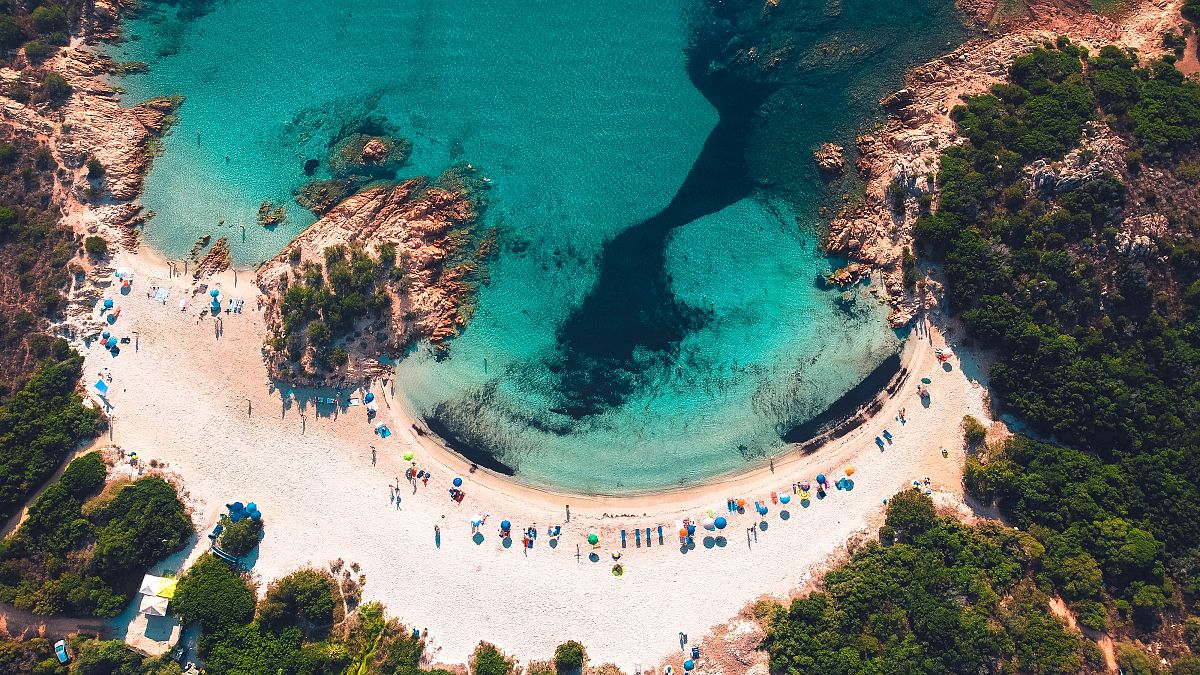
Planning a beach holiday on the Italian island of Sardinia now requires more than just sunscreen and a towel. The region, famous for its turquoise waters and pink sands, has introduced a patchwork of visitor caps, mandatory booking systems, and etiquette rules across its most popular coastal spots. These measures aim to curb overcrowding and protect fragile ecosystems that have suffered from years of heavy tourist pressure.
The island, part of Italy and one of the Mediterranean's most sought-after summer destinations, has seen daily visitor numbers surge past sustainable limits. In response, local authorities have implemented restrictions that vary from beach to beach, often requiring advance reservations and payment. Failure to comply can result in fines ranging from €100 to €3,500.
Pink Sand and Strict Penalties
Perhaps the most famous—and most protected—beach is Spiaggia Rosa on Budelli island, part of the La Maddalena archipelago. Its distinctive pink sand, caused by microscopic organisms, has been a magnet for tourists. But since the mid-1990s, the beach has been closed to the public after visitors began smuggling kilos of sand as souvenirs. Today, walking on the sand can lead to fines exceeding €500, while stealing sand carries penalties up to €3,500. Visitors can only view the beach from boats.
In the same archipelago, Cala Coticcio and Cala Brigantina now allow only 60 visitors per day during summer. Access requires an online booking, a €3 fee, and an authorized guide. This system, introduced in recent years, has helped preserve the beaches' pristine condition.
Booking Systems and Entry Fees Across the Island
Several other beaches have adopted similar models. In the north, Cala Brandinchi and Lu Impostu will cap daily visitors at 1,447 and 3,352 respectively from 1 June to 30 September. Bookings must be made via the San Teodoro app or a dedicated website. At Cala Mariolu, a maximum of 700 people are allowed at any one time between 15 June and 15 September, with an environmental levy of €2–3 depending on arrival method and whether other beaches are visited.
In the southeast, Villasimius has introduced a €10 entry fee for Punta Molentis. At Riu Trottu and Portu Sa Ruxi, car parking costs €10–15, while cyclists and pedestrians pay €3. Staff check tickets at access points. These fees help fund maintenance and conservation efforts.
Towel Bans and Time Limits
On the west coast, Stintino's Pelosa beach now limits daily visitors to 1,500—down from peaks of 4,000 last year. A €3.50 booking fee is required, and a new rule mandates that beach towels must be placed on mats underneath to reduce sand displacement. This regulation will be strictly enforced this summer, with on-the-spot fines of €100 for violations.
In Ogliastra on the east coast, Cala Birìala allows only 300 visitors per day, and those arriving by boat can stay for a maximum of 90 minutes. Similarly, Cala dei Gabbiani caps visitors at 300 with stays limited to 70–90 minutes. These time limits aim to reduce congestion and environmental impact.
Sardinia's approach mirrors broader European efforts to manage overtourism. Venice, for example, has introduced a booking system for day-trippers. As European destinations grapple with balancing tourism revenue and environmental protection, Sardinia's measures offer a case study in localized regulation. The island's rules may seem strict, but they reflect a growing consensus that preserving natural beauty requires active management—and sometimes, a bit of planning.