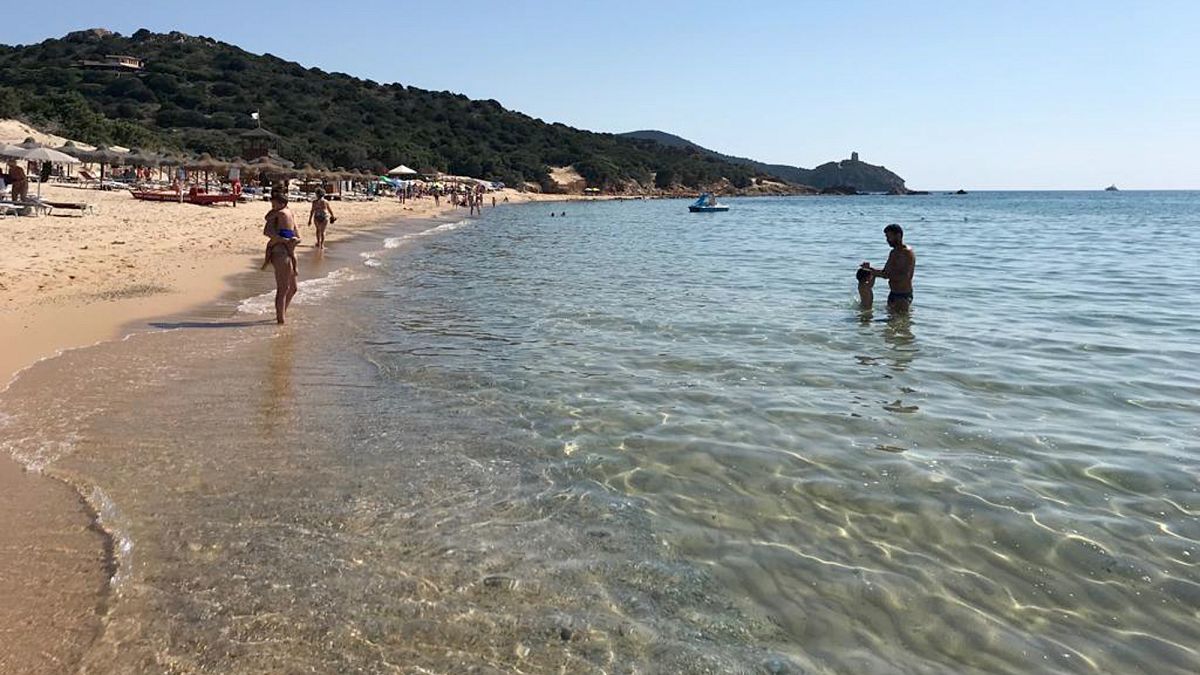
Plans for a luxury glamping site in Sardinia's Tavolara Bay have been halted after the Italian government revoked the special economic zone (ZES) status that would have allowed the project to circumvent strict environmental and landscape regulations. The decision, announced on 2 July by the Department for the South at Palazzo Chigi, marks a victory for local residents and environmental activists who had mobilised against the development.
The project, proposed by Brazilian property developer JHSF under the company Tavolara Bay, aimed to build a "glamour camping" site in Cala Finanza, in the municipality of Loiri Porto San Paolo. The site lies opposite the island of Tavolara, about 20 kilometres south of Porto Rotondo, and is part of a marine protected area where national law imposes an absolute building ban. Additionally, the regional landscape plan, enacted in 2006 by then-president Renato Soru, prohibits any construction within 300 metres of the coast.
How a Special Economic Zone Was Used to Bypass Rules
To get around these restrictions, JHSF applied for ZES status, which simplifies approval procedures for projects deemed economically strategic. The government granted this status on 6 February 2026, but the decision sparked immediate backlash. Civic groups, including WWF, Legambiente, Italia Nostra, the Gruppo di intervento giuridico, Liberu, Rosso Mori, and others, organised protests and rallies across Sardinia.
Mayor Francesco Lai of Loiri Porto San Paolo, who found himself at the centre of the controversy, confirmed the revocation. The project had been compared to an "Albanian-style" scandal, drawing parallels to a controversial resort planned by Donald Trump's son-in-law near Vlorë in Albania.
The regional government of Sardinia, led by President Alessandra Todde, had already filed an appeal with the regional administrative court (TAR) against the ZES approval. The hearing is scheduled for 8 July, and Todde has stated she is prepared to take the case to the Constitutional Court if necessary. The government's green light had only covered a strip of land facing the sea, where the company planned to refurbish an old villa and install around 20 removable cabins, with no increase in total floor space. However, critics argued that using ZES procedures even for this initial phase was extremely serious, as it would have set a precedent for bypassing national and regional environmental protections.
The revocation is a significant win for environmentalists and local communities who have long fought to preserve Sardinia's coastline. The island, known for its pristine beaches and marine ecosystems, has seen increasing pressure from tourism development. Similar tensions have emerged elsewhere in Italy, such as the controversial beach regulations that restrict umbrella use to protect the environment.
The case also highlights broader European debates about the use of special economic zones to fast-track development. While ZES are designed to attract investment and boost economic growth, they can conflict with environmental and cultural preservation. In Sardinia, the regional landscape plan has been a key tool for protecting the coast, but developers have often sought exemptions. The Tavolara Bay project is not the first to test these rules, and the outcome may influence future disputes across the continent.
The Brazilian investor JHSF has not commented on the revocation. The company had positioned the glamping site as a high-end eco-tourism venture, but opponents argued it was a luxury resort in disguise. The project's cancellation is a reminder that even well-financed developments can be stopped when local communities and environmental groups mobilise effectively.
As Europe grapples with the challenges of balancing economic development and environmental protection, the Tavolara Bay case offers a clear example of how civic action can hold governments accountable. The regional government's appeal to the administrative court will be closely watched, as it could set a precedent for how ZES are applied in environmentally sensitive areas.