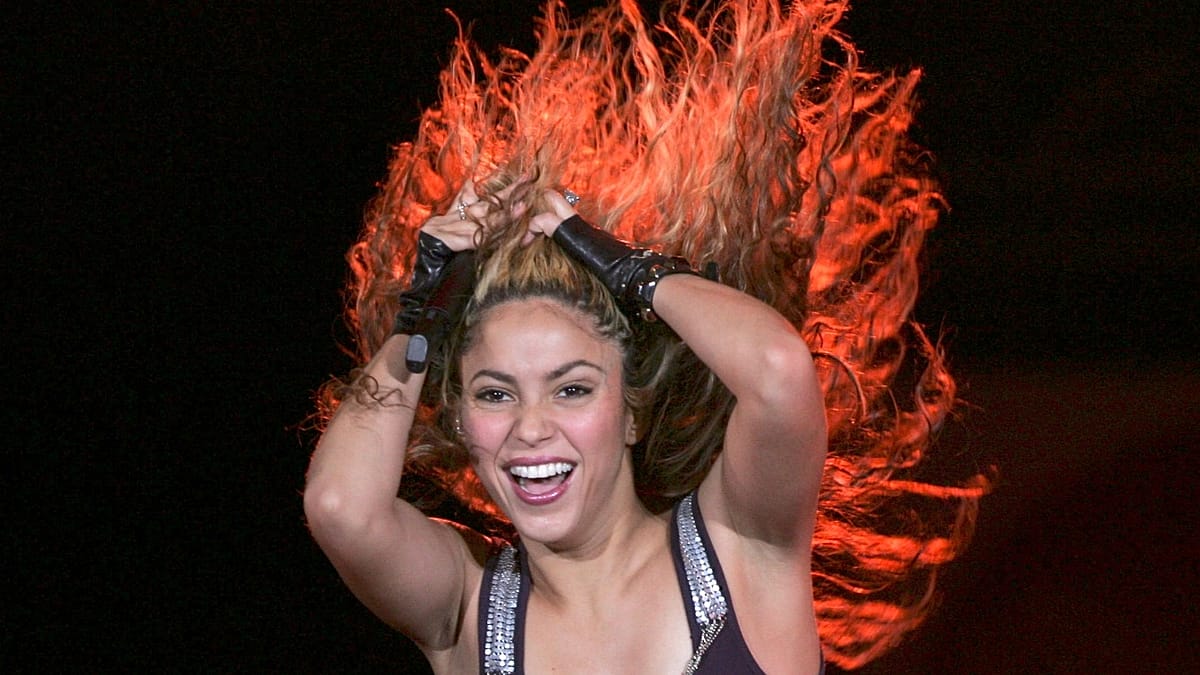
Shakira's concert in Madrid on 3 October has become the most-watched live performance by a female artist on Amazon Music, according to Claire Imoucha, who leads the platform's operations in Spain. The show was carried free of charge across Amazon Music, Prime Video and Twitch, reaching audiences in multiple countries and marking the first time a full Shakira concert has been streamed live worldwide.
The production was assembled over several months by the artist's team, the promoter and Amazon Music, and used roughly twenty cameras alongside drones and a helicopter to capture the performance for a global audience. The scale of the operation reflects both the singer's draw and the platform's ambition to turn live music into a driver of subscriptions and engagement across its services.
Madrid as a Latin music hub
In an interview with RTVE, Imoucha framed the choice of Madrid as deliberate rather than incidental. "Madrid has become the epicentre of Latin music, the bridge between Latin America and Europe," she said, pointing to Shakira's standing in Spain and the size of her residency in the capital as decisive factors.
She added that Latin and Spanish-language music now accounts for 65% of digital consumption in Spain, a share she expects to keep rising. That figure underlines a broader shift in the Spanish market, where domestic and Latin American repertoire has moved from a niche to the mainstream of streaming behaviour.
"Madrid has become the epicentre of Latin music, the bridge between Latin America and Europe." — Claire Imoucha, Amazon Music Spain
The concert forms part of Shakira's Madrid residency tied to the Las Mujeres Ya No Lloran World Tour and the ES Latina initiative, which has brought her to the city repeatedly since September. Her presence sits alongside a wider influx of major Latin artists choosing the Spanish capital for extended runs, reinforcing Madrid's push to host international-scale shows and capture the touring economy that comes with them.
A city balancing culture and pressure
Madrid's cultural calendar has become a central part of its identity, drawing visitors and investment. At the same time, the city is contending with social strains that have surfaced repeatedly in recent months, including protests over housing and evictions that have put the cost of living in the capital under scrutiny.
The streaming record also highlights how platforms are competing for live events as a way to differentiate themselves. Amazon Music's decision to make the broadcast free across three of its properties suggests a strategy aimed less at immediate ticketing revenue than at reach, data and brand association with a globally recognised artist.
For Spain, the episode is a reminder of its position as a linguistic and cultural gateway. Spanish-language music travels easily between Madrid, Mexico City, Bogotá and Miami, and the infrastructure built around tours and residencies in the capital is increasingly designed to serve that circuit rather than only domestic audiences.
Whether the record translates into a durable advantage for Madrid's live-music sector will depend on whether the city can keep attracting artists of Shakira's calibre while managing the pressures that come with growth. For now, the numbers give the Spanish capital a strong argument as a European base for Latin music.