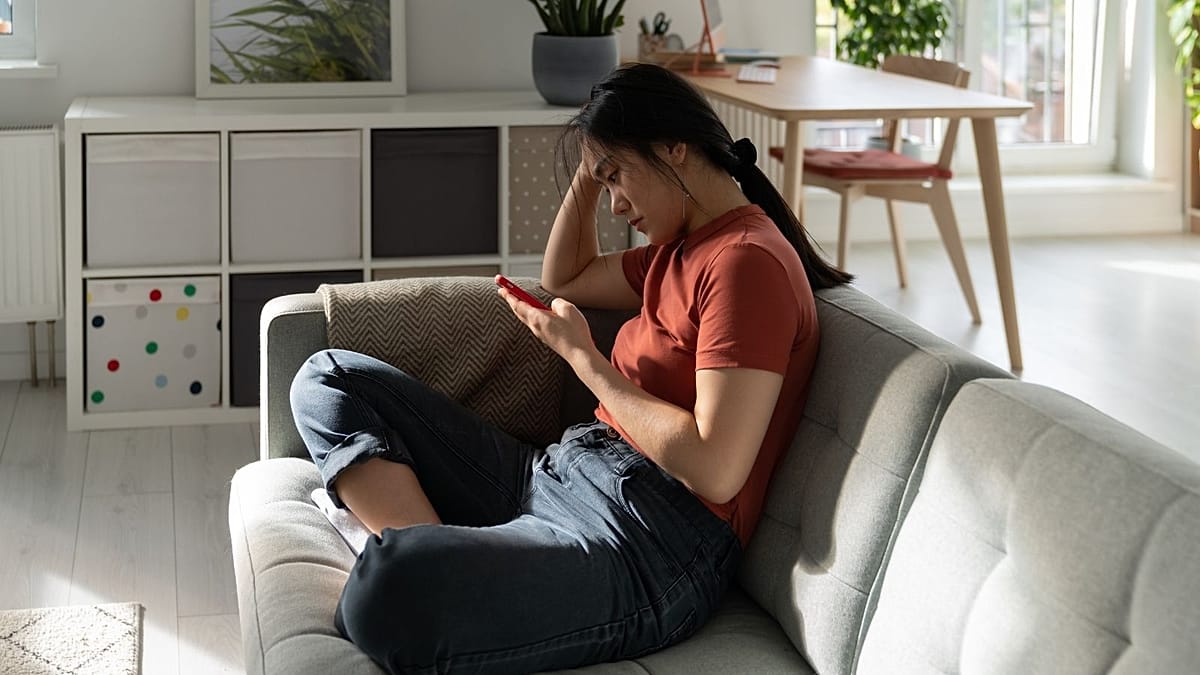
A study published in PLOS Medicine reveals that interrupting long periods of sitting with short bursts of activity can significantly lower the risk of dying from cancer. The research, which analyzed data from thousands of participants, highlights that sedentary behaviour—defined as low-energy activities while sitting, reclining, or lying for at least 30 minutes—is linked to higher cancer mortality, overall cancer incidence, and obesity-related cancers.
For every additional hour of prolonged sedentary behaviour, the risk of cancer death increased by 10%. However, the findings offer a clear prescription: replacing that hour with light physical activity—such as ironing, washing dishes, or walking—reduced the risk by 12%. Cutting sitting time by 30 minutes with moderate exercise like mopping or brisk walking lowered the risk by 8%, while just five minutes of vigorous activity—running or playing basketball—cut it by 22%.
Beyond Total Sitting Time
“Our findings suggest that the health effects of sedentary behaviour may depend not only on total sedentary time, but also on whether that time is accumulated in prolonged bouts or interrupted by activity,” the authors wrote. They noted that previous experimental studies have shown that interrupting prolonged sitting with short activity breaks improves metabolic responses compared with staying seated without a break.
The study challenges current health guidelines that focus heavily on moderate or vigorous exercise. “Light movement shouldn't be ignored,” the authors emphasized, pointing out that even small, frequent breaks can have a measurable impact on cancer risk.
Sedentary behaviour accounts for about 55% of waking time in both children and adults, based on self-reported data. At the 2018 World Health Assembly, countries agreed to a global target of a 15% reduction in physical inactivity by 2030, compared with 2010 levels. Yet the World Health Organization warns that nations are off-track, and if current trends continue, inactivity levels could rise to 35% by 2030.
For European readers, these findings resonate with broader public health challenges. Countries like Germany, France, and the Netherlands have long promoted active lifestyles, but desk jobs and screen time remain pervasive. The study’s practical advice—take a short walk, do household chores, or run up stairs—offers a simple, low-cost intervention that could be integrated into daily routines across the continent.
As researchers call for updated health guidelines, the message is clear: even small movements matter. Whether it’s a stroll during a lunch break or a quick jog, breaking up sitting time could be a key strategy in reducing cancer mortality.