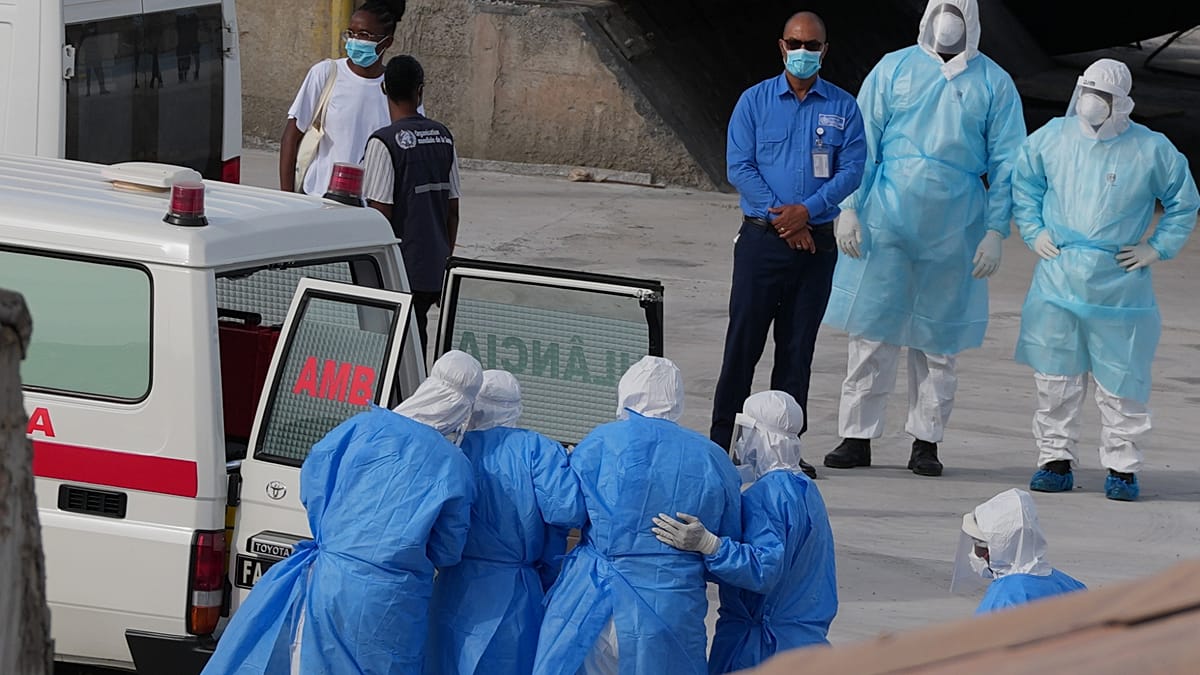
The ongoing Ebola outbreak in the Democratic Republic of Congo has now claimed more lives than any previous outbreak in the country's history. According to government figures released on Monday, the total number of cases has reached 4,945, with 2,325 deaths. In the last 24 hours alone, 101 new infections and 33 deaths were recorded. While over 1,000 people have recovered, 730 remain in hospitals or isolation facilities.
This is Congo's 17th Ebola outbreak, and it has already surpassed the death toll of the 2018-2020 epidemic, which killed 2,299 people. The World Health Organization (WHO) has described the current spread as occurring at an “exceptional pace,” with 579 new cases and 304 deaths reported in the latest weekly figures.
Community engagement remains a critical challenge
Trish Newport, emergency coordinator for Doctors Without Borders (MSF), emphasized that local communities need to be more involved in the response. “People need to know what the signs and symptoms are and what to do if they get sick,” she told The Associated Press. The outbreak is affecting six provinces in eastern Congo, with Ituri among the hardest-hit areas. Some families there have lost as many as 15 relatives, Newport said.
The response is hampered by multiple obstacles, including unpaid health workers who have gone on strike, attacks by rebel groups, poor road infrastructure, and widespread misinformation about Ebola. Most new cases are being detected outside the groups already under surveillance, indicating that the virus is spreading undetected in some communities.
Virus may have circulated for months before declaration
The virus responsible for this outbreak is the rare Bundibugyo strain, for which no approved vaccine or treatment currently exists. Clinical trials are underway in Ituri to test potential countermeasures. Experts believe the virus may have been circulating in the mining town of Mongbwalu as early as February, months before authorities officially declared the outbreak on May 15.
The severity of this outbreak has raised concerns beyond Congo's borders. The WHO has previously warned that the virus could spread to neighbouring countries, including South Sudan, as seen in the spread to a sixth province. The international community, including European health agencies, is closely monitoring the situation, as the risk of cross-border transmission remains high.
Efforts to contain the outbreak are further complicated by the region's instability. Armed groups have attacked health workers and Ebola treatment centres, forcing some to suspend operations. The lack of trust in authorities and foreign aid workers has also hindered contact tracing and safe burial practices, which are crucial to breaking the chain of transmission.
Despite these challenges, health officials are working to improve community engagement. MSF and other organisations are training local health workers and involving community leaders in awareness campaigns. The goal is to ensure that people understand the symptoms of Ebola and know how to seek help early, as delayed treatment increases the risk of death and further spread.
The current outbreak is a stark reminder of the vulnerability of health systems in conflict-affected regions. As the virus continues to spread, the need for a coordinated international response, including support from European nations, becomes ever more urgent. The European Union has already pledged additional funding and expertise to help contain the outbreak, but more resources are needed to prevent a wider catastrophe.
For now, the focus remains on the affected communities in eastern Congo, where the daily toll of the outbreak is measured in lives lost and families shattered. The world watches as health workers battle not only a deadly virus but also the complex realities of a region in turmoil.