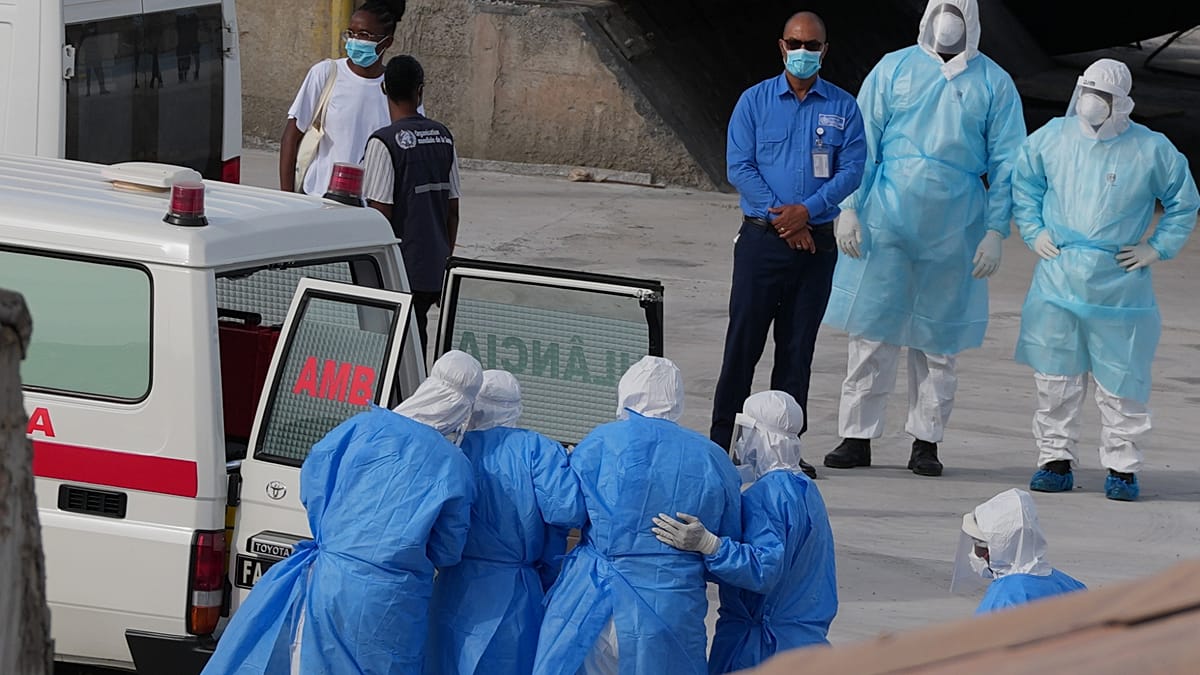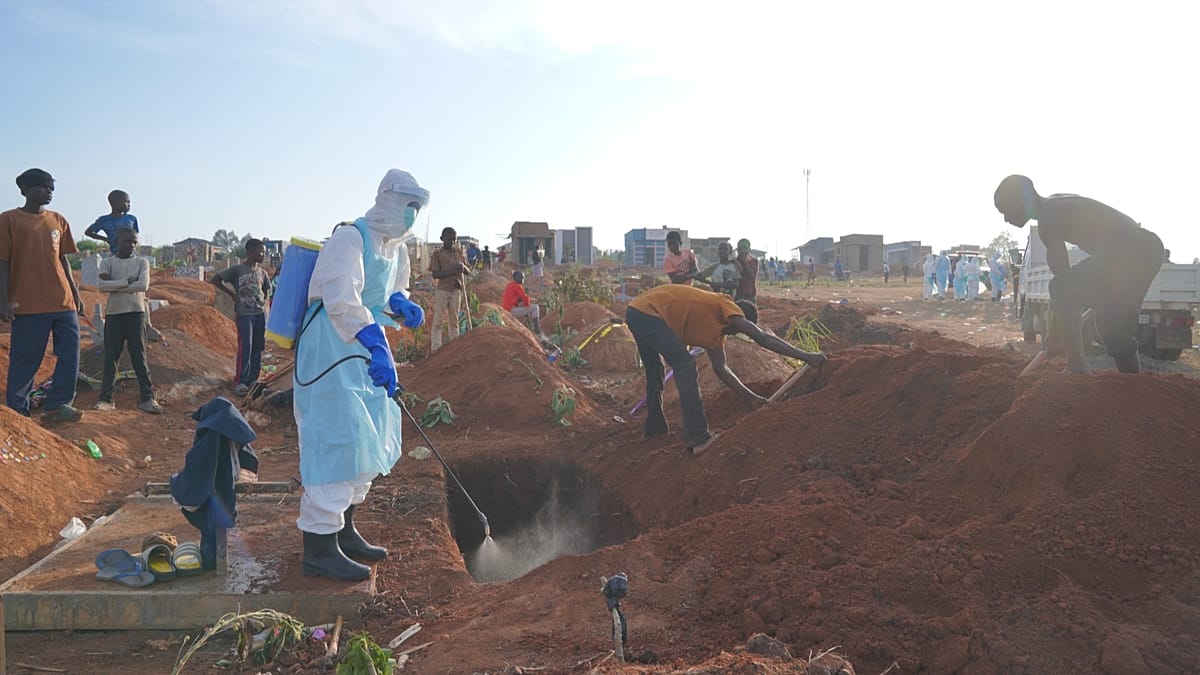
The Ebola outbreak in the Democratic Republic of Congo has now reached a sixth province, intensifying concerns that the virus could cross into South Sudan. The latest fatality occurred in the northern province of Bas-Uele, after the patient travelled from neighbouring Haut-Uele, according to Jean Kaseya, head of the Africa Centres for Disease Control and Prevention (Africa CDC), who briefed reporters on Thursday.
Declared on 15 May, the outbreak began in the conflict-affected northeastern province of Ituri and has already become the largest ever recorded in the DRC. It is the country's 17th Ebola outbreak, and the second deadliest on the continent after the 2014–2016 West African epidemic. So far, authorities have recorded 4,566 confirmed cases and 2,128 deaths, figures that already approach the toll of the DRC's previous record outbreak (2018–2020), which killed nearly 2,300 people out of 3,500 cases.
Unprecedented transmission rates
Africa CDC said the current outbreak is spreading at an unprecedented rate. Three months after it was declared, the number of cases was seven times higher and deaths five times higher than during the first three months of the 2014 West African outbreak, which ultimately killed more than 11,000 people. The agency's warning underscores the challenges facing responders in a region where health infrastructure is fragile and insecurity is rife.
The World Health Organisation, however, expressed cautious optimism on Wednesday, saying it hoped to reverse the spread within three months. But aid agencies on the ground are less sanguine. Mercy Corps warned on Thursday that confirmed cases now sit just 35 kilometres from the South Sudan border, along high-risk travel corridors. The NGO highlighted that the response is hampered by stretched health services, insufficient clean water and safe toilets, fragile community trust, and ongoing insecurity.
Several affected provinces—including North Kivu and South Kivu—are densely populated and have weak government presence, with health facilities largely absent. These areas are also split by front lines between the Congolese army and the Rwanda-backed M23 rebel group, which has seized vast territories. The volatile security situation complicates contact tracing and vaccination efforts, which have been critical in containing previous outbreaks.
Ebola, which spreads through contact with bodily fluids and causes haemorrhagic fever, has killed more than 15,000 people in Africa over the past five decades. The current outbreak's trajectory has drawn comparisons to the 2014 West African crisis, which overwhelmed regional health systems before being contained with international assistance.
For European readers, the situation carries broader implications. The EU has been a major donor to DRC's health sector, and European agencies such as the European Centre for Disease Prevention and Control monitor outbreaks closely. The risk of cross-border spread to South Sudan—a country with limited health infrastructure—could trigger a regional humanitarian crisis that would require significant international mobilisation, including from European partners.
As the outbreak enters its fourth month, the focus remains on scaling up vaccination campaigns, improving community engagement, and securing safe access for health workers. The coming weeks will be critical in determining whether the WHO's three-month target is achievable or whether the virus will continue its march across central Africa.