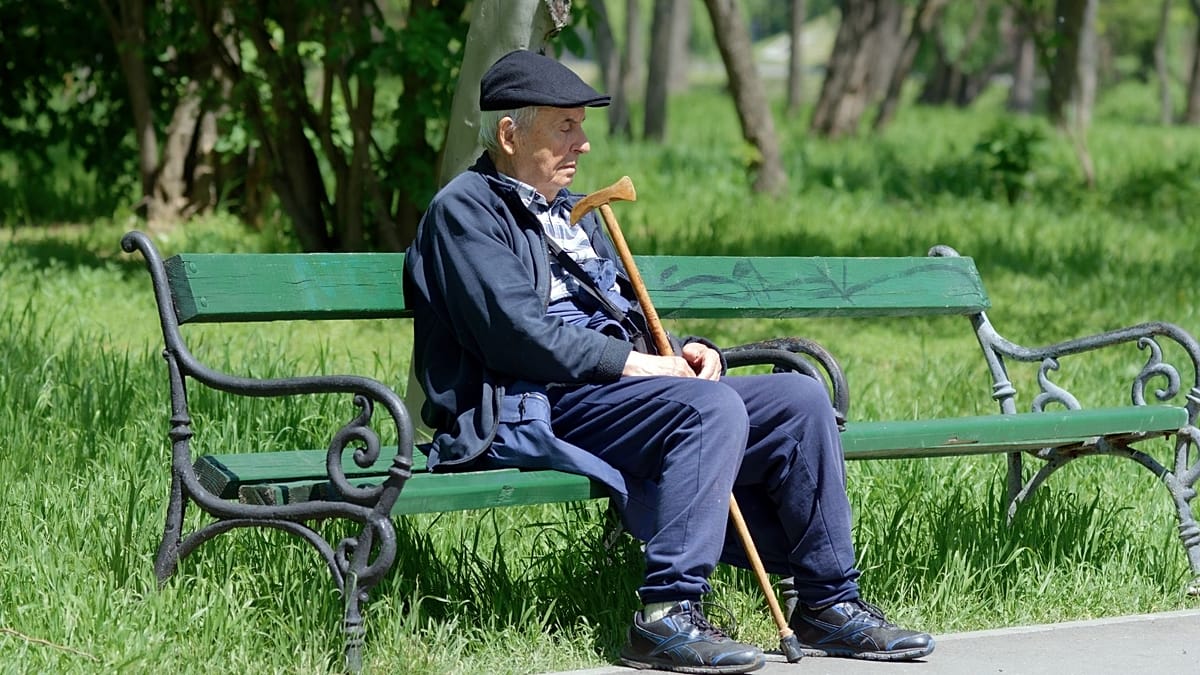
For Ben Melancon, a former athlete in his 70s, the staircase had become an enemy. After more than a dozen falls, the last one requiring nine stitches near his left eye, he admitted: “I was scared to death of those stairs.” His experience is far from unique. Across Europe and the United States, many older adults develop a deep fear of falling—a fear that, paradoxically, makes them more likely to fall.
That fear often leads to avoiding stairs, uneven pavements, or even leaving the house. Reduced activity weakens muscles and undermines balance, creating a vicious cycle. Michelle Easley, a nurse practitioner at Ohio State University’s Fall Prevention Clinic, puts it bluntly: “That fear of falling is actually one of the biggest risks of falling.”
A new national survey of 1,007 US adults, conducted by the Ohio State University Wexner Medical Center, found that 63% do not recognise anxiety about falling as a risk factor. Even more striking, 60% are unaware that hearing loss increases fall risk, and 74% do not know that a sudden urge to use the bathroom can trigger a fall. “The number one risk for a fall is a previous fall,” Easley says. “If more people knew about this, we could intervene earlier.”
Europe’s silent epidemic
The problem is equally pressing on this side of the Atlantic. According to a factsheet from EuroSafe, the European Association for Injury Prevention and Safety Promotion, approximately 35,848 people aged 65 and older die from falls each year in the EU, based on data from 2010 to 2012. Falls are the leading cause of injury-related emergency department visits among older Europeans, accounting for 58% of such attendances.
Almost half of these fall-related emergency visits result in fractures, and about one in five involve head injuries. Beyond the physical toll, falls often trigger anxiety, loss of confidence, and increased dependence on family carers or admission to residential care. The severity rises with age: 32% of fall injuries among those aged 65–74 require hospital admission, climbing to 39% for ages 75–84 and 45% for those 85 and older.
Falls rarely have a single cause. They stem from a combination of physical decline—reduced muscle strength, poor balance, impaired vision or hearing—and environmental hazards. Chronic conditions and multiple medications also play a role. Behavioural factors, such as wearing inadequate footwear or avoiding activity out of fear, compound the risk.
The home is the most dangerous setting: 64% of fall-related injuries occur there, with living rooms and bedrooms accounting for more than half of indoor incidents, followed by bathrooms and stairs. Outside, uneven pavements and poorly maintained public spaces add to the danger.
Prevention works
Evidence from European studies, cited in the EuroSafe factsheet, shows that targeted fall-prevention programmes can reduce injury rates by 20% to 40% among high-risk groups. These programmes combine individual risk assessments, medication reviews, tailored exercise regimes, and improvements to home and public environments.
Melancon attended Ohio State’s Fall Prevention Clinic several times a week for four months, working with a physical therapist to rebuild strength and balance. He also began exercising at home each morning and switched to supportive athletic shoes. He has not fallen since. “I’m not fearful anymore of steps,” he says. “I can go up and down any steps you want.”
Easley advises older adults and their families to check for poor lighting, loose rugs, and difficult stairs. “Rugs are a huge issue, and they need to be removed or secured,” she says. “It’s all about safety, not taking away independence.” She also recommends reviewing medications with a healthcare provider, as some can cause dizziness or balance problems.
Melancon’s message to others who fear falling is one of hope: “You can do this. If you make a commitment and have dedication, you’re going to do it.”
As Europe’s population ages, addressing the fear of falling is not just a medical issue but a public health priority. With the right support, older Europeans can maintain their independence and confidence—one step at a time.