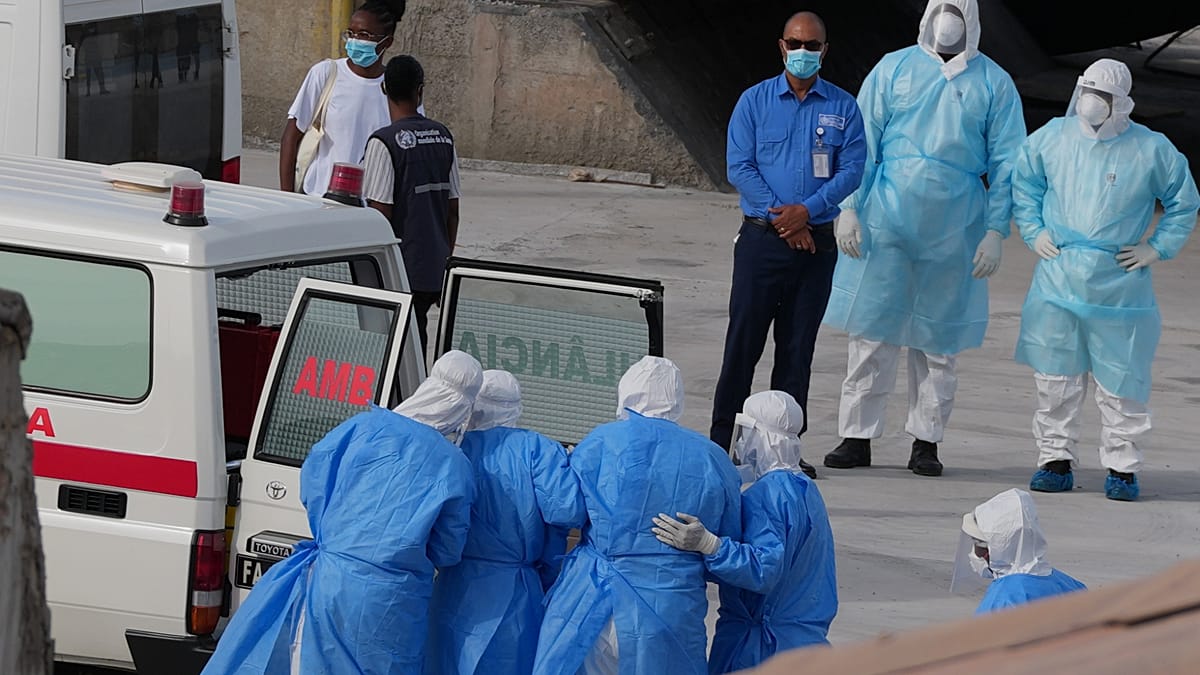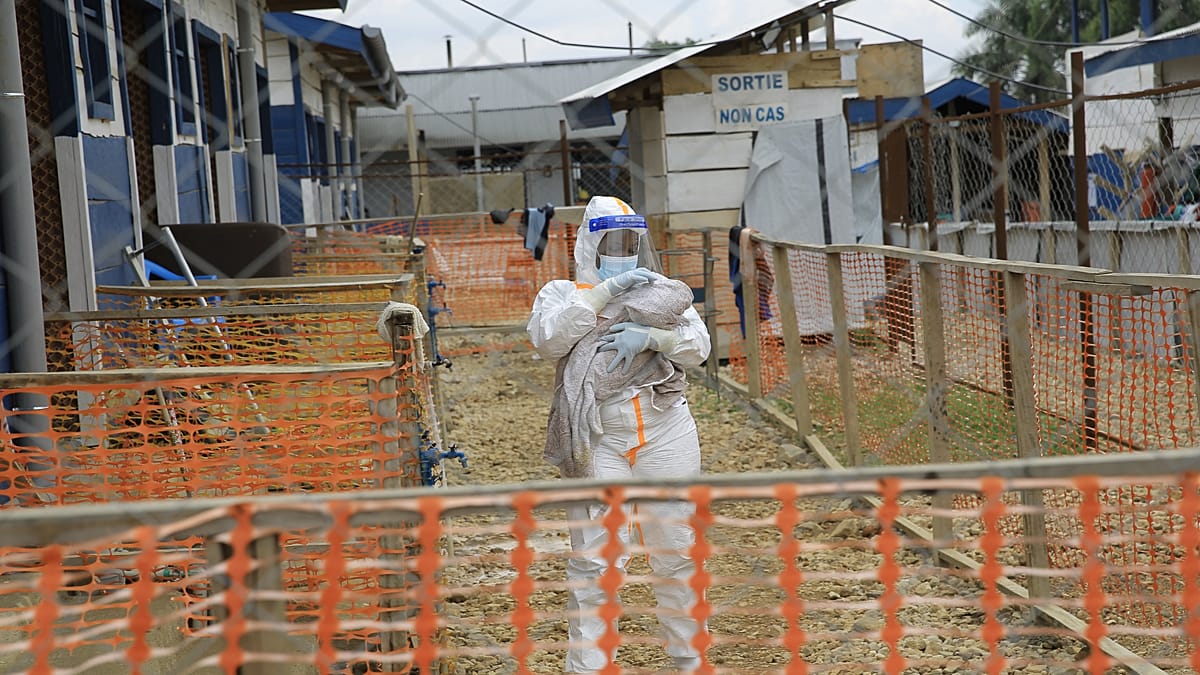
The Democratic Republic of Congo is grappling with its most lethal Ebola outbreak on record, as official figures released on Wednesday show 11,042 cases and 5,387 deaths — nearly half of those infected. The toll marks a grim milestone for a nation that has faced the virus 17 times since its discovery in 1976.
This outbreak, formally declared in May, is also the fastest-spreading in the country's history. It crossed the 1,000 confirmed cases mark within just 40 days of the response being activated. For context, the previous major outbreak in 2018 took roughly 235 days to reach the same threshold.
Conflict and mistrust fuel the crisis
The response has been severely undermined by a combination of armed conflict, a fragile health system, poor infrastructure, and violence from communities that distrust health workers. In the two hardest-hit provinces, Ituri and North Kivu, renewed attacks by armed groups have forced health authorities to plead for a ceasefire so that medical teams can reach the sick without obstruction.
Unpaid salaries and worker strikes have compounded the difficulties, paralyzing key facilities and halting operations at screening checkpoints along transport routes, river ports, municipal borders, and airports, according to the Health Ministry.
Mistrust remains a major obstacle, manifesting in harmful rumors, widespread refusal of health screenings, resistance to safe burials, and declining attendance at health facilities. In some areas, this suspicion has escalated into violence against medical personnel and infrastructure, forcing the closure of several response points, including in Ituri, the epicenter of the outbreak.
No approved vaccine, but trials are underway
The strain responsible for this outbreak, known as the Bundibugyo virus, has no approved vaccine or treatment. However, several clinical trials are now in progress. Last week, the World Health Organization (WHO) endorsed two vaccine candidates: one developed by the University of Oxford in partnership with the Serum Institute of India, and another by Moderna. The trials will be led by Congo's National Institute for Biomedical Research, with support from international partners, including the WHO.
At a press conference on 4 November announcing the trials, WHO Director-General Tedros Adhanom Ghebreyesus emphasized that vaccines are not a silver bullet. “Vaccines are powerful tools, but they're not substitutes for the proven measures that can save lives now,” he said, citing early care, contact tracing, isolation, safe and dignified burials, and trusted engagement with communities.
The current outbreak is the deadliest in Congo's history, but it remains smaller than the West African epidemic of 2014–2016, which infected over 28,000 people and claimed more than 11,000 lives. That outbreak, which spread across Guinea, Liberia, and Sierra Leone, highlighted the global threat posed by Ebola and the need for robust international cooperation.
As the situation in Congo evolves, the WHO has also called for the swift completion of a pandemic treaty to strengthen global preparedness, a message echoed in the wake of recent Ebola and hantavirus outbreaks. The international community's response to this crisis will be closely watched, not only for its immediate impact but also for the lessons it offers for future health emergencies.