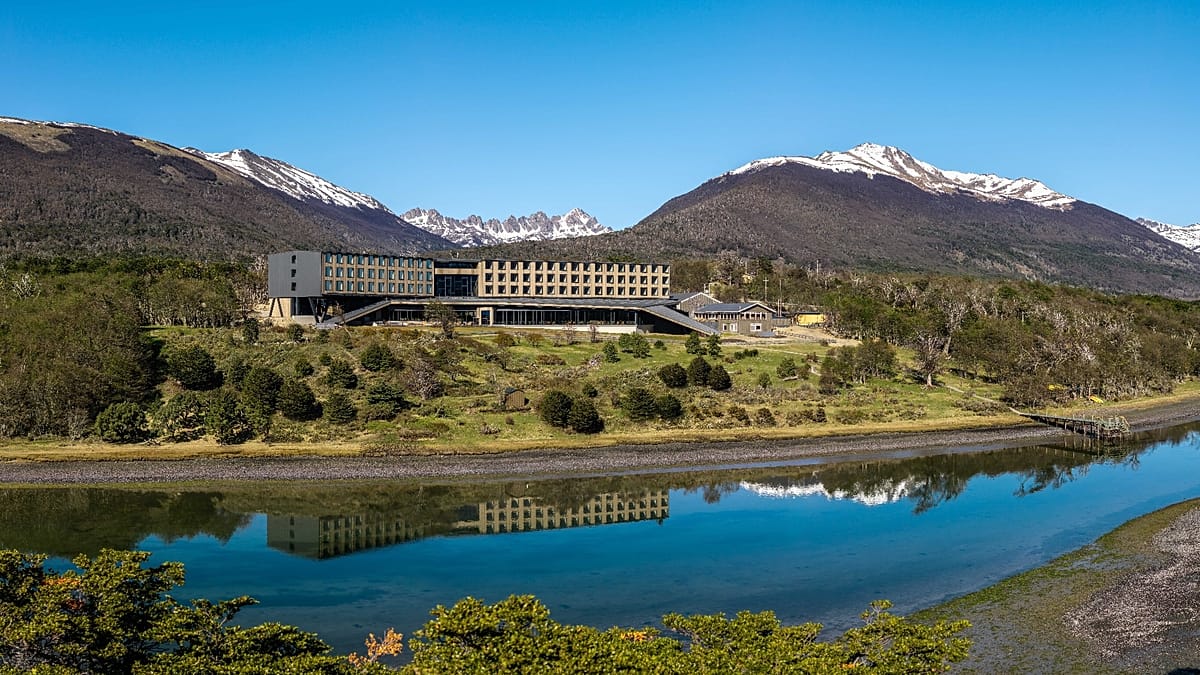
Luxury cruise operators are increasingly expanding beyond the ship itself, adding private islands, beach clubs, and now even hotels to their portfolios. The latest example comes from Silversea, which has officially opened The Cormorant at 55 South in Puerto Williams, Chile—a 150-room property that claims the title of the world's southernmost hotel.
Puerto Williams, located on Navarino Island in the Magallanes region, is recognized as the southernmost city on Earth. The hotel is designed to serve as the new gateway for Silversea's Antarctica Fly Cruise programme. Every passenger on these expeditions will fly on a Silversea-branded charter from Santiago to Puerto Williams, stay at The Cormorant, and then continue to the Antarctic continent. On their return, they will again overnight at the property before flying back.
“We opened The Cormorant at 55 South to make the journey to Antarctica easier and more comfortable for our guests,” said Bert Hernandez, President of Silversea. “Now the expedition begins here, in a hotel designed around Puerto Williams, with the same service our guests expect while on board our ships.”
Built in Argentina, assembled in Chile
The hotel's construction was a logistical feat in itself. All 150 rooms were prefabricated in Mendoza, Argentina, using modular techniques, then transported across the Andes and through Patagonia to the final site in Puerto Williams. This approach minimized the environmental footprint and allowed for a faster build in a remote location.
The interior reflects its surroundings, with three large-scale artworks by Chilean artists on display. Dining options include the Latitude 55 restaurant, which focuses on regional ingredients and Chilean culinary traditions. According to Silversea, the menu starts with “what grows, grazes, and swims in the region.” Bar Sur offers teas and light bites during the day, with a wine list that “tours Chile from north to south.” A lounge called Fireplace features expansive windows overlooking the Patagonian landscape.
Guests staying at The Cormorant can also book outdoor activities, such as kayaking in the Beagle Channel, hiking the shoreline trails of Seno Lauta, or exploring on horseback. Wildlife in the area includes cormorants, dolphin gulls, and upland geese.
The opening comes as luxury travel continues to evolve, with operators seeking to offer seamless, high-end experiences from the moment a guest leaves home. Silversea's move into hotels mirrors a broader trend in the cruise industry, where companies like European hotel rankings are increasingly relevant to discerning travelers.
For European travelers, the new hotel offers a more comfortable and efficient route to Antarctica, cutting down on the long sea crossing from Ushuaia that many expeditions traditionally use. Puerto Williams is also a gateway to the Cape Horn region, adding a cultural and historical dimension to the journey.
Silversea's investment in Puerto Williams is part of a wider push by the cruise line to enhance its expedition offerings. The company has been expanding its fleet and shore-side infrastructure, aiming to attract a growing number of adventure-seeking luxury travelers.
As the tourism industry rebounds, the southernmost hotel is likely to become a sought-after stop for those heading to the last continent. With its modular construction and focus on local culture, The Cormorant at 55 South represents a new model for remote hospitality.