Uzbekistan, a country at the heart of Central Asia, has long been a meeting point of cultures, empires, and trade routes. Its cities, shaped by centuries of Silk Road commerce, still bear the marks of that rich past. For European travellers, the country offers a rare chance to step into a world where history is not just preserved but lived.
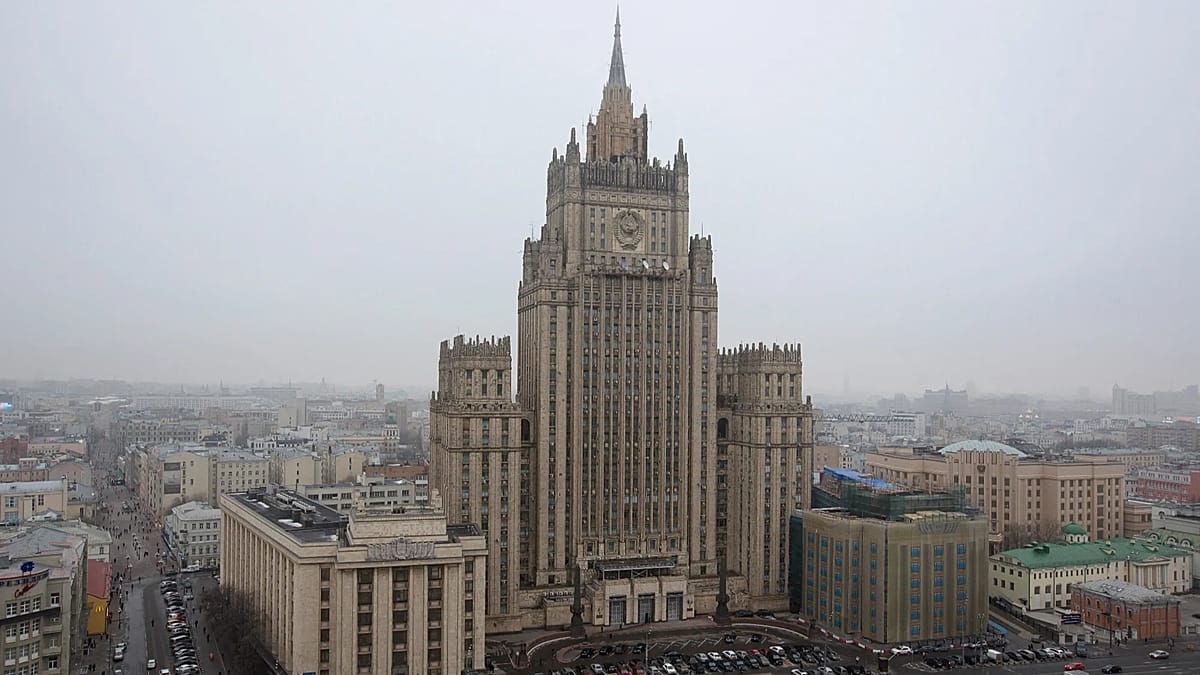
In a recent episode of Grand Voyager, journalist Lilly Douse begins her exploration in Tashkent, the capital. The city, with its wide boulevards and Soviet-era architecture, is also home to the Islamic Civilization Centre, a modern institution dedicated to the region's religious and intellectual heritage. Through its exhibitions, visitors can trace the contributions of Central Asian scholars to science, philosophy, and the arts—a reminder that this region was once a global hub of learning.
But Tashkent's history is also written underground. The Tashkent Metro, one of the most ornate in the world, is a testament to Soviet-era design and craftsmanship. Each station boasts its own theme, with intricate mosaics, chandeliers, and marble columns. For Douse, the metro is more than a transit system; it is a gallery of public art that reflects the city's identity.
Food as a window into culture
No visit to Uzbekistan is complete without understanding its cuisine, and plov—the country's signature rice dish—holds a special place. At the Museum of Plov in Tashkent, Douse learns about the dish's preparation, its regional variations, and its role in hospitality. Plov is more than food; it is a symbol of generosity and community, often cooked in vast quantities for celebrations and gatherings.
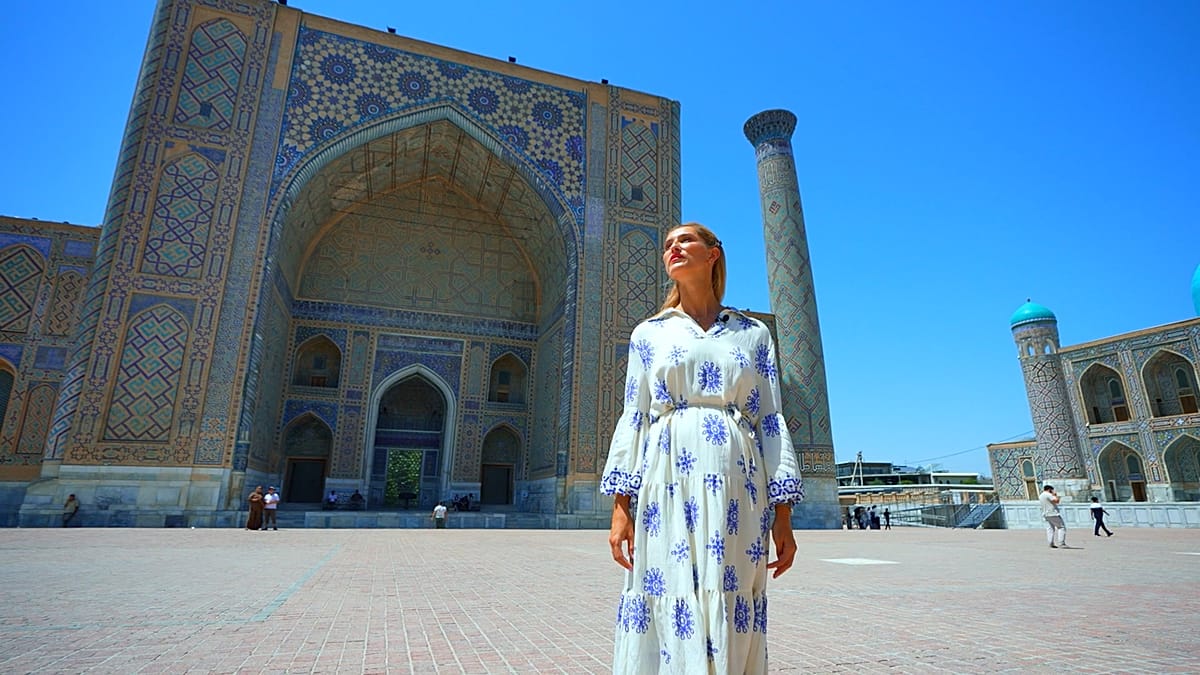
From Tashkent, the journey continues to Samarkand, a city that has fascinated travellers for millennia. At Registan Square, Douse meets Khurshid Narimov of Akasha Travel to admire the three grand madrasahs that frame the square. Their turquoise domes and intricate tilework are among the finest examples of Islamic architecture anywhere in the world. The square, once a public square where caravans would gather, still evokes the grandeur of the Silk Road era.
Nearby, the Shahi-Zinda necropolis offers a quieter but equally profound experience. This avenue of mausoleums, built between the 11th and 19th centuries, is adorned with some of the most exquisite ceramic tiles in Central Asia. Walking through it, one feels the weight of centuries and the devotion of the artisans who created these masterpieces.
Samarkand is also a living city of crafts. Douse visits a traditional papermaking workshop, where artisans use methods that have remained unchanged for centuries. The paper, made from mulberry bark, is prized for its durability and texture—a craft that once made Samarkand famous across the Islamic world.
The journey ends at Siab Bazaar, a bustling market where the colours and aromas of local life converge. Here, Douse samples fresh bread, dried fruits, and spices, and even tries her hand at making non, the traditional Uzbek bread. The bread, stamped with a distinctive pattern and baked in a clay oven, is a staple of every meal and a symbol of hospitality.
Uzbekistan's appeal extends beyond its historical sites. The country is undergoing rapid change, with ambitious projects like the new city of Tashkent taking shape, and a growing focus on modernising agriculture and renewable energy. For European visitors, this blend of ancient and modern makes Uzbekistan a compelling destination, one that offers both a window into the past and a glimpse of the future.
As Douse's journey shows, Uzbekistan is not just a place to see; it is a place to experience. From the glittering metro stations of Tashkent to the timeless squares of Samarkand, the country invites travellers to slow down, look closely, and appreciate the layers of history that have shaped it.