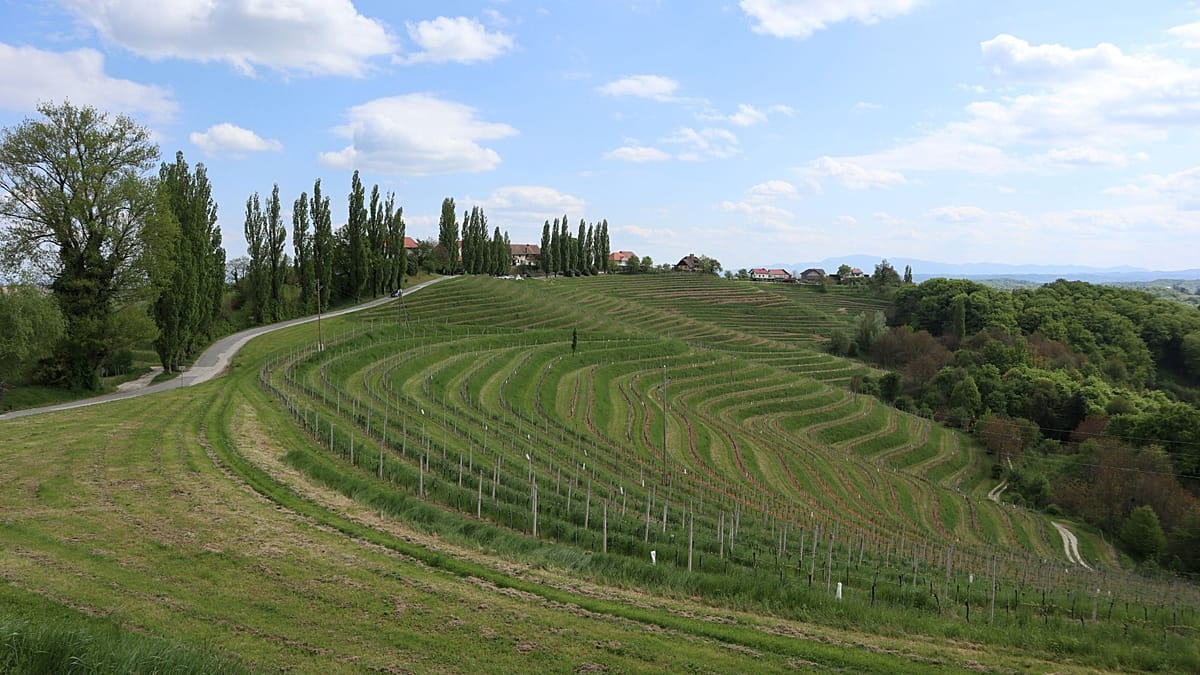
A new ranking of Europe's finest wine regions has placed Slovenia's Štajerska at the top, ahead of celebrated territories in France, Italy, and Spain. The list, compiled by the travel platform European Best Destinations, evaluated more than 90 regions across the continent, and the Slovenian contender came out on top.
Štajerska, which encompasses the towns of Maribor and Ptuj as well as the wine-growing areas of Jeruzalem Slovenija, Haloze, Slovenske gorice, Ravno polje, and Pohorje, was singled out for its "remarkable wine stories" and its ability to offer exactly what modern travellers seek.
"Štajerska represents exactly what today’s travellers in Europe are increasingly looking for: authenticity, exceptional landscapes, centuries of wine culture, outstanding expertise and, above all, a very strong regional identity," said Maximilien Lejeune, director of European Best Destinations. "From the World’s Oldest Vine in Maribor to the historic wine cellars of Ptuj, from wine roads and vineyards to the people who keep these traditions alive, wine here is much more than a product."
The ranking considered a range of criteria, including the diversity of grape varieties and wine styles, the number of cellars and tasting rooms, the beauty of the landscape, sustainability practices, and accessibility for visitors.
Italy and Spain follow close behind
Italy’s Langhe-Roero-Monferrato, known for its Nebbiolo grapes and truffles, took second place, with the judges recommending a visit in autumn. Third went to Ribeira Sacra in Spain, described as "one of Europe’s most dramatic wine landscapes" for its terraced vineyards carved into the canyon walls of the Sil and Miño rivers.
Austria’s Kamptal region, a haven for Riesling and Grüner Veltliner lovers, finished fourth, while Chianti Rufina in Tuscany rounded out the top five, praised as the "quieter, more intimate sibling of Chianti Classico."
France, often seen as the heart of European wine, had to settle for sixth and eighth places with Sancerre and Pouilly-Fumé, and Saumur and Anjou, respectively. Italy’s Etna and Valle d'Aosta also made the top ten, alongside Austria’s Wachau. Portugal’s Alentejo and Greece’s Naoussa completed the top twelve.
The result underscores a broader shift in European wine tourism, as travellers increasingly seek out lesser-known regions with strong local character. Slovenia, which has been gaining attention for its natural beauty and culinary scene, now has another reason to be on the map. The country's growing digital profile has also drawn international interest, but it is the vineyards that are now taking centre stage.
For those planning a wine-focused trip, the ranking offers a useful guide beyond the usual suspects. From the steep slopes of Ribeira Sacra to the historic cellars of Ptuj, Europe’s wine map is richer and more diverse than ever.