After a decade of on-and-off negotiations, the European Union and Indonesia formally signed a comprehensive trade and investment agreement on Saturday. The pact, which still requires ratification on both sides, is set to eliminate tariffs on 98.5% of EU goods entering the Southeast Asian market, a move that Brussels says will save European exporters more than €600 million annually in customs duties.
The European Commission, which negotiated on behalf of the 27 member states, projects that EU exports to Indonesia could rise by almost 40% over the next 15 years. The deal is expected to be particularly beneficial for European manufacturers of machinery and motor vehicles, while also opening new investment opportunities in Indonesia's electric vehicle, electronics, and pharmaceutical sectors.
A strategic bridge to Southeast Asia
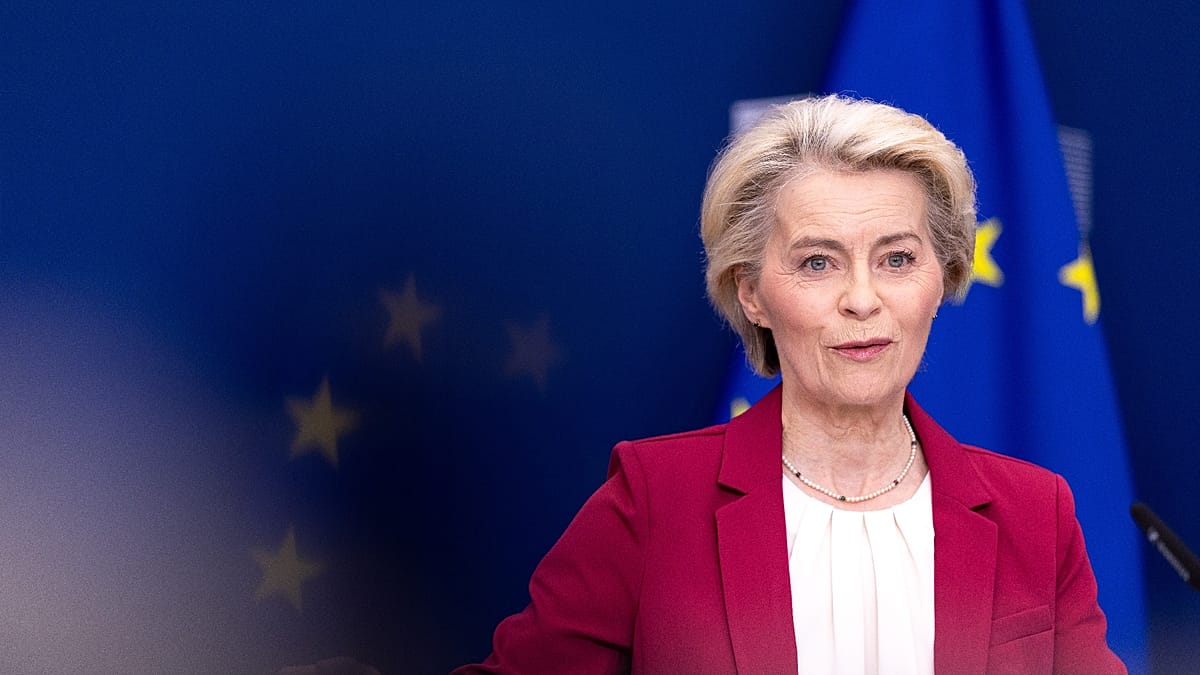
European Commission President Ursula von der Leyen described the signing as a "momentous day" for both partners. "This is one of the most ambitious deals the European Union has concluded in Asia. It connects our Union of 450 million people with the largest economy in Southeast Asia, and the fourth most populous country in the world," she said ahead of the ceremony.
The agreement comes at a time when the EU is seeking to diversify its trade relationships and reduce reliance on China. Indonesia, with its abundant nickel reserves and growing manufacturing base, is a key player in the global supply chain for electric vehicle batteries. The deal could also complement other EU initiatives in the region, such as the carbon credit purchases from Indonesia that Norway has recently pursued.
Trade between the EU and Indonesia was valued at €28.9 billion in 2025, with EU exports worth €10.2 billion and imports worth €18.7 billion. The new agreement aims to rebalance this relationship by making it easier for European companies to sell goods and services in the Indonesian market.
Ratification and next steps
The European Parliament will now need to give its consent to the agreements, while Indonesia will undertake its own ratification procedures. If all goes according to plan, the deal could apply from early next year. However, some EU member states and civil society groups have expressed concerns about labour and environmental standards in Indonesia, particularly in the palm oil and mining sectors. The Commission has insisted that the agreement includes robust sustainability provisions, including commitments to uphold international labour rights and environmental conventions.
For European businesses, the deal is a long-awaited win. "This is a significant step for our exporters, who have faced high tariffs in Indonesia for years," said a spokesperson for BusinessEurope, the continent's main business lobby. "It levels the playing field with competitors from China and other Asian nations."
The signing also sends a signal about the EU's broader trade strategy. With talks on a free trade agreement with the Mercosur bloc still stalled, and negotiations with other Asian partners ongoing, Brussels is keen to show that it can deliver concrete results. The deal with Indonesia is the EU's first bilateral trade agreement with a Southeast Asian country since the pact with Singapore in 2019.
As the world's fourth most populous country, Indonesia offers a growing middle class and a strategic location at the heart of the Indo-Pacific. For the EU, the agreement is not just about trade—it is also about building political and economic ties in a region where China's influence is expanding. The unease in Europe over great-power dynamics has made such partnerships all the more important.
While the deal has been welcomed by many, it is not without its critics. Environmental groups have warned that increased trade could lead to deforestation and other ecological damage in Indonesia. The Commission, however, points to the agreement's dedicated chapter on sustainable development, which includes mechanisms for monitoring and dispute resolution.
For now, the focus shifts to the ratification process. The European Parliament is expected to scrutinise the deal closely, but with strong support from the Commission and member states, it is likely to pass. Once in force, the agreement will mark a milestone in EU-Asia trade relations, offering tangible benefits for businesses and consumers on both sides.